Category: Tanzania Hints and Tips

  • Tanzania Camping Safaris

    Tanzania Camping Safaris

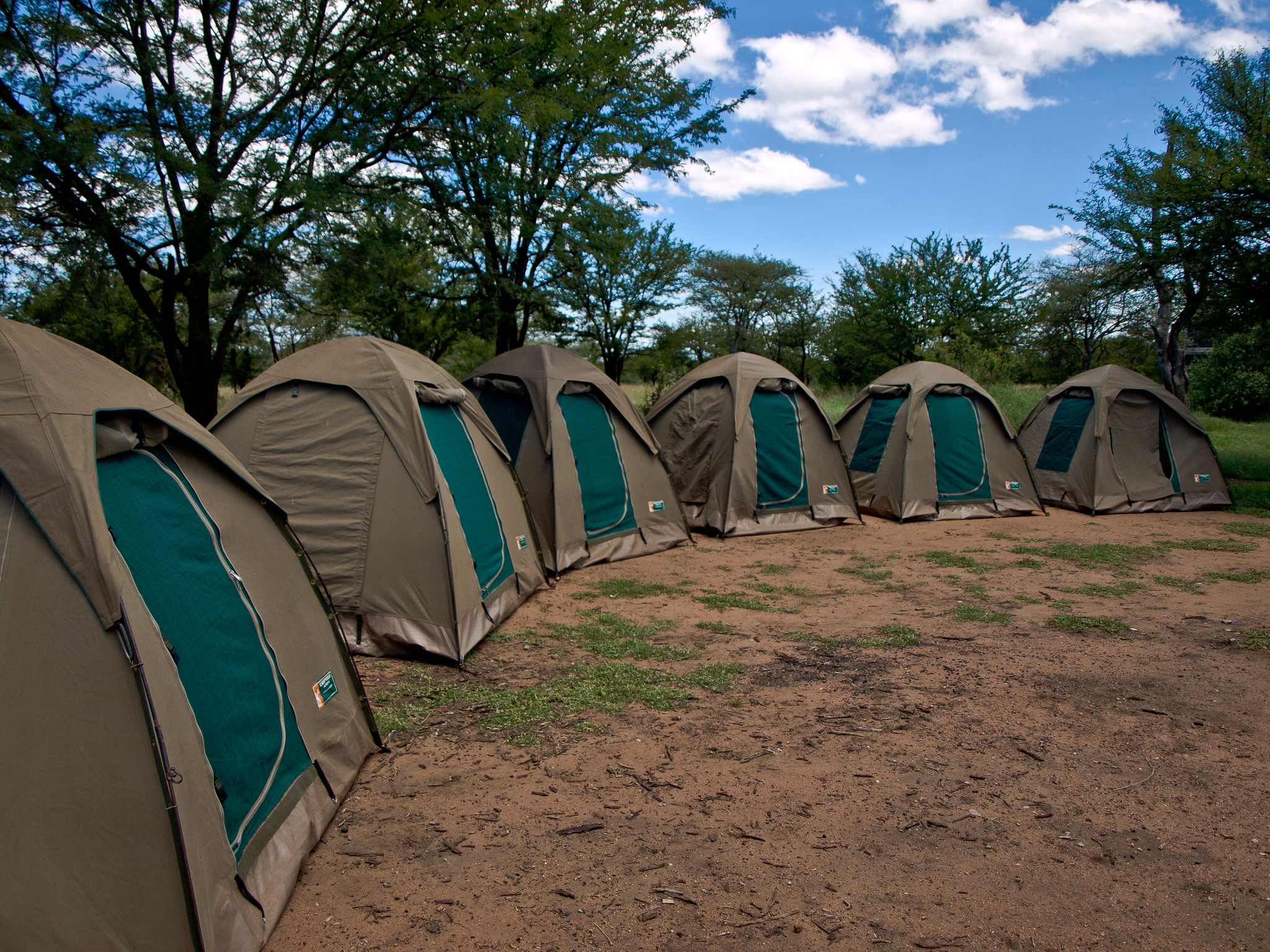
    Camping safaris in Tanzania are safaris for travelers who want to sleep under the stars shining from the African sky while listening to the sounds of wildlife in the wilderness. If you want to experience the Wild Africa in an authentic way, so therefore you should go for Camping safari. Just imagine being around the campfire in the wilderness as you zip one of your favorable Tanzanian beer and sweet morning songs from different species of birds alarming you to wake up thus getting ready for a new another day adventure. This trip will make you experience firsthand the magic African land, peoples’ norms and culture. Last but not least, camping safaris are a rewarding experience since you feel like you are roughing it and participating in a real African adventure.

    Camping Safari Logistic and Organization

    During camping safari, hot African meals including breakfast, lunch and dinner are served on a dining table with chairs and will be prepared by a private chef who will be also responsible to collaborate with safari guide for pitching your tents and do cleaning, so no need for you to have stress about what to eat, where to sleep and so on, everything will be taken care of. All camping gears will be provided except sleeping bags which we mostly recommend guest to bring it. Otherwise, you can rent upon arrive at reasonable and affordable extra cost. On the other hand, during camping safari visitors used to sleep at the public campsites that offers basic washroom facilities including shared toilets and shower of reasonable hygienic standard and this can be another factor differentiating camping safari from lodges/hotels safari packages where rooms are self-contained.

    Sample itineraries for camping safari in Tanzania

    There is no big difference between camping safari and lodge safari packages or luxury safari packages, the only different is the place of overnight as camping safari involves the sleep at campsite in mobile tents and lodge safari packages or luxury safari packages customer used to overnight in lodges or hotels. Other things remain the same including destinations to be visited, type of jeep used and others. Below I describe some sample itineraries for camping safari in Tanzania.

    6 days/5 nights touching Tarangire, Serengeti and Ngorongoro.

    DAY 1: ARRIVAL

    Program: Pick up customers at Kilimanjaro airport and transfer to Karatu.

    Activities: If you have time you can stop in the local markets on the way or you can relax at the lodge.

    Accommodation: Dinner and overnight at Campsite.

    DAY 2: TARANGIRE NATIONAL PARK

    Program: After breakfast we drive to Tarangire Park for the game drive with pic-nic lunch.

    Activities: game drive.

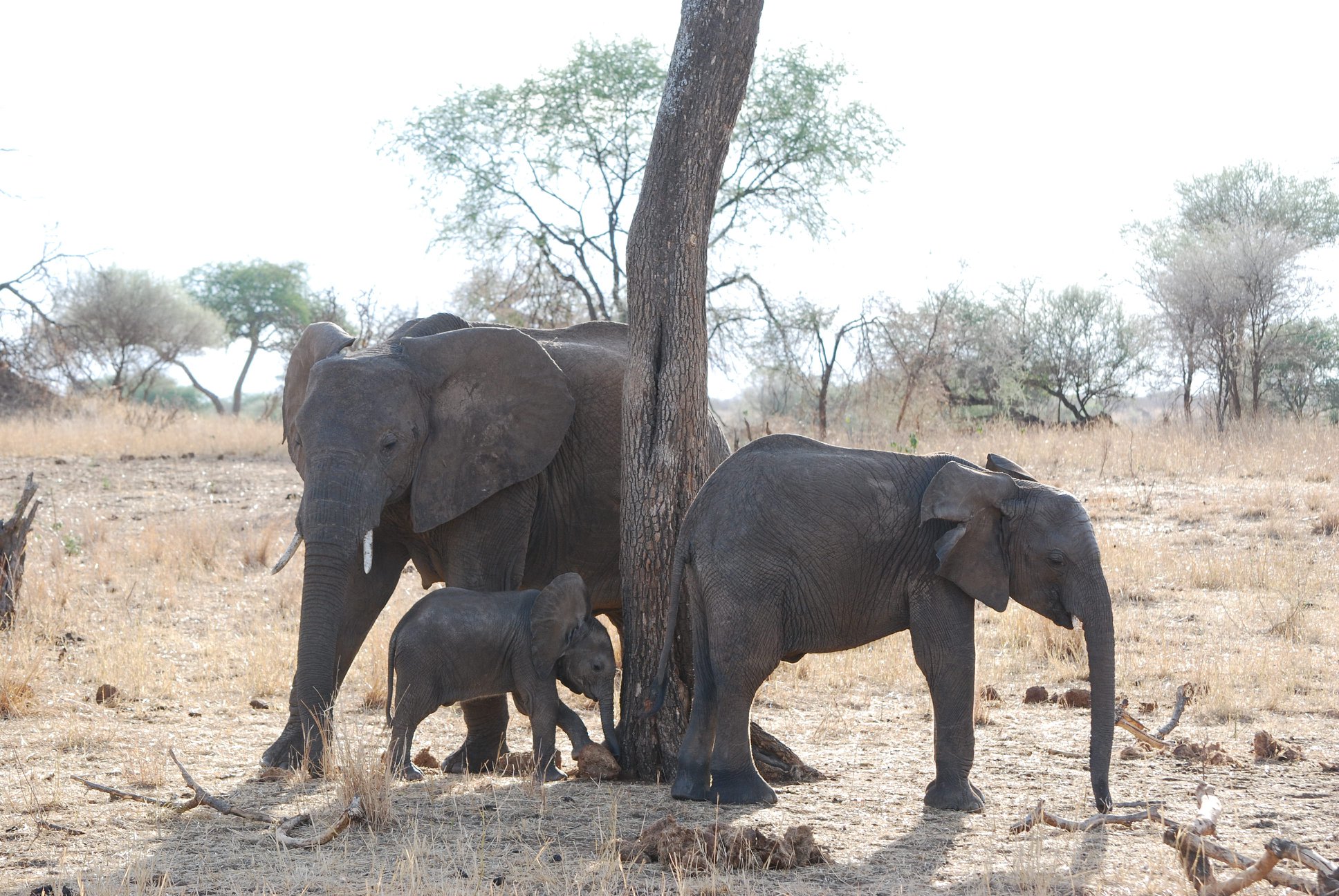
    Tarangire is the river crossing Tarangire National Park, the park is famous for big herds of elephants, the huge baobab trees and the high number of predators. There is a lot to see and explore here.

    Accommodation: Dinner and overnight at Campsite.

    DAY 3 and 4: SERENGETI NATIONAL PARK

    Program: After breakfast we drive to Ngorongoro Conservation Area. We proceed crossing Ngorongoro Highlands until Serengeti gate, here we start the game drive for next 2 days or so.

    Activities: game drive.

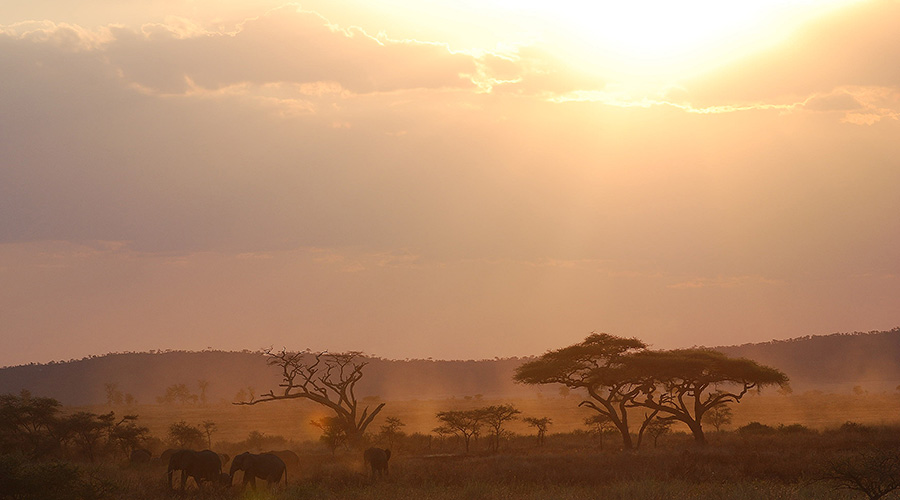
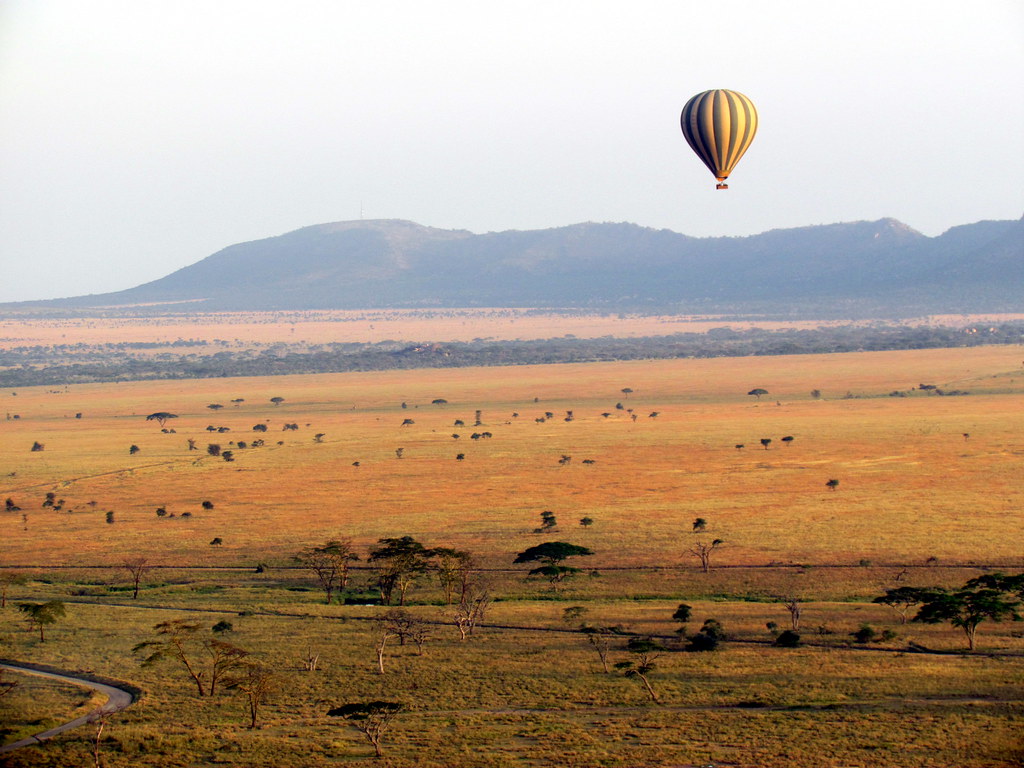
    Serengeti Park is the most famous park of all Africa, more than 15,000 squared kilometers of savannah full of lions, leopards, cheetahs, giraffes, elephants and many other wild animals.

    Accommodation: Dinner and overnight at Campsite.

    DAY 5: NGORONGORO CRATER

    Program: After breakfast we drive to Ngorongoro Conservation Area, today we descend into Ngorongoro crater for game drive with pic-nic lunch.

    Activities: game drive.

    The Ngorongoro Crater is a must-see while on safari in Tanzania for its high density of wild animals. The Ngorongoro Conservation Area is a conservation project where the Maasai and their livestock live together with wild animals.

    Accommodation: Dinner and overnight at Campsite.

    DAY 6: DEPARTURE

    Program: After breakfast relax at the lodge or shopping if you have time, then transfer to Arusha or Kilimanjaro airport.
    5 days/4 nights visiting Tarangire, Manyara and Ngorongoro

    DAY 1: ARRIVAL

    Program: Pick up customers at Kilimanjaro airport and transfer to Karatu.

    Activities: If you have time you can stop in the local markets on the way or you can relax at the lodge.

    Accommodation: Dinner and overnight at Campsite.

    DAY 2: TARANGIRE NATIONAL PARK

    Program: After breakfast we drive to Tarangire Park for the game drive with pic-nic lunch.

    Activities: game drive.

    Tarangire is the river crossing Tarangire National Park, the park is famous for big herds of elephants, the huge baobab trees and the high number of predators. There is a lot to see and explore here.

    Accommodation: Dinner and overnight at Campsite.

    DAY 3: MANYARA NATIONAL PARK

    Program: After breakfast we proceed to Lake Manyara National Park for game drive with pic-nic lunch.

    Activities: game drive.

    Lake Manyara National Park is famous for biodiversity, the park includes different environments: the lake, the forest and the plain. Rich in primates, birds and big mammals.

    Accommodation: Dinner and overnight at Campsite.

    DAY 4: NGORONGORO CRATER

    Program: After breakfast we drive to Ngorongoro Conservation Area, today we descend into Ngorongoro crater for game drive with pic-nic lunch.

    Activities: game drive.

    The Ngorongoro Conservation Area is a conservation project. The Maasai and their livestock are living together with wild animals.

    Accommodation: Dinner and overnight at Campsite.

    DAY 5: DEPARTURE

    Program: After breakfast relax at the lodge or shopping if you have time, then transfer to Arusha or Kilimanjaro airport.
    All in all, for an unforgettable Camping holiday and experience in Tanzania in such way you end up saying ‘’Wow’’, ‘’Wonderful’’, Amazing, let Savannah Explorers be your choice!

    Contact Savannah Explorers and Book Your Safari in Tanzania >>

  • The Best African Safari Tours

    The Best African Safari Tours

    Adventure Holidays in Africa

    Africa is definetely the best destination for adventure holidays in the wild nature. Tanzania and Kenya are the best safari destination where you can also combine safari and relaxing beach holidays, Uganda and Rwanda worth the trip only for the amazing gorilla trekking, Madagascar is the best destination if you like walking in the nature. At Savannah Explorers, we are true professionals when it comes to Tanzania and Africa Safaris, Mountains Trekking and Beach Holiday. Our team of consultants has long experience in Africa destination and most of the still live in Africa.

    Visit Africa with Savannah Explorers

    We will take you wherever you want and we can personalize your safari program. You can see the Great Migration in Kenya and Tanzania, the famous Ngorongoro crater, hike to Mount Kilimanjaro summit, experience gorilla and chimpanzees trekking in Uganda and Rwanda, trekking and tours in Madagascar, beach holidays in Zanzibar, Mafia, Pemba, Watamu, Malindi, Lamu, Madagascar and Seychelles.

    We can organize safaris in the less visited National Parks, like Southern Circuit in Tanzania covering Selous Game Reserve, Mikumi National Park, Udzungwa Mountains National Park and Ruaha National Park.
    Last but not least, still we can introduce you to Western Circuit in Tanzania comprising of Mahale Mountains National Park, Katavi National Park and Gombe Stream National Park.

    After safari it is better you relax on the beach for some days to cool your body, there are many excursions and activities during your holiday in Zanzibar or other beach destinations. Besides the classic beach holidays, we offer some safaris in Zanzibar where you can explore the island, experience the traditions and the local culture combined with some relaxation days.

    Travel Safe with Savannah Explorers

    We are known for our good quality services which include unlimited mileage, professional guide, 4×4 jeep with fridge, radio call and early morning game drives whenever is possible. You also travel safe as we include AMREF Flying Doctors in our safari packages whenever it’s possible.

    We are recommended by TravelMag and SafariBookings, you can find many excellent reviews about us on SafariBookings and TripAdvisor.

    Tailor-made safari programs

    Our experienced and professional team can assist you planning your tailor-made safari to Africa and guide you to the best Africa destinations. You can contact us visiting our website or sending us a mail in**@***************rs.com

    Contact Savannah Explorers and Book Your Safari in Tanzania >>

  • The most beautiful islands in Tanzania

    The most beautiful islands in Tanzania

    Tanzania with the Zanzibar’s archipelago and its 800 kilometres of coastline overlooked on the Indian Ocean, is a dreamy destination for those who are looking for heavenly beaches and untainted sea. White sand, marine reserves, amazing sunsets, luxuriant nature, dhows that slowly slide on the water, history, folklore, relax and this isn’t over.
    “Zanzibar is a big and noble island”, wrote Marco Polo, but what we call Zanzibar is a constellation of 75 dreamy islands, as the biggest one, Unguja that has the city of Zanzibar as its capital. Then, there are Pemba and Mafia, rough diamonds of the Indian Ocean.

    Unguja

    Unguja, favourite destination for honeymoons or an original New Year’s Eve, has infinite beaches and a green hinterland full of history, legends and smells. Also here there are safari, but this time they are blue, for a dive among the dolphins, tropical fishes and coral reefs. And this is not over.
    Relax on white beaches or leave to the discovery of the hinterland, let the spices markets smells or a swim in the fabulous Menai Bay’s crystal clear waters inebriate you. Explore the virgin forest and the mangroves or walk with no destination through the full of life small streets of Stone Town.

    Mafia

    Mafia is a wild island that lives of land and fishing, for this reason it is not well known by the tourists. Thanks to Mafia Island Marine Park, the sea bottoms are remarkably preserved and they offer unique snorkelling and diving experiences. Here you will observe easily the whale shark, admire the coral reefs and swim among more than 400 different species of tropical fishes, turtles and dugongs. The mainland is full of palm trees, baobab, forests and mangroves, protected habitat of a very rich fauna.

    Pemba

    Pemba, green pearl of the Indian Ocean, combines the crystalline sea with the lush nature of the hinterland. A marine park and a forest reserve safeguard an amazing biodiversity still far from the mass tourism. Pemba’s sea is transparent until 50 meters of depth and it offers the most beautiful diving points in the world. In the forest there are very interesting endemic species and an incredible variety of settled and passenger birds. In Pemba you can explore a pristine nature without giving up on a luxurious hospitality in a five-star resort with a view on the sea bottoms.

    Pangani

    Even the coastline boasts some magic site for a different tourism. Just 50 km from Tanga, Pangani is waiting for you: white sand, desert beaches, welcoming resorts and assured relax. Discover the Maziwe Island Marine Park’s bottoms aboard a dhow or walk the city streets to discover its ancient history and the obsolete charm of colonial buildings. To conquer this piece of heaven still reserved to a few connoisseurs, you have only to book a private flight departing from Dar Es Salaam or Arusha.

  • Tanzanian Flag

    Tanzanian Flag

    Tanzania, or rather, the United Republic of Tanzania, was founded in 1964 from the union of the recently independent Tanganika with the Republic of Zanzibar.
    As the name Tanzania comes from the merging of Tanganika and Zanzibar, so in the new flag, adopted on 30 June 1964, are present the flag of Tanganika, a black stripe with yellow borders on a green bottom, and the horizontal blue, black and green tricolour of Zanzibar.

    flag tanganica

    Tanzanian flag has a rectangular form with a 2:3 ratio and it is divided in two triangle from a diagonal stripe that starts from the lower left corner (the shaft side) and goes to the upper right one. The diagonal provision breaks with the horizontal whole of the two previous flags and it wants to explain the equality of the founding states of the new nation.

    tanzania flag today

    The upper triangle is green, the lower one is blue, the stripe is black with yellow borders. The colours symbolism is very strong: green stands for the vegetation and the agricultural resources of the Country, blue represents the rivers, the Great Lakes and the Indian Ocean, yellow, that is sometimes described as gold, evokes the mineral resources of Tanzania, while black symbolizes the population.

    Equipped with an administrative semi-independence status, a president, a parliament, a government, and a constitution, Zanzibar runs independently its internal affairs. In this context and with the pressure of independent movements, Zanzibar decides in 2005 to adopt its own flag.

    bandiera-zanzibar

    The blue, black and green tricolour is finally reinstated with a new insert of the United Republic of Tanzania’s flag. But the sovereignty of the Union is not called into and the Tanzanian flag is the only one able to wave lawfully in the international requests.

    The national flag and its colours come back also to the Country’s emblem where a man and a woman, symbols of equality and cooperation, are represented on the sides of a warrior’s shield.

    zanzibar

    Each of them hold an elephant tusk and, at their feet, a cloves and a cotton plants grow, that are emblematic Tanzanian cultivations. The shield is divided in four stripes: in the coloured gold upper one, that is referred to the mineral riches of the Country, a flame, symbol of freedom, illumination and knowledge is represented; the second stripe corresponds to the flag; in the third, red, are designed an axe and a hoe, symbols of the fertility of ground and work; finally, the white and blue lower one symbolizes the ground, the coasts and the waters of the Great Lakes and the Indian Ocean. The lance that raises from the bottom up of the shield represents the freedom defence. Under there is the representation of Kilimanjaro and the nation motto: Uhuru na Umoja, “Freedom and Unity”.

  • The most important Tanzanian attractions

    The most important Tanzanian attractions

    Tanzania is an incredible and beautiful land for its untainted nature, the free wildlife, the majestic Kilimanjaro that overlooks unflappable the savannah, and the Zanzibar’s archipelago in the crystal clear waters of the Indian Ocean.

    The Main National Parks

    Tanzanian Parks are among the best-known in the world for their wildlife variety and the beauty of landscapes. In many of these parks is relatively easy to sight the famous “Big Five” (lion, African elephant, leopard, buffalo and rhinoceros), the most feared and wanted species in the time of the big hunting trips, and those that, still today, excite the safari lovers.

    The Ngorongoro Crater

    In the Ngorongoro Conservation Area, 180 km from Arusha, the Ngorongoro Crater is inhabited by an amazing quantity and variety of animal species (more than 25.000 mammals). Around the waters you could see from the Big Five to the giraffes, from the zebras to the hippopotamus, by way of a huge variety of birds, including one of the most important African colonies of flamingos. While in national parks, the human settlements are not allowed, in the Ngorongoro Conservation Area, the Maasai and their livestock can cohabit freely with the wild animals.
    The park is particularly popular during the dry season, from July to October, when the vegetation is less dense and the animals gather together around the waters.

    For more information:

    The Seregenti National Park

    On the border between Tanzania and Kenya, the Seregenti Park (endless plain, in Maasai language) covers about 14.000 square kilometres of savannah and it is part of the World Heritage Site. An infinitive space with a unique fauna and flora. The central area is inhabited mostly by settled animals, but one of the most impressive spectacles that you could see here, are the big summer migrations (from July to October) and winter migrations (from January to February) between Seregenti and Ngorongoro.

    For more information:

    The Tarangire National Park

    This is one of the most beautiful and evocative Tanzanian parks and it takes its name from the river that crosses it. Famous for its herds of elephants and the majestic baobab, you could explore it participating to photo-safari, safari in hot air balloon, nocturnal game drive or on foot accompanied by expert Maasai guides. During the dry season (from June to November) many animals are concentrated on the areas near the river, but during the moist months (from November to May) you could admire charming landscapes and a lush nature.

    For more information:

    The Great Migrations (in winter and in summer)

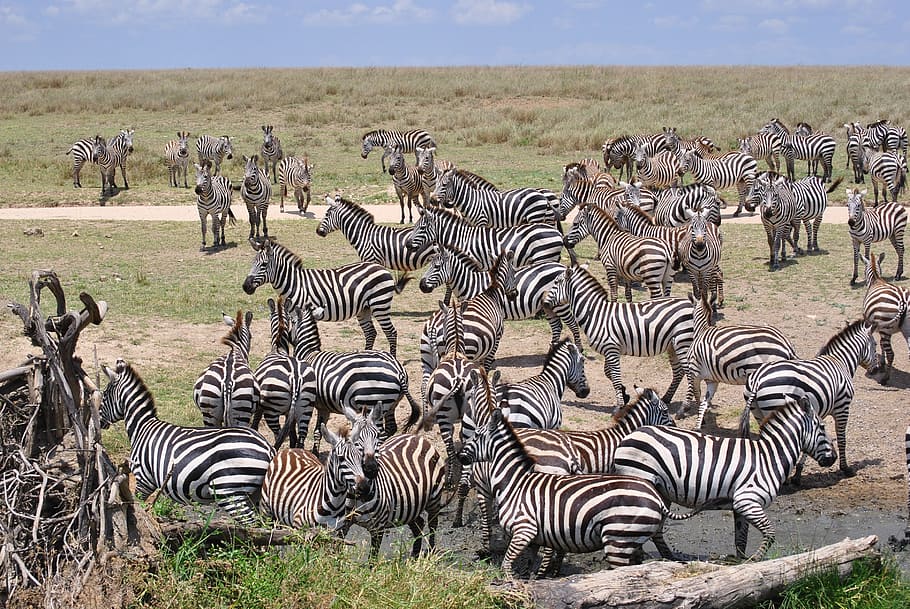
    The Great Migration in the Serengeti and Ngorongoro’s parks is absolutely impressive. The herds of herbivores, wildebeests and zebras, followed by the predators move looking for a more favorable weather in a long and dangerous trip. The period from December to April matches the winter migration that will lead the animals to south, in Lake Ndutu area. The summer migration takes place between July and October when the animals leave again to the north to cross the Mara river close to the border with Kenya. Attending the perilous ford of the Mara river, the famous River Crossing, is a unique and incredible experience.

    For more information:

    The Main Lakes

    Tanzania is a lush and evocative land, able to offer, in addition to the Zanzibar’s sea, the savannah with its animals and its different and interesting lakes. Here we want to present you some of them.

    Lake Manyara

    Lake Manyara is one of the northern Tanzanian lakes and it is located in the namesake national park. This alkaline water lake attracts a lot of animals during the dry season and a great variety of birds, including pink flamingos, during the moist season. Therefore, it is a suggestive destination at any time of the year for photo-safari, walking safari and nocturnal safari.

    For more information:

    Lake Natron

    Lake natron, the most important reproduction site of pink flamingos in the world, it is an about 600 meters of altitude saline lake in Northern Tanzania. The concentration of millions of flamingos between June and October is an incredible spectacle. During the dry season, for the extreme salinity that helps the proliferation of the cyan bacteria, waters assume a surprising red colour.
    Ol Doinyo Lengai volcano overlooks the lake and it’s the sacre mountain for Maasai people.

    For more information:

    Lake Eyasi

    In the Lake Eyasi region, near Ngorongoro Conservation Area, the local culture will seduce you. Here there are the last Hadzabe fmilies, the only Bushmen tribe of the Eastern Africa, and the iron workers, Datoga, who produce arrowheads, bracelets and other ornaments. The Hadzabe are a nomad population, they use bow and arrow and in their language they have a characteristic repertoire of cracks and whistles suited to the hunting of wild animals.

    For more information:

    Arusha’s city

    Starting point for the safari in the Northern parks, Arusha is a city with more than four hundred thousand inhabitants and it is one of the most dynamic centre of Tanzania. In a very fertile agricultural region that produces cereals, coffee, fruits, vegetables and flowers, the city has a lot of shops and markets as the colourful Maasai market, where you can find local wooden crafts, masks, but also livestock, food and remedies of traditional medicine.
    A million of foreign tourists visit Arusha every year, this city offers a lively nightlife thanks to the various bars and restaurants and it proposes different cultural events. Placed on Mount Meru at 1400 meters above sea level, the city is pleasant in all seasons because it has a temperature that never oversteps 30 degrees.
    It is effectively connected to the other important Tanzanian centres by land and air, Arusha is only five-hour drive from Nairobi.

    For more information:

    Mount Kilimanjaro

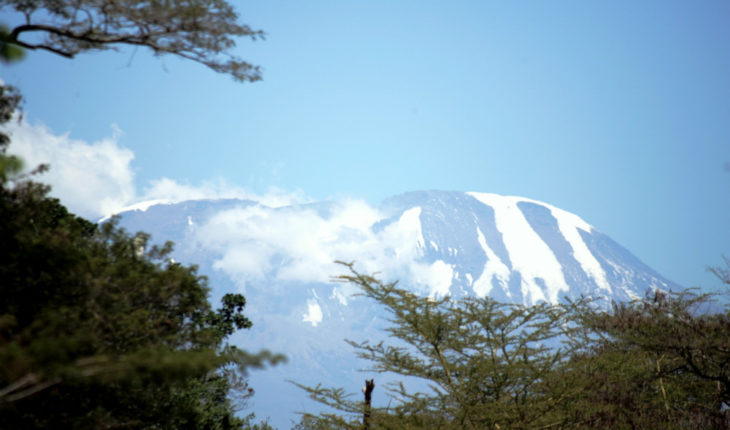
    The Mount Kilimanjaro with its 5895 meters of height is the tallest African mountain and it stands majestic and lonely on the savannah.
    The Kilimanjaro’s ascension is demanding but available to the lovers of trekking in good physical conditions. There are no technically difficult steps but it is essential getting used with caution to the climatic variations and to the high altitude. In an impressive sequence of ecosystems and temperatures, the ascension starts from the slopes tropical climate and arrives to the summit arctic climate, by way of the mountain forest and the alpine desert.
    To climb you can choose among different itineraries: Marangu Route, very popular and equipped with shelters for overnight, the evocative Machame Route for the most adventurous spirits, the less known but equally spectacular Lemosho Route and the Rongai Route that permits to go up and down from the opposite versants.

    For more information:

    Zanzibar’s Archipelago

    Zanzibar is the blue pearl of Tanzania. Among the seventy islands counted by the archipelago, the most important are Unguja, Mafia, Pemba and Fanjove, authentic paradises of unspoiled nature, protected fauna, white beaches and relax. Here there are the most awesome snorkeling and diving spots of the world, wonderful marine reserve, lush forests and preserved mangroves. You will live the unique contact with nature and the magic offered by the Tanzanian breath-taking landscapes, without renouncing the luxury of seaside resorts, smells of spices and “Safari Blue”.

    For more information:

    The Main Excursions to Zanzibar

    Zanzibar has beautiful sites for amazing experiences to live in short but intense excursions.
    You could embark on a dhow to the discovery of dreamy beaches in the company of the Menai Bay’s dolphins in the Safari Blue excursion. Or you could choose to visit the ancient prisons of the slave trade at Prison Island, the island inhabited by the Seychelles’ giant turtles and surrounded by a crystal clear sea ideal for snorkeling.

    Don’t miss to dedicate a few hours to the discovery of Stone Town, an ancient and particular city with its maze of streets, the lime painted houses, the spices market and some monuments of historical and cultural interest.
    In the Spice Tour you will start to the discovery of the Unguja island’s hinterland, its wood sculptors and the traditional spices cultivation. This excursion can be combined with a suggestive walk in the virgin forest of Jozani among majestic trees and amazing endemic animal species.
    For memorable snorkeling and diving experiences, choose the excursion in Kizimkazi or to the Mnemba’s Atoll, marine park for the protection of corals, different tropical fish species, turtles and dolphins.

    For more information:

  • The most important Tanzanian airports

    The most important Tanzanian airports

    Although there are no direct flights from Italy, you could easily arrive in Tanzania thanks to its three international airports served by many and also European airlines. Furthermore, there is an important number of minor airports and airstrips for national and private flights.
    The choice of the airport or the arrival and departure airports depends essentially on the circuit and the kind of vacation you have chosen.

    Julius Nyerere International Airport (DAR)

    The most important airport of the country is the Julius Nyerere International Airport (DAR) of Dar Es Salaam, placed not too far from the city centre, it is ideal for those people who want to visit the Southern Parks.

    Kilimanjaro International Airport (JRO)

    Served by different airlines and with the most important international traffic of the country, the Kilimanjaro International Airport (JRO) is ideal for those people who want to visit the Northern Parks.

    Zanzibar Abeid Amani Karume (ZNZ)

    Lastly the Zanzibar Abeid Amani Karume (ZNZ), placed a few kilometres from the South of Stone Town and with an increasing traffic, opens daily the archipelago to world tourism.

    Airstrips for “Fly-In” safari

    The plane represents an important and interesting means of transport for tourists inside Tanzania thanks to the different stopovers spread over the territory.
    The most important parks, such as Tarangire, Manyara and Serengeti, but also Selous, Mikumi, Ruaha, Katavi or Mahale, have their own airstrip.
    If you want to try a Fly-In safari, you will fly from one park to another, while the guides will come and get you on arrival and taking care of your vacation, transfer from the lodge to the parks and the organization of the safari (photosafari, transfers, boat excursions or walking safari).

    The internal flights

    The internal flights permit to combine easily a safari with a stay on the Indian Ocean. The Arusha’s airport, for example, placed on the road to national parks, right after the city continuing towards Kisongo and not too far from Kilimanjaro, it is used to reach the parks or to move from them to the coastal areas. Also many of the most evocative sites of Zanzibar’s archipelago, as Pemba and Mafia, are reachable thanks to the airstrips for internal flights.

    Mwanza’s Airport

    Another important national airport is that of Mwanza near Lago Vittoria. Mwanza has also an influential commercial interest and it is a stopover also frequented by a lot of tourists.

    Kenyatta International Airport (JKIA) of Nairobi

    Another interesting option to arrive in Tanzania is flying on the Jomo Kenyatta International Airport (JKIA) of Nairobi, the most important East African airport, and from there reaching Arusha in 5 hour-drive or the Kilimanjaro International Airport in an hour flight.

  • Dodoma, Tanzanian Capital

    Dodoma, Tanzanian Capital

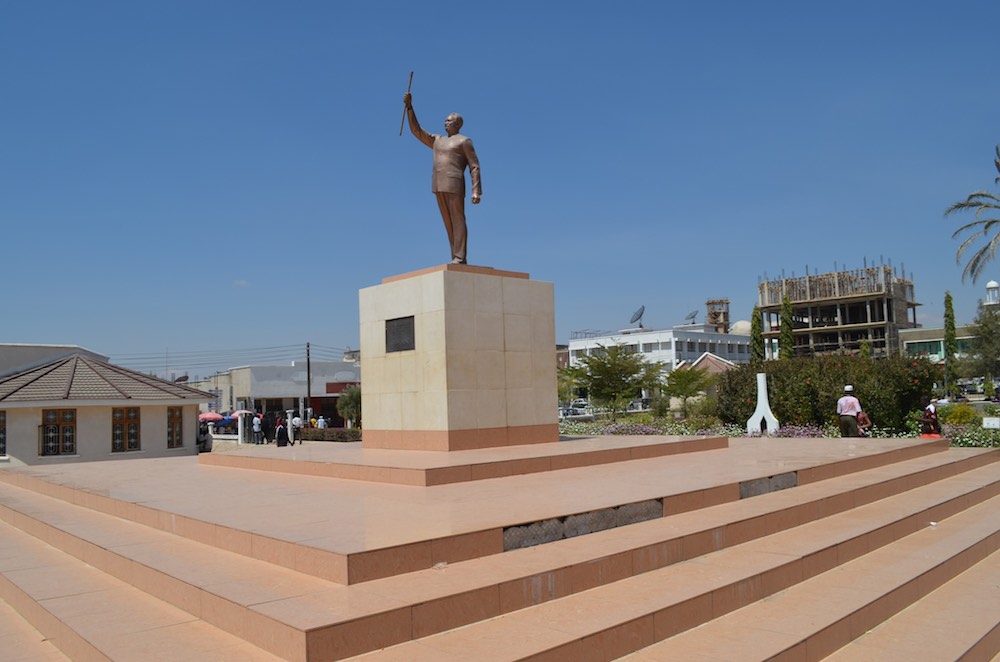
    Dodoma is the political capital of Tanzania since 1973, even if it is certainly still not well known by tourists.
    Although Dar Es Salaam remains the economic and commercial centre of the Country, Dodoma does not shrink from having personality and, after the National Assembly settlement, there are encouraging growth indications.

    Surrounded by fertile lands, on a 1100 meters of altitude plateau, Dodoma is connected to the principle Tanzanian cities by a functional bus network, a not so much reliable railway line and a small airport where usually tiny airplanes land.

    In the city, you can use taxis, the traditional daladala, low-priced minibuses, or the bicycles. Dodoma offers also some interesting examples of religious and civil architecture, even if we have to point out the difficulty in gaining access to the Bunge, Parliament’s seat and recent building, made with a typically African style. Indeed, the visits are possible only during the parliamentary sessions (only four times a year) and with the authorities’ agreement, while photos are absolutely forbidden. The different places of worship are easier to visit: in the central area there are the Jama Khana mosque (close to the daladala station), the Catholic, Anglican and Lutheran church.

    Near the airport stands the biggest mosque of the Country, the Gaddafi mosque, a recent pink building.
    In the North-East part of the city, there is the Lion Rock, a rocky hill that offers a beautiful view of Dodoma just 45 minutes away. It’s better to plan this excursion on weekends and to be accompanied by a local guide.
    In addition to being a famous area for agricultural products as beans, nuts, coffee, tea and tobacco, the region of Dodoma is also the centre of the Tanzanian wine-producing activity, with two grape harvests a year and a production of excellent wine, mostly intended for local consumption. Some companies, as Cetawico, in the North-East of Dodoma, open their wine cellars to the public, to publicise world-renowned wines.

    From local cuisine (Ugali, Nyama choma, Chips Mayai, Pilau), to international one (Asiatic, Indian and European), from restaurants to fast food, by way of well-stocked convenience stores, in Dodoma you can eat anything you want at any price.
    Food and local handcrafts are sold in large quantities and moderately priced at the Majengo Market, the most important and picturesque market of Dodoma.

    You will find full comfort hotels, modest guest houses and some lodge to sleep. Although Dodoma is not a very attended tourist destination, you need to consider that, during the Parliament’s sessions, life becomes more chaotic and hotels are more crowded.

  • Local crafts at Shanga

    Local crafts at Shanga

    Close to Arusha there is a very special place where a group of Tanzanian disabled people produce local crafts with recycled materials. Disabled people in Tanzania do not have an easy life, but for these guys it is a different thanks to their tenacity and ability. More than 70 people work at Shanga, around 50 people are disabled.

    The Shanga Project

    There are several groups of artisans who produce clothes, pillows, paintings, necklaces, bracelets, glassware and more. These boys and girls have amazing skills, their smile never fails, the local craft products are of excellent quality, their  production is sold in boutiques and also exported abroad.
    For my baby I bought a little picture personalized for us in “Moshi”, one of the talents in the paintings department.

    The visit is free and you are not obliged to buy, my advice is to go and have a look. You can also visit the “Tanzanite Experience” Shop and combine the visit with a tasty lunch or a cup of hot coffee at the restaurants and bars close by.

  • Holidays? Vacation? Tanzania!!

    Holidays? Vacation? Tanzania!!

    The United Republic of Tanzania leads the Indian Ocean and is bordered to the north by Kenya and Uganda to the West by Burundi, Rwanda and Democratic Republic of Congo, to the south by Zambia, Malawi and Mozambique.

    Time zone: + 2:00 hours ahead of CET time.

    Tanzania is divided into several well-defined regions: the coastal plains, which have a lush tropical vegetation, the Maasai steppe to the North, 200-1000 meters above sea level, and a plateau to the South towards Zambia and Lake Nyasa . Savannah and bush cover the remaining area. There are a North-South and a South-West volcanic highlands and over 53,000 sq km are submerged lands prevalent formed by lakes in the Great Rift Valley.

    The United Republic of Tanzania includes the islands of Zanzibar, Pemba and Mafia, about 45 km from the North-Eastern coast of the country.

    Tanzania was established in 1964 by the union between Tanganyika and Zanzibar. There are over 120 tribes in this land, and most of them migrated from other parts of Africa. The first Europeans were the Portuguese who controlled most of the coastal area, the Portuguese also controlled Zanzibar until 1699 when they were pushed out from the island by Omari Arabis. At the end of the 19th century, along with Rwanda and Burundi, Tanganyika was part of Germany’s colonies in East Africa after the treaty between England and Germany.

    The Following defeat of Germany in World War II, the territory was administered by the British under the UN mandate. Tanganyika became independent from the Commonwealth in 1961 after a period of self-government in which the main political party, the Tanganyika African National Union (TANU), emerged as the dominant political force. Its charismatic leader, Julius Nyerere, occupied the position of Chairman since independence day until 1985. In 1964, Tanganyika and Zanzibar gave rise to a new state, Tanzania.