
<
October is the month that divides opinion. Some travelers avoid it because the vuli (short rains) can start in the second half. Others seek it out precisely for that reason: shoulder-season pricing, fewer visitors, and safari conditions that are still genuinely strong.
The weather in Tanzania in October is warm (16–29°C in the northern parks), with the landscape at its driest and wildlife concentrated at the last remaining water sources.
Rainfall starts creeping back in, with the Serengeti seeing around 70 mm over 10 days, though most of it falls in the final week.
After running safaris through dozens of Octobers, my view is straightforward: early October delivers dry-season quality at shoulder-season prices.
Late October is a gamble on weather, but the wildlife doesn’t care either way. For the full climate picture, see our Tanzania Climate guide.
Key Weather & Travel Details for October
- Temperatures: 16–29°C (61–84°F) in the northern parks; 20–31°C (68–88°F) on the coast. The warmest month of the dry season. Can feel hot at lower altitudes
- Rainfall: Increasing. Around 70 mm in the Serengeti over 10 days, 45 mm in Arusha over 9 days. First two weeks usually dry, vuli may begin in the second half
- Beaches (Zanzibar): Warm (31°C+), sea rising to 27–28°C. Still mostly dry in early October, occasional showers later. Good for beach, though November is less predictable
- Packing: Light rain jacket becomes useful again. Warm layers for mornings still needed at altitude. Sunscreen essential, as the sun is near its strongest
Safari Conditions in October
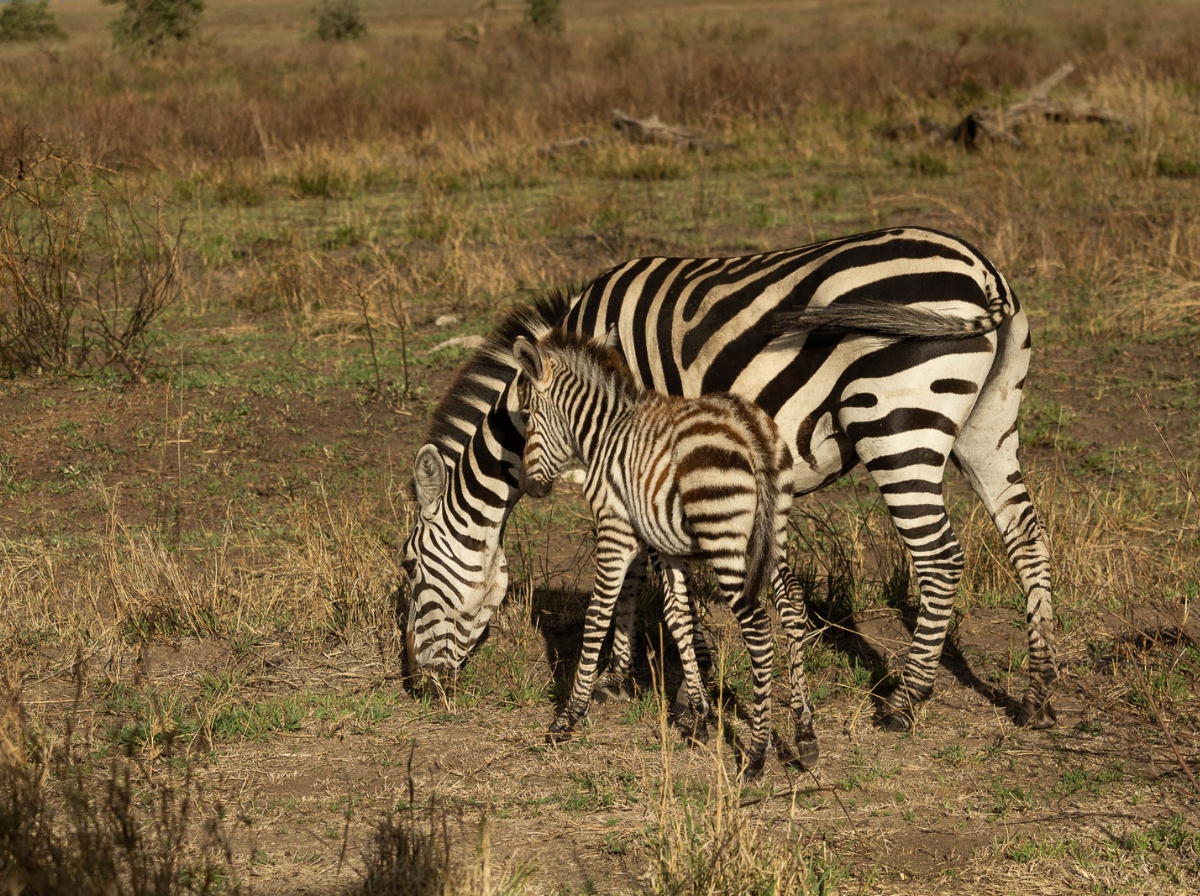
Early October is still excellent for a safari in Tanzania. The landscape is at its driest and most open. Waterholes are at their lowest levels, which means animals have nowhere to hide, and predator-prey dynamics play out right in front of you. Dust rises from the plains, the grass is golden, and visibility is as good as it gets.
By late October, the first vuli showers may arrive. When they do, the change is immediate: the air cools, the dust settles, and within days the first green shoots appear. I’ve always liked this transitional moment. It’s not the postcard-perfect dry season, but there’s an energy to the landscape that feels like the Serengeti is taking its first breath after months of drought.
Regional Weather Breakdown
- Zanzibar archipelago: Warm and mostly dry in early October. The kusi has ended, breeze shifts to lighter pre-kaskazi pattern. Occasional showers possible late month
- Northern Safari Circuit (Serengeti, Ngorongoro, Tarangire, Lake Manyara): Warm days (29°C), mornings still cool (16°C). Dry early, first rains possible late month. Tarangire outstanding: elephants, buffalo, and predators concentrated around the river
- Southern & Western Parks: Still in prime condition. Katavi reaches its peak, with massive hippo concentrations (hundreds in shrinking pools) and excellent predator sightings
- Kilimanjaro: Clear weather normally holds through October. Summit visibility among the clearest of the year
Travel Highlights & Considerations
- Great Migration returning south: The herds begin trickling back from Kenya’s Masai Mara into the Northern and Central Serengeti. The return is more gradual and spread out than the northward push, but large groups are present throughout the month
- Shoulder-season value: Prices drop from peak-season levels, and availability improves. Early October is one of the strongest value windows of the year for a high-quality safari
- Katavi hippo pools: The Katuma River shrinks to muddy pools packed with hundreds of hippos, crocodiles, and predators. Four of the Big Five are present (only rhino absent). Genuinely off the beaten path
- Kilimanjaro clarity: The Sep–October window offers the clearest summit views of the year
What Most Travelers Don’t Know About October
October has two angles that rarely appear in the standard guides.
- The Serengeti smells different: This sounds odd, but it’s something every guide notices. When the first vuli showers hit the sun-baked ground, the release of petrichor across the plains is extraordinary. The landscape shifts from golden brown to the first hints of green within days, and the resident animals visibly respond
- Tarangire in October rivals the Serengeti: With water sources at their absolute lowest, Tarangire draws some of the densest wildlife concentrations in East Africa. The elephant herds, in particular, are among the largest you’ll see anywhere on the continent
How October Compares to September and November
September is still fully dry season: reliable weather, excellent game viewing, slightly higher prices. October starts the same way but introduces late-month rain. The trade-off is better pricing and fewer visitors.
November brings the vuli properly: more consistent rain, greener landscapes, calving cycle restarting further south. If you want dry-season certainty, stick with early October. If you’re comfortable with variability, the second half still offers great wildlife at lower prices.

