
The weather in Tanzania in February is warm to hot across the northern parks, with temperatures between 16°C and 29°C and slightly more rain than January. February is the hottest month of the year in most of the country and the peak of the kiangazi, the dry pause between the two rainy seasons.
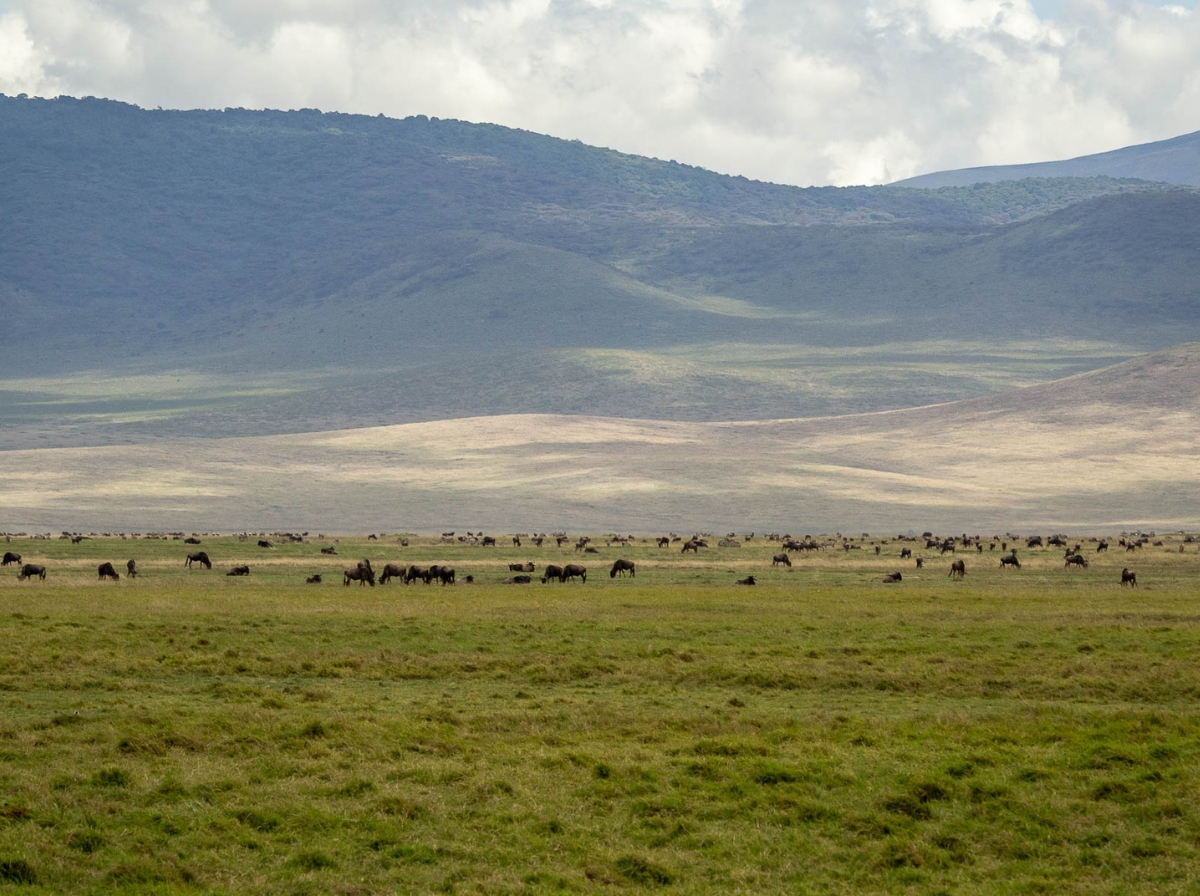
It’s also the peak of the wildebeest calving season in the Serengeti, with thousands of calves born every day on the Ndutu plains.
After 14 years in Arusha, I consider February one of the most rewarding months for a safari. The wildlife spectacle is at its most intense, and the parks are still far from the July to September crowds. For a broader view of Tanzania’s climate across all months, see our Tanzania Climate guide.
Key Weather & Travel Details for February
- Temperatures: 16–29°C (61–84°F) in the northern parks; 23–32°C (73–90°F) on the coast. February is typically the hottest month, especially at lower altitudes
- Rainfall: Slightly more than January. Around 65 mm in Arusha, 100 mm in the Serengeti, spread over 12–14 days. Still mostly brief afternoon showers
- Beaches (Zanzibar): Very hot and humid (32°C+). Sea at 29°C, the warmest of the year. Good diving and snorkeling visibility continues
- Packing: Same as January: fleece for morning game drives (14–16°C at dawn), light breathable clothes for daytime heat, sunscreen, light rain jacket
Safari Conditions in February
February is one of the best months for a safari in Tanzania. The calving season is at its peak in the Southern Serengeti, and the concentration of prey and predators on the Ndutu plains makes for exceptional game drives.
The grass is still short from months of grazing by millions of animals, so visibility across the open plains is excellent. Green landscapes after the vuli provide a photogenic backdrop that the dry season can’t match. Rain falls mostly as brief afternoon showers and rarely disrupts a full day in the field.
Regional Weather Breakdown
- Zanzibar archipelago: Hottest and most humid month. Temperatures reach 32°C+, sea at 29°C. Diving and snorkeling visibility still good under the kaskazi (NE monsoon). Good for beach travelers who enjoy tropical heat
- Northern Safari Circuit (Serengeti, Ngorongoro, Tarangire, Lake Manyara): Still in the kiangazi. Warm days (up to 29°C), cool mornings (14–16°C). The Serengeti sees ~100 mm over 14 days, slightly wetter than January but still manageable. Ngorongoro rim: mornings below 10°C, warm layers essential
- Southern & Western Parks: Mid-rainy season (single season Nov–Apr). Hot (30°C+), increasingly humid. Northern Circuit remains the better choice
- Kilimanjaro: Last reliable trekking window before the masika arrives in March. Conditions still relatively dry, base temperatures warm (25–30°C). By late February, moisture increases on the southern slopes
Travel Highlights & Considerations
- Wildebeest calving at its peak: This is the main reason to visit in February. Roughly 500,000 calves are born within a 2 to 3 week window, concentrated on the Ndutu plains and the short-grass areas of the southern Serengeti. The density of newborns draws lions, cheetahs, hyenas, and jackals in numbers you won’t see at any other time of year
- Great Migration: The herds are still concentrated between Naabi Hill and Lake Ndutu, near the Ngorongoro Conservation Area. By late February, some groups begin shifting west toward Seronera as the first masika rains approach. The Ndutu Great Migration Safari is designed specifically for this period
- Fewer crowds than peak season: February is busier than January (the calving draws more visitors), but still far quieter than July to September. Booking the Ndutu area camps in advance is recommended, especially for mid-February
- Birdwatching: European and northern African migratory species still present, many in breeding plumage. Resident species also active. Lake Manyara and Tarangire remain productive
- Tropical cyclones: Same low risk as January. The SW Indian Ocean cyclone season runs Nov–Apr (extended to mid-May for some island nations), but documented landfalls on Tanzania occurred in April and one in early May 2024. Northern parks unaffected
What Most Travelers Don’t Know About February
February has a couple of things going on that most safari planning guides skip over.
- Whale sharks at Mafia Island: Last full month of peak season (Nov–Feb). Roughly 200 resident whale sharks feeding close to the surface. By March, sightings become less reliable
- Everything is calving: Not just wildebeest. February triggers birthing across the ecosystem: zebra foals, gazelle fawns, warthog piglets, baby baboons, wobbly giraffe calves. Predators with their own cubs take advantage. The entire food chain is on display
How February Compares to January and March
January and February share the same season (kiangazi) and the same location for the herds (Southern Serengeti/Ndutu), but the calving is just beginning in January while February is the peak. Rain is slightly higher in February (~100 mm vs ~80 mm in the Serengeti), and temperatures are a touch warmer.
March is the turning point: the masika (long rains) arrive in the second half of the month, rain increases sharply, and the herds start moving northwest toward Central Serengeti. If you want the calving at its most intense with still-dry conditions, February is the sweet spot.
February is the month where the Serengeti ecosystem runs at full intensity. If your priority is wildlife action, this is as good as it gets.

