Category: Tanzania Hints and Tips

  • The most important Tanzanian attractions

    The most important Tanzanian attractions

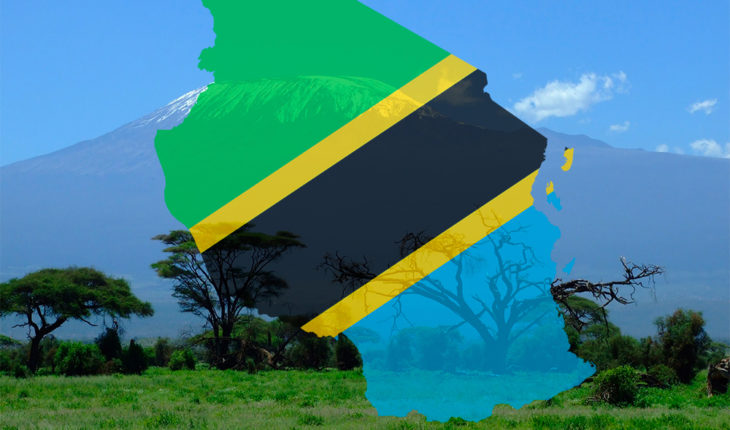
    Tanzania is an incredible and beautiful land for its untainted nature, the free wildlife, the majestic Kilimanjaro that overlooks unflappable the savannah, and the Zanzibar’s archipelago in the crystal clear waters of the Indian Ocean.

    The Main National Parks

    Tanzanian Parks are among the best-known in the world for their wildlife variety and the beauty of landscapes. In many of these parks is relatively easy to sight the famous “Big Five” (lion, African elephant, leopard, buffalo and rhinoceros), the most feared and wanted species in the time of the big hunting trips, and those that, still today, excite the safari lovers.

    The Ngorongoro Crater

    In the Ngorongoro Conservation Area, 180 km from Arusha, the Ngorongoro Crater is inhabited by an amazing quantity and variety of animal species (more than 25.000 mammals). Around the waters you could see from the Big Five to the giraffes, from the zebras to the hippopotamus, by way of a huge variety of birds, including one of the most important African colonies of flamingos. While in national parks, the human settlements are not allowed, in the Ngorongoro Conservation Area, the Maasai and their livestock can cohabit freely with the wild animals.
    The park is particularly popular during the dry season, from July to October, when the vegetation is less dense and the animals gather together around the waters.

    For more information:

    The Seregenti National Park

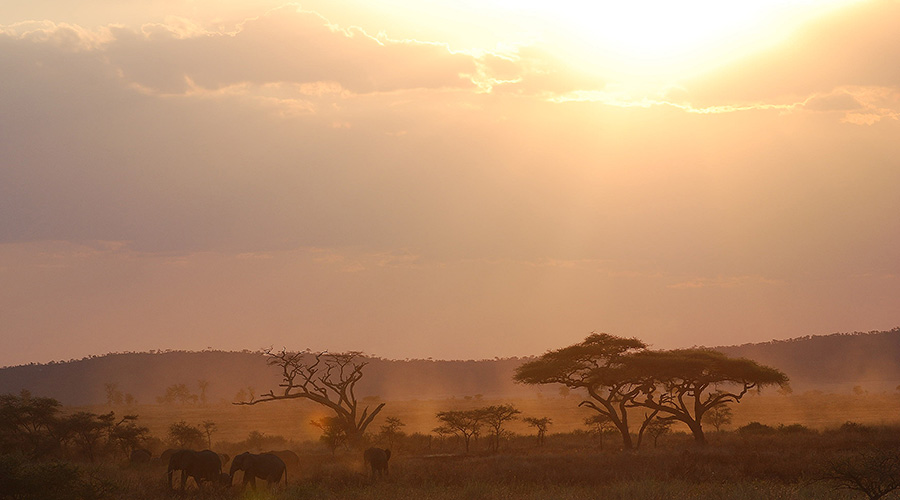
    On the border between Tanzania and Kenya, the Seregenti Park (endless plain, in Maasai language) covers about 14.000 square kilometres of savannah and it is part of the World Heritage Site. An infinitive space with a unique fauna and flora. The central area is inhabited mostly by settled animals, but one of the most impressive spectacles that you could see here, are the big summer migrations (from July to October) and winter migrations (from January to February) between Seregenti and Ngorongoro.

    For more information:

    The Tarangire National Park

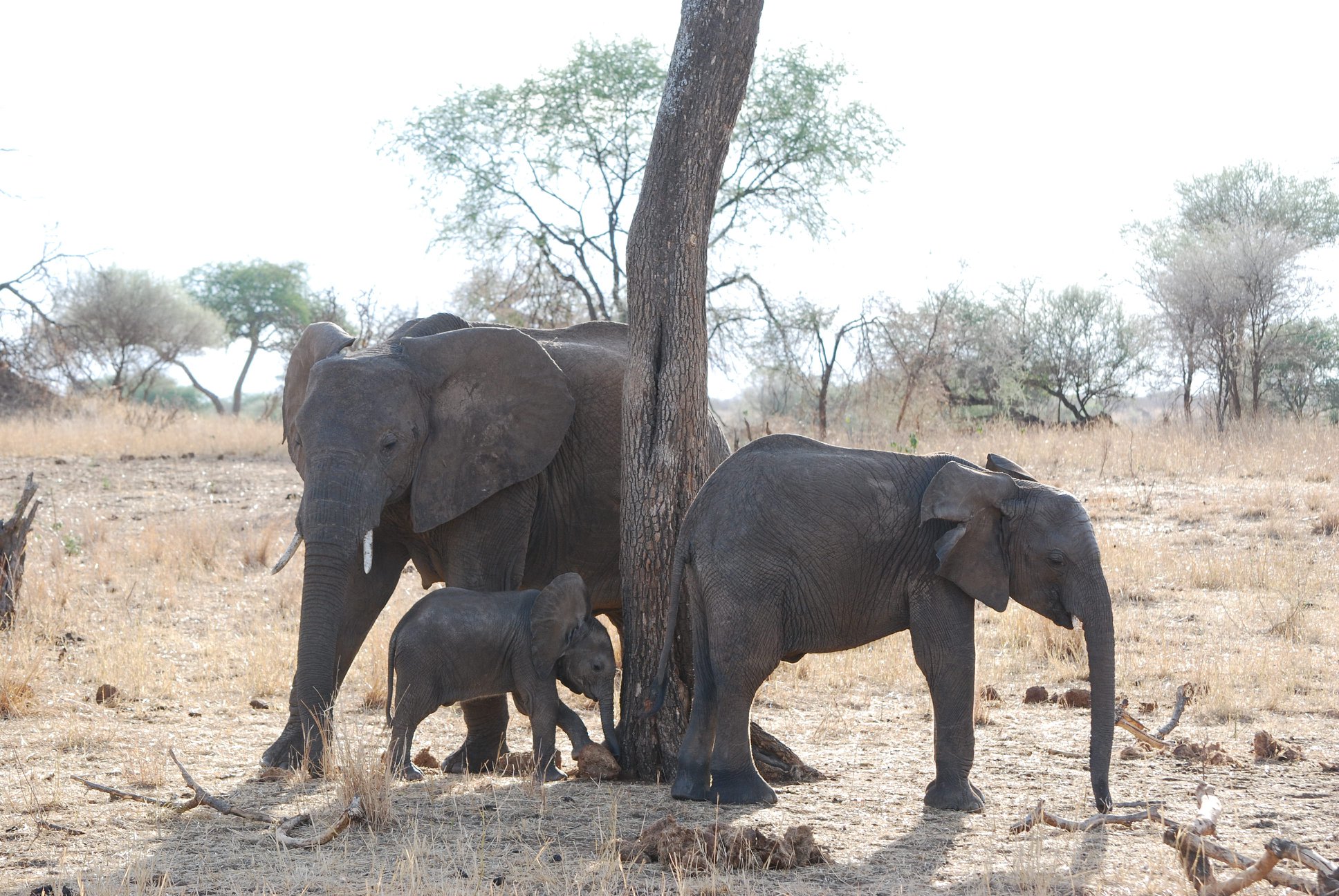
    This is one of the most beautiful and evocative Tanzanian parks and it takes its name from the river that crosses it. Famous for its herds of elephants and the majestic baobab, you could explore it participating to photo-safari, safari in hot air balloon, nocturnal game drive or on foot accompanied by expert Maasai guides. During the dry season (from June to November) many animals are concentrated on the areas near the river, but during the moist months (from November to May) you could admire charming landscapes and a lush nature.

    For more information:

    The Great Migrations (in winter and in summer)

    The Great Migration in the Serengeti and Ngorongoro’s parks is absolutely impressive. The herds of herbivores, wildebeests and zebras, followed by the predators move looking for a more favorable weather in a long and dangerous trip. The period from December to April matches the winter migration that will lead the animals to south, in Lake Ndutu area. The summer migration takes place between July and October when the animals leave again to the north to cross the Mara river close to the border with Kenya. Attending the perilous ford of the Mara river, the famous River Crossing, is a unique and incredible experience.

    For more information:

    The Main Lakes

    Tanzania is a lush and evocative land, able to offer, in addition to the Zanzibar’s sea, the savannah with its animals and its different and interesting lakes. Here we want to present you some of them.

    Lake Manyara

    Lake Manyara is one of the northern Tanzanian lakes and it is located in the namesake national park. This alkaline water lake attracts a lot of animals during the dry season and a great variety of birds, including pink flamingos, during the moist season. Therefore, it is a suggestive destination at any time of the year for photo-safari, walking safari and nocturnal safari.

    For more information:

    Lake Natron

    Lake natron, the most important reproduction site of pink flamingos in the world, it is an about 600 meters of altitude saline lake in Northern Tanzania. The concentration of millions of flamingos between June and October is an incredible spectacle. During the dry season, for the extreme salinity that helps the proliferation of the cyan bacteria, waters assume a surprising red colour.
    Ol Doinyo Lengai volcano overlooks the lake and it’s the sacre mountain for Maasai people.

    For more information:

    Lake Eyasi

    In the Lake Eyasi region, near Ngorongoro Conservation Area, the local culture will seduce you. Here there are the last Hadzabe fmilies, the only Bushmen tribe of the Eastern Africa, and the iron workers, Datoga, who produce arrowheads, bracelets and other ornaments. The Hadzabe are a nomad population, they use bow and arrow and in their language they have a characteristic repertoire of cracks and whistles suited to the hunting of wild animals.

    For more information:

    Arusha’s city

    Starting point for the safari in the Northern parks, Arusha is a city with more than four hundred thousand inhabitants and it is one of the most dynamic centre of Tanzania. In a very fertile agricultural region that produces cereals, coffee, fruits, vegetables and flowers, the city has a lot of shops and markets as the colourful Maasai market, where you can find local wooden crafts, masks, but also livestock, food and remedies of traditional medicine.
    A million of foreign tourists visit Arusha every year, this city offers a lively nightlife thanks to the various bars and restaurants and it proposes different cultural events. Placed on Mount Meru at 1400 meters above sea level, the city is pleasant in all seasons because it has a temperature that never oversteps 30 degrees.
    It is effectively connected to the other important Tanzanian centres by land and air, Arusha is only five-hour drive from Nairobi.

    For more information:

    Mount Kilimanjaro

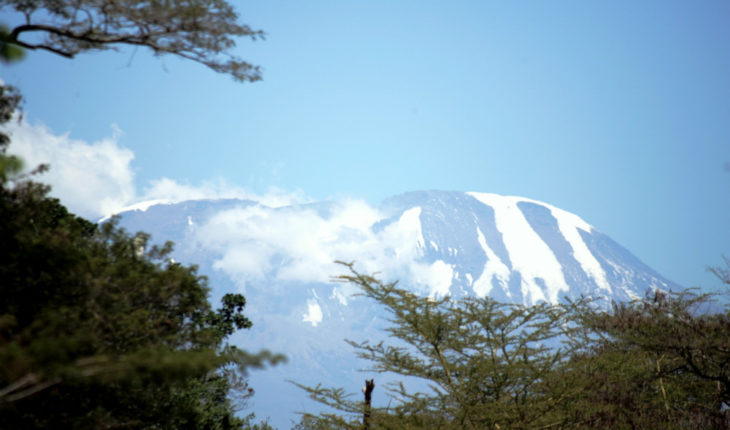
    The Mount Kilimanjaro with its 5895 meters of height is the tallest African mountain and it stands majestic and lonely on the savannah.
    The Kilimanjaro’s ascension is demanding but available to the lovers of trekking in good physical conditions. There are no technically difficult steps but it is essential getting used with caution to the climatic variations and to the high altitude. In an impressive sequence of ecosystems and temperatures, the ascension starts from the slopes tropical climate and arrives to the summit arctic climate, by way of the mountain forest and the alpine desert.
    To climb you can choose among different itineraries: Marangu Route, very popular and equipped with shelters for overnight, the evocative Machame Route for the most adventurous spirits, the less known but equally spectacular Lemosho Route and the Rongai Route that permits to go up and down from the opposite versants.

    For more information:

    Zanzibar’s Archipelago

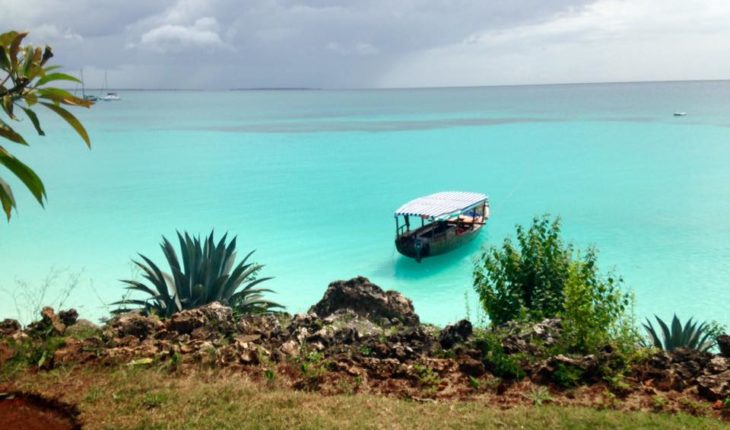
    Zanzibar is the blue pearl of Tanzania. Among the seventy islands counted by the archipelago, the most important are Unguja, Mafia, Pemba and Fanjove, authentic paradises of unspoiled nature, protected fauna, white beaches and relax. Here there are the most awesome snorkeling and diving spots of the world, wonderful marine reserve, lush forests and preserved mangroves. You will live the unique contact with nature and the magic offered by the Tanzanian breath-taking landscapes, without renouncing the luxury of seaside resorts, smells of spices and “Safari Blue”.

    For more information:

    The Main Excursions to Zanzibar

    Zanzibar has beautiful sites for amazing experiences to live in short but intense excursions.
    You could embark on a dhow to the discovery of dreamy beaches in the company of the Menai Bay’s dolphins in the Safari Blue excursion. Or you could choose to visit the ancient prisons of the slave trade at Prison Island, the island inhabited by the Seychelles’ giant turtles and surrounded by a crystal clear sea ideal for snorkeling.

    Don’t miss to dedicate a few hours to the discovery of Stone Town, an ancient and particular city with its maze of streets, the lime painted houses, the spices market and some monuments of historical and cultural interest.
    In the Spice Tour you will start to the discovery of the Unguja island’s hinterland, its wood sculptors and the traditional spices cultivation. This excursion can be combined with a suggestive walk in the virgin forest of Jozani among majestic trees and amazing endemic animal species.
    For memorable snorkeling and diving experiences, choose the excursion in Kizimkazi or to the Mnemba’s Atoll, marine park for the protection of corals, different tropical fish species, turtles and dolphins.

    For more information:

  • Dodoma, Tanzanian Capital

    Dodoma, Tanzanian Capital

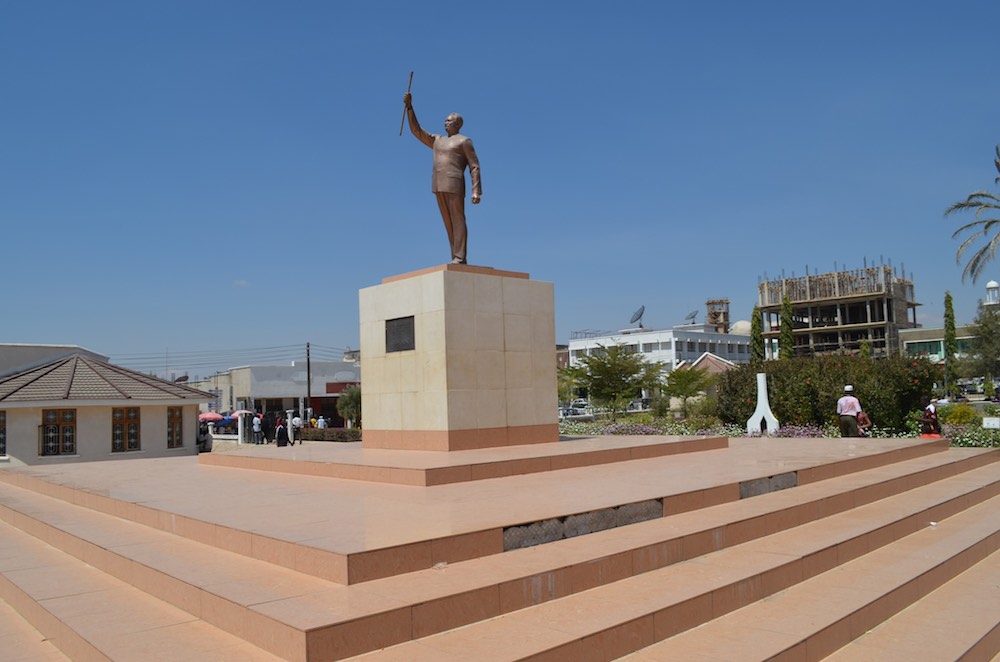
    Dodoma is the political capital of Tanzania since 1973, even if it is certainly still not well known by tourists.
    Although Dar Es Salaam remains the economic and commercial centre of the Country, Dodoma does not shrink from having personality and, after the National Assembly settlement, there are encouraging growth indications.

    Surrounded by fertile lands, on a 1100 meters of altitude plateau, Dodoma is connected to the principle Tanzanian cities by a functional bus network, a not so much reliable railway line and a small airport where usually tiny airplanes land.

    In the city, you can use taxis, the traditional daladala, low-priced minibuses, or the bicycles. Dodoma offers also some interesting examples of religious and civil architecture, even if we have to point out the difficulty in gaining access to the Bunge, Parliament’s seat and recent building, made with a typically African style. Indeed, the visits are possible only during the parliamentary sessions (only four times a year) and with the authorities’ agreement, while photos are absolutely forbidden. The different places of worship are easier to visit: in the central area there are the Jama Khana mosque (close to the daladala station), the Catholic, Anglican and Lutheran church.

    Near the airport stands the biggest mosque of the Country, the Gaddafi mosque, a recent pink building.
    In the North-East part of the city, there is the Lion Rock, a rocky hill that offers a beautiful view of Dodoma just 45 minutes away. It’s better to plan this excursion on weekends and to be accompanied by a local guide.
    In addition to being a famous area for agricultural products as beans, nuts, coffee, tea and tobacco, the region of Dodoma is also the centre of the Tanzanian wine-producing activity, with two grape harvests a year and a production of excellent wine, mostly intended for local consumption. Some companies, as Cetawico, in the North-East of Dodoma, open their wine cellars to the public, to publicise world-renowned wines.

    From local cuisine (Ugali, Nyama choma, Chips Mayai, Pilau), to international one (Asiatic, Indian and European), from restaurants to fast food, by way of well-stocked convenience stores, in Dodoma you can eat anything you want at any price.
    Food and local handcrafts are sold in large quantities and moderately priced at the Majengo Market, the most important and picturesque market of Dodoma.

    You will find full comfort hotels, modest guest houses and some lodge to sleep. Although Dodoma is not a very attended tourist destination, you need to consider that, during the Parliament’s sessions, life becomes more chaotic and hotels are more crowded.

  • Local crafts at Shanga

    Local crafts at Shanga

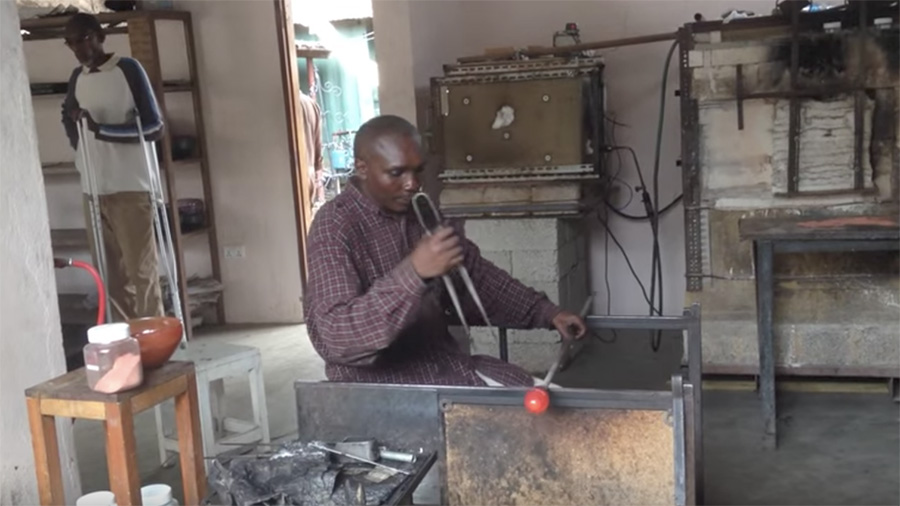
    Close to Arusha there is a very special place where a group of Tanzanian disabled people produce local crafts with recycled materials. Disabled people in Tanzania do not have an easy life, but for these guys it is a different thanks to their tenacity and ability. More than 70 people work at Shanga, around 50 people are disabled.

    The Shanga Project

    There are several groups of artisans who produce clothes, pillows, paintings, necklaces, bracelets, glassware and more. These boys and girls have amazing skills, their smile never fails, the local craft products are of excellent quality, their  production is sold in boutiques and also exported abroad.
    For my baby I bought a little picture personalized for us in “Moshi”, one of the talents in the paintings department.

    The visit is free and you are not obliged to buy, my advice is to go and have a look. You can also visit the “Tanzanite Experience” Shop and combine the visit with a tasty lunch or a cup of hot coffee at the restaurants and bars close by.

  • Holidays? Vacation? Tanzania!!

    Holidays? Vacation? Tanzania!!

    The United Republic of Tanzania leads the Indian Ocean and is bordered to the north by Kenya and Uganda to the West by Burundi, Rwanda and Democratic Republic of Congo, to the south by Zambia, Malawi and Mozambique.

    Time zone: + 2:00 hours ahead of CET time.

    Tanzania is divided into several well-defined regions: the coastal plains, which have a lush tropical vegetation, the Maasai steppe to the North, 200-1000 meters above sea level, and a plateau to the South towards Zambia and Lake Nyasa . Savannah and bush cover the remaining area. There are a North-South and a South-West volcanic highlands and over 53,000 sq km are submerged lands prevalent formed by lakes in the Great Rift Valley.

    The United Republic of Tanzania includes the islands of Zanzibar, Pemba and Mafia, about 45 km from the North-Eastern coast of the country.

    Tanzania was established in 1964 by the union between Tanganyika and Zanzibar. There are over 120 tribes in this land, and most of them migrated from other parts of Africa. The first Europeans were the Portuguese who controlled most of the coastal area, the Portuguese also controlled Zanzibar until 1699 when they were pushed out from the island by Omari Arabis. At the end of the 19th century, along with Rwanda and Burundi, Tanganyika was part of Germany’s colonies in East Africa after the treaty between England and Germany.

    The Following defeat of Germany in World War II, the territory was administered by the British under the UN mandate. Tanganyika became independent from the Commonwealth in 1961 after a period of self-government in which the main political party, the Tanganyika African National Union (TANU), emerged as the dominant political force. Its charismatic leader, Julius Nyerere, occupied the position of Chairman since independence day until 1985. In 1964, Tanganyika and Zanzibar gave rise to a new state, Tanzania.


  • The Safari Distances in Tanzania

    The Safari Distances in Tanzania

    When you organize a safari and you choose to visit the parks, it is important to take into consideration the transfers from one park to another. Some operators could offer safaris where you run from one park to another without having enough time to enjoy the photo-safari, or the roads conditions could make the transfer times longer for different reasons. This is one of the reasons why it is always better contact and rely on a local, expert and serious operator.

    We take into consideation that we are in Tanzania, not all roads are paved or in good condition. In Tanzania there are speed limits, bumps, police check points, and especially it is more safe if we drive slowly. Another good idea is to avoid driving long distances in the dark, in the parks is not allowed to move from 6 pm to 6 am.

    The smartest way to measure the distance in Tanzania is in driving hours rather than Kilometers, because as I said the same distance in kilometers can be covered in different times depending on the road conditions. Below we provide a guideline that may change according to the road conditions, for example during a storm or just after, but they are certainly a good approximation.

    The distances of the safari in northern Tanzania

    The Northern parks of Tanzania have the great advantage of being quite closed each other and therefore the transfer time is around 2-3 hours from one park to another.
    The main tamac road is in good condition, it starts from Dar Es Salaam and arrivse to Ngorongoro Conservation Area entrance gate, crossing near the parks of Kilimanjaro, Kilimanjaro International Airport, Arusha, The Arusha Airport, Arusha National Park , Tarangire National Park and Lake Manyara National Park.We proceed to Serengeti National Park on a rough road and we can return to Arusha driving back on the same road, or driving to Lake Natron where we overnight for one night and then proceed to Arusha driving first on the rough road and later joining again the paved road between Karatu and Mto wa Mbu.

    • Kilimanjaro Airport – Arusha, 50 Km – 1 hour transfer
    • Arusha – Tarangire, 130 Km – 2 hours of transfer
    • Arusha – Manyara, 120 Km – 2 hours of transfer
    • Tarangire – Manyara, 60 km – 1 hour transfer
    • Tarangire – Karatu, 90 Km – 1.5 hour transfer
    • Arusha – Karatu , 160 km – 2.5 hours of transfer
    • Arusha – Serengeti, 335 Km – 6 hours of transfer
    • Dar Es Salaam – Arusha , 635 Km – 12 hours of transfer
    • Arusha – Marangu, 120 Km – 2 hours of transfer

    The distances reported here are the distance to the park entrance gate. For more information or a safari program you can contact me at Savannah Explorers .


  • How can i save for the safari in Tanzania?

    How can i save for the safari in Tanzania?

    The safari in Tanzania is an incredible journey in the nature and among wild animals, accompanied by a professional guide on board a 4×4 jeep. Prices are not always affordable to everyone, the park fees, the exclusive use of the jeep, lodges and tented camps are expensive and drive up the final price. The price will be even higher if the safari is booked by the oversea agent due to the middle-men between the customer and the local tour operator.

    The question is “How can I save”?

    1 – Contact a local operator

    If you organize your safari in Tanzania with a serious local tour operator you will be able to save money on the rigmarole of intermediaries and have better service for the money spent. Also you speak directly with the safari expert to define, plan and customize your safari program. It’s easy contact a tour operator in Tanzania, such as Savannah Explorers , just read the safari programs on their website and get a quote by mail or online form.

    Make sure that the local operator has a valid license to operate safari checking Tanzania Tourism Ministry website.

    2 – Take advantage of the offers or share with a small group

    The safari quotes are not exactly the same all year round, there are offers for low season, for some itineraries, for certain combinations of lodge and tented camps or departures offered in small groups. Sharing the jeep with 4-6 people allows you to split the fixed cost of the jeep and driving among more people. See for example our Savannah Explorers Offers page.

    3 – Save money on accommodation

    In addition to the lodge and most famous tented camps there are simple and clean accommodation that allow you to save money on the total price, so we can save a few hundred dollars on accommodation during 1 week safari program.

    4 – You can save up to some extent

    Tanzania is an expensive destination for the cost of park fees, 4×4 vehicle, driving distances and nights in tented camps and lodges, you can save but up to some extents. Be wary of too low prices, your trip could turn into a scam.

  • DRAFT – safari photographer in Tanzania

    DRAFT – safari photographer in Tanzania

    The safari is an experience that everyone should do at least once in life, for those who are passionate about photography is a unique opportunity to capture breathtaking landscapes, unforgettable sunsets and animals in their natural environment. Tanzania has been awarded in recent years as the best destination for the photo safari in Africa, it is the land of the famous Serengeti National Park, Mount Kilimanjaro known as the roof of Africa and Zanzibar called the island of spices.

    What can I photographed while on safari in Tanzania?
    Africa and Tanzania have a very different place from Italy and there are many opportunities for photographers: Mount Kilimanjaro and Mount Meru, banana plantations and coffee, the colorful local markets, shops of yesteryear, rickety carts and people from special smile. In the parks there are plenty of animals: elephants, lions, leopards, cheetahs, baboons and mischievous Colari birds, a visit to the Masai village is an opportunity to photograph the Masai warriors and their women with collars and very showy earrings.
    Sunrise and sunset are the moments with the best light, it is good to get organized with the safari guide, starting at 6:00 in the morning before sunrise and take advice Right the place for sunset.

    Sport equipment
    The first tip is to check all your equipment before leaving, here in Tanzania is not a lot and the little that is is way overpriced or bad quality, controls everything before starting: Battery, optical, camera body, filters , cases and everything else.

    The ideal is to have a digital SLR camera with at least a 200 mm (the 300 is even better), the animals are usually quite close and are not indispensable most powerful optics. But they do need different memory cards and at least one spare battery, to be more confident you should save all the photos on a memory card at the end of each day. In some cases it is very useful to have dual camera body to have at hand the 18-55 mm and 300 mm, in this way we will always be ready to shoot with the right perspective.

    My tips
    It ‘s a good idea to protect the machine from dust by putting it in the case when not in use and remove dust in the evenings with the special wipes. Careful to dust if you change optical “on the road”.

    When the memory card is almost full or low battery better to put a new right away, let us not see us in the middle of a hunting scene with full or battery low, I assure you that the lions will not wait !!

    Charge the batteries at the lodge / tented camp as soon as possible,during safari hold batteries and memory cards on hand during the safari.

    Before photographing people ask permission, there is always someone who does not like touchy.

    ABSOLUTELY NOT TAKE PICTURES OF AIRPORTS, CONVOYS MILITARY, MILITARY, POLICE, GOVERNMENT BUILDINGS, and the like, if you do it you and your guide will end up in trouble.

    Have fun and enjoy the safari parks of Tanzania.

    [Metaslider id = 651]

  • What about malaria while on safari in Tanzania?

    What about malaria while on safari in Tanzania?

    Planning a trip to Africa or Asia you have to check the recommended vaccinations / immunization advice for your destination.  The risk of contracting malaria during a safari or beach holiday in Tanzania is really low, but let’s go step by step.

    What is malaria?

    Malaria is a disease caused by a parasite called Plasmodium that infects red blood cells.

    How is malaria transmitted malaria?

    Malaria is transmitted primarily through bites of Anopheles mosquito similar to our common mosquitoes and active from dusk to dawn. The mosquito bites a sick person and then another person, here is when this second person is infected. The parasites (Plasmodium) lurk in the liver for a few days and then are released into the bloodstream where they destroy red blood cells.

    Is malaria a real risk during safari in Tanzania?

    There are very low chances to be infected but it is possible. It’s a good practice if you use the mosquito nets and do not to leave windows / doors open after dark, use repellent and dress in long pants and long sleeves to avoid bites. Arusha and Ngorongoro are malaria free, there is higher malaria risk in Dar Es Salaam and the coast where the climate is more hot and humid. Lodge / tented camp staff sprays in your room / tent every day to kill mosquitoes and other insects.

    I do prophylaxis for malaria to come to Tanzania?

    Check with your doctor about suitable antimalarial tablets: Atovaquone/proguanil OR doxycycline OR mefloquine is usually recommended. Atovaquone/proguanil (Malarone) is a combination pill taken once daily with food starting two days before arrival and continuing through the trip and for seven days after departure. Side-effects, which are typically mild, may include abdominal pain, nausea, vomiting, headache, diarrhea, or dizziness. Serious adverse reactions are rare. Mefloquine is taken once weekly in a dosage of 250 mg, starting one-to-two weeks before arrival and continuing through the trip and for four weeks after departure. Mefloquine may cause mild neuropsychiatric symptoms, including nausea, vomiting, dizziness, insomnia, and nightmares. Rarely, severe reactions occur, including depression, anxiety, psychosis, hallucinations, and seizures. Mefloquine should not be given to anyone with a history of seizures, psychiatric illness, cardiac conduction disorders, or allergy to quinine or quinidine.  Doxycycline is effective, but may cause an exaggerated sunburn reaction, which limits its usefulness in the tropics.

    What I have reported is only a generic advice and may change accordingly to age, where you leave and many other factors, I suggest you consult your doctor. The decision on the prophylaxis for malaria is a personal choice.

    How Tanzania people protect themselves from malaria

    It’s very simple:

    • Use mosquito nets to prevent mosquito bites
    • Spray the house every day or so and kill mosquito
    • Wear long sleeves and  long trousers when it’s dark


    Don’t worry about malaria, Tanzania is unforgettable destination and the best destination for safari in Africa. You can get more information on Savannah Explorers Website.


  • Arusha City: plants and flowers

    Arusha City: plants and flowers

    Arusha is known as the safari capital, it is a green cityat the foot of Mount Meru about 1400 m. above sea level.The area is rich in water and it’s never too cold or too hot. Trees and plants find the best condition and environment, they grow and flourish very quickly.

    The nurseries of Arusha

    One of the most common commercial activities for Arusha inhabitants are nurseries. Once in the city you definitely notice them on the sides of the main streets, a lot of of plants, flowers and trees ready to be planted in the garden. There are seasonal, perennials, fruit trees and garden trees, can meet any need and preference.

    Personally I bought a lot at these plants, flowers and tress and the quality is excellent, here I also purchased a “small Christmas Tree”  for our garden which now is already a big tree and makes our Xmas time really nice with a lot of red flowers.

    To organize your safari in Tanzania and visiting Arusha can consult My Savannah Explorers website.

    [Metaslider id = 651]