Category: Tanzania Hints and Tips

  • The Safari Distances in Tanzania

    The Safari Distances in Tanzania

    When you organize a safari and you choose to visit the parks, it is important to take into consideration the transfers from one park to another. Some operators could offer safaris where you run from one park to another without having enough time to enjoy the photo-safari, or the roads conditions could make the transfer times longer for different reasons. This is one of the reasons why it is always better contact and rely on a local, expert and serious operator.

    We take into consideation that we are in Tanzania, not all roads are paved or in good condition. In Tanzania there are speed limits, bumps, police check points, and especially it is more safe if we drive slowly. Another good idea is to avoid driving long distances in the dark, in the parks is not allowed to move from 6 pm to 6 am.

    The smartest way to measure the distance in Tanzania is in driving hours rather than Kilometers, because as I said the same distance in kilometers can be covered in different times depending on the road conditions. Below we provide a guideline that may change according to the road conditions, for example during a storm or just after, but they are certainly a good approximation.

    The distances of the safari in northern Tanzania

    The Northern parks of Tanzania have the great advantage of being quite closed each other and therefore the transfer time is around 2-3 hours from one park to another.
    The main tamac road is in good condition, it starts from Dar Es Salaam and arrivse to Ngorongoro Conservation Area entrance gate, crossing near the parks of Kilimanjaro, Kilimanjaro International Airport, Arusha, The Arusha Airport, Arusha National Park , Tarangire National Park and Lake Manyara National Park.We proceed to Serengeti National Park on a rough road and we can return to Arusha driving back on the same road, or driving to Lake Natron where we overnight for one night and then proceed to Arusha driving first on the rough road and later joining again the paved road between Karatu and Mto wa Mbu.

    • Kilimanjaro Airport – Arusha, 50 Km – 1 hour transfer
    • Arusha – Tarangire, 130 Km – 2 hours of transfer
    • Arusha – Manyara, 120 Km – 2 hours of transfer
    • Tarangire – Manyara, 60 km – 1 hour transfer
    • Tarangire – Karatu, 90 Km – 1.5 hour transfer
    • Arusha – Karatu , 160 km – 2.5 hours of transfer
    • Arusha – Serengeti, 335 Km – 6 hours of transfer
    • Dar Es Salaam – Arusha , 635 Km – 12 hours of transfer
    • Arusha – Marangu, 120 Km – 2 hours of transfer

    The distances reported here are the distance to the park entrance gate. For more information or a safari program you can contact me at Savannah Explorers .

     

  • How can i save for the safari in Tanzania?

    How can i save for the safari in Tanzania?

    The safari in Tanzania is an incredible journey in the nature and among wild animals, accompanied by a professional guide on board a 4×4 jeep. Prices are not always affordable to everyone, the park fees, the exclusive use of the jeep, lodges and tented camps are expensive and drive up the final price. The price will be even higher if the safari is booked by the oversea agent due to the middle-men between the customer and the local tour operator.

    The question is “How can I save”?

    1 – Contact a local operator

    If you organize your safari in Tanzania with a serious local tour operator you will be able to save money on the rigmarole of intermediaries and have better service for the money spent. Also you speak directly with the safari expert to define, plan and customize your safari program. It’s easy contact a tour operator in Tanzania, such as Savannah Explorers , just read the safari programs on their website and get a quote by mail or online form.

    Make sure that the local operator has a valid license to operate safari checking Tanzania Tourism Ministry website.

    2 – Take advantage of the offers or share with a small group

    The safari quotes are not exactly the same all year round, there are offers for low season, for some itineraries, for certain combinations of lodge and tented camps or departures offered in small groups. Sharing the jeep with 4-6 people allows you to split the fixed cost of the jeep and driving among more people. See for example our Savannah Explorers Offers page.

    3 – Save money on accommodation

    In addition to the lodge and most famous tented camps there are simple and clean accommodation that allow you to save money on the total price, so we can save a few hundred dollars on accommodation during 1 week safari program.

    4 – You can save up to some extent

    Tanzania is an expensive destination for the cost of park fees, 4×4 vehicle, driving distances and nights in tented camps and lodges, you can save but up to some extents. Be wary of too low prices, your trip could turn into a scam.

  • DRAFT – safari photographer in Tanzania

    DRAFT – safari photographer in Tanzania

    The safari is an experience that everyone should do at least once in life, for those who are passionate about photography is a unique opportunity to capture breathtaking landscapes, unforgettable sunsets and animals in their natural environment. Tanzania has been awarded in recent years as the best destination for the photo safari in Africa, it is the land of the famous Serengeti National Park, Mount Kilimanjaro known as the roof of Africa and Zanzibar called the island of spices.

    What can I photographed while on safari in Tanzania?
    Africa and Tanzania have a very different place from Italy and there are many opportunities for photographers: Mount Kilimanjaro and Mount Meru, banana plantations and coffee, the colorful local markets, shops of yesteryear, rickety carts and people from special smile. In the parks there are plenty of animals: elephants, lions, leopards, cheetahs, baboons and mischievous Colari birds, a visit to the Masai village is an opportunity to photograph the Masai warriors and their women with collars and very showy earrings.
    Sunrise and sunset are the moments with the best light, it is good to get organized with the safari guide, starting at 6:00 in the morning before sunrise and take advice Right the place for sunset.

    Sport equipment
    The first tip is to check all your equipment before leaving, here in Tanzania is not a lot and the little that is is way overpriced or bad quality, controls everything before starting: Battery, optical, camera body, filters , cases and everything else.

    The ideal is to have a digital SLR camera with at least a 200 mm (the 300 is even better), the animals are usually quite close and are not indispensable most powerful optics. But they do need different memory cards and at least one spare battery, to be more confident you should save all the photos on a memory card at the end of each day. In some cases it is very useful to have dual camera body to have at hand the 18-55 mm and 300 mm, in this way we will always be ready to shoot with the right perspective.

    My tips
    It ‘s a good idea to protect the machine from dust by putting it in the case when not in use and remove dust in the evenings with the special wipes. Careful to dust if you change optical “on the road”.

    When the memory card is almost full or low battery better to put a new right away, let us not see us in the middle of a hunting scene with full or battery low, I assure you that the lions will not wait !!

    Charge the batteries at the lodge / tented camp as soon as possible,during safari hold batteries and memory cards on hand during the safari.

    Before photographing people ask permission, there is always someone who does not like touchy.

    ABSOLUTELY NOT TAKE PICTURES OF AIRPORTS, CONVOYS MILITARY, MILITARY, POLICE, GOVERNMENT BUILDINGS, and the like, if you do it you and your guide will end up in trouble.

    Have fun and enjoy the safari parks of Tanzania.

    [Metaslider id = 651]

  • What about malaria while on safari in Tanzania?

    What about malaria while on safari in Tanzania?

    Planning a trip to Africa or Asia you have to check the recommended vaccinations / immunization advice for your destination.  The risk of contracting malaria during a safari or beach holiday in Tanzania is really low, but let’s go step by step.

    What is malaria?

    Malaria is a disease caused by a parasite called Plasmodium that infects red blood cells.

    How is malaria transmitted malaria?

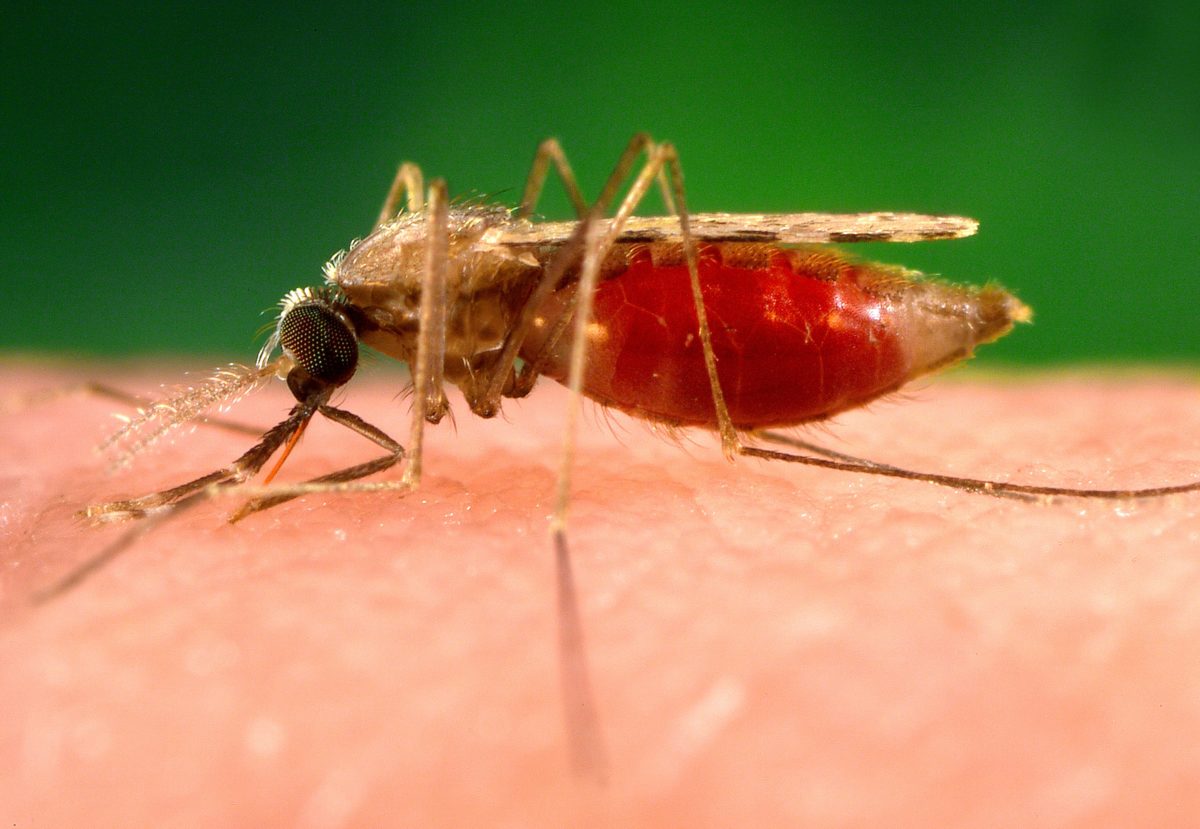
    Malaria is transmitted primarily through bites of Anopheles mosquito similar to our common mosquitoes and active from dusk to dawn. The mosquito bites a sick person and then another person, here is when this second person is infected. The parasites (Plasmodium) lurk in the liver for a few days and then are released into the bloodstream where they destroy red blood cells.

    Is malaria a real risk during safari in Tanzania?

    There are very low chances to be infected but it is possible. It’s a good practice if you use the mosquito nets and do not to leave windows / doors open after dark, use repellent and dress in long pants and long sleeves to avoid bites. Arusha and Ngorongoro are malaria free, there is higher malaria risk in Dar Es Salaam and the coast where the climate is more hot and humid. Lodge / tented camp staff sprays in your room / tent every day to kill mosquitoes and other insects.

    I do prophylaxis for malaria to come to Tanzania?

    Check with your doctor about suitable antimalarial tablets: Atovaquone/proguanil OR doxycycline OR mefloquine is usually recommended. Atovaquone/proguanil (Malarone) is a combination pill taken once daily with food starting two days before arrival and continuing through the trip and for seven days after departure. Side-effects, which are typically mild, may include abdominal pain, nausea, vomiting, headache, diarrhea, or dizziness. Serious adverse reactions are rare. Mefloquine is taken once weekly in a dosage of 250 mg, starting one-to-two weeks before arrival and continuing through the trip and for four weeks after departure. Mefloquine may cause mild neuropsychiatric symptoms, including nausea, vomiting, dizziness, insomnia, and nightmares. Rarely, severe reactions occur, including depression, anxiety, psychosis, hallucinations, and seizures. Mefloquine should not be given to anyone with a history of seizures, psychiatric illness, cardiac conduction disorders, or allergy to quinine or quinidine.  Doxycycline is effective, but may cause an exaggerated sunburn reaction, which limits its usefulness in the tropics.

    What I have reported is only a generic advice and may change accordingly to age, where you leave and many other factors, I suggest you consult your doctor. The decision on the prophylaxis for malaria is a personal choice.

    How Tanzania people protect themselves from malaria

    It’s very simple:

    • Use mosquito nets to prevent mosquito bites
    • Spray the house every day or so and kill mosquito
    • Wear long sleeves and  long trousers when it’s dark


    Don’t worry about malaria, Tanzania is unforgettable destination and the best destination for safari in Africa. You can get more information on Savannah Explorers Website.


  • Arusha City: plants and flowers

    Arusha City: plants and flowers

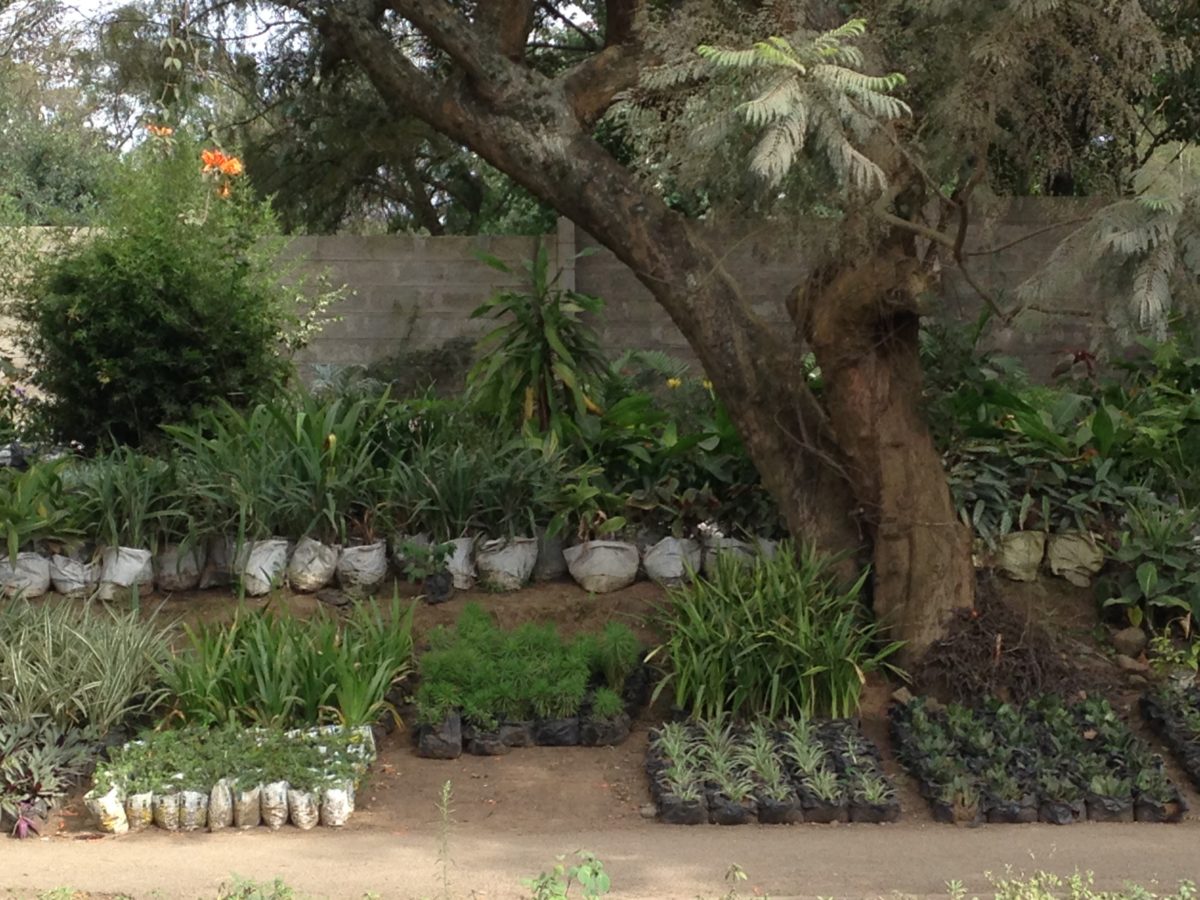
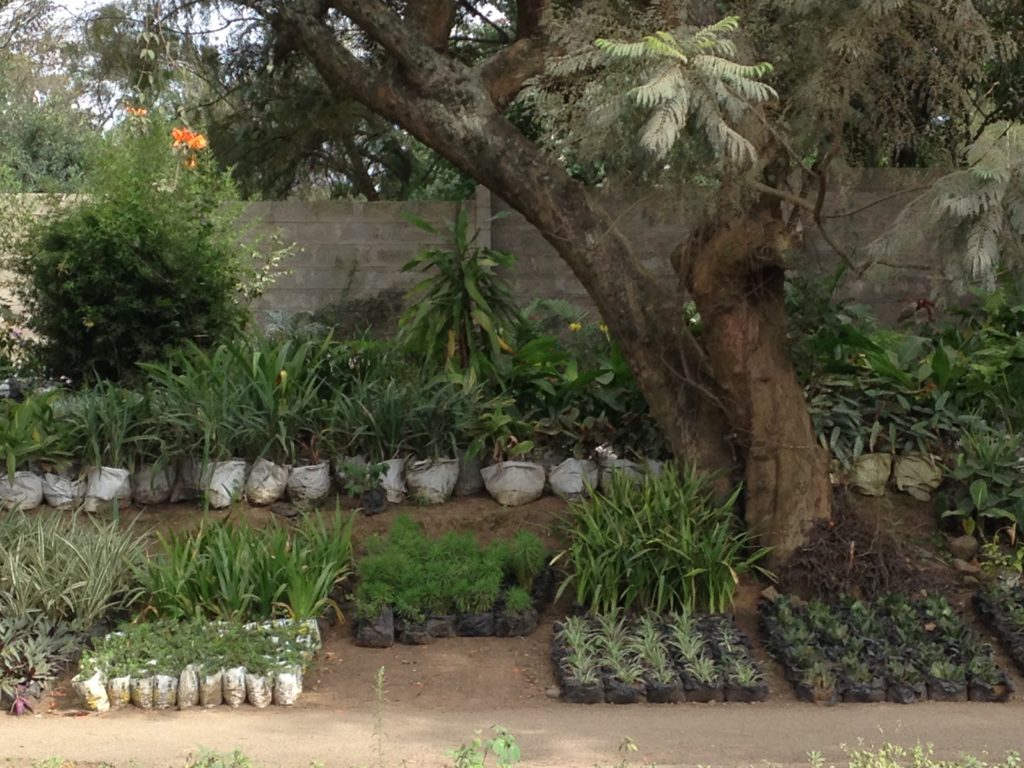
    Arusha is known as the safari capital, it is a green cityat the foot of Mount Meru about 1400 m. above sea level.The area is rich in water and it’s never too cold or too hot. Trees and plants find the best condition and environment, they grow and flourish very quickly.

    The nurseries of Arusha

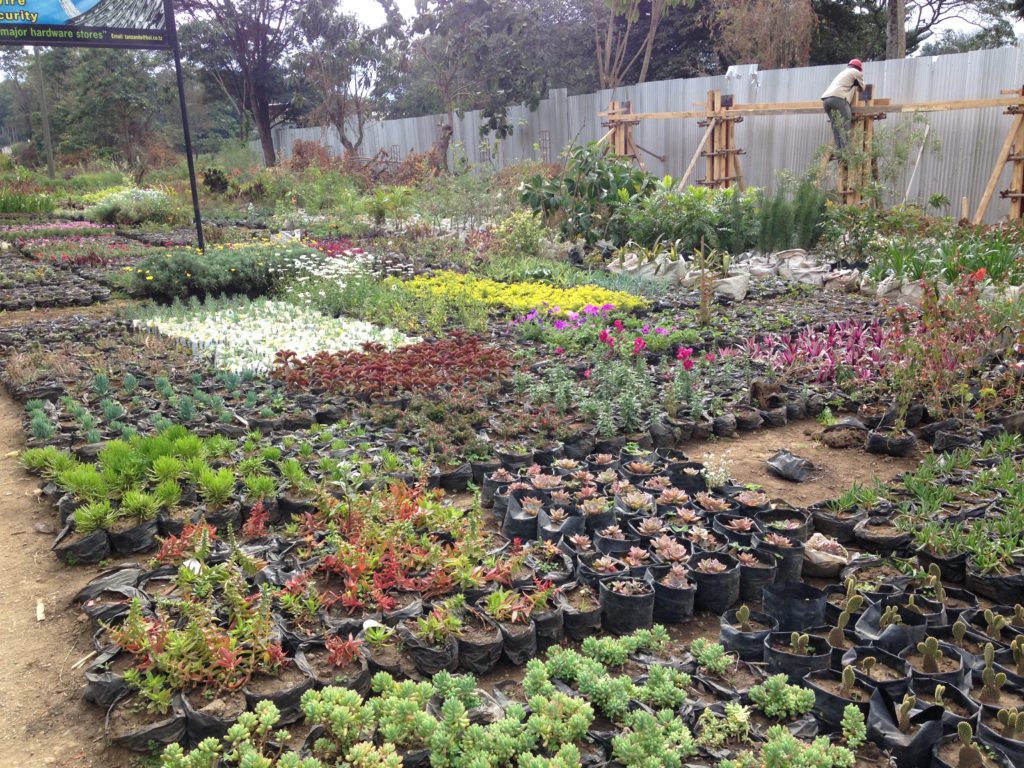
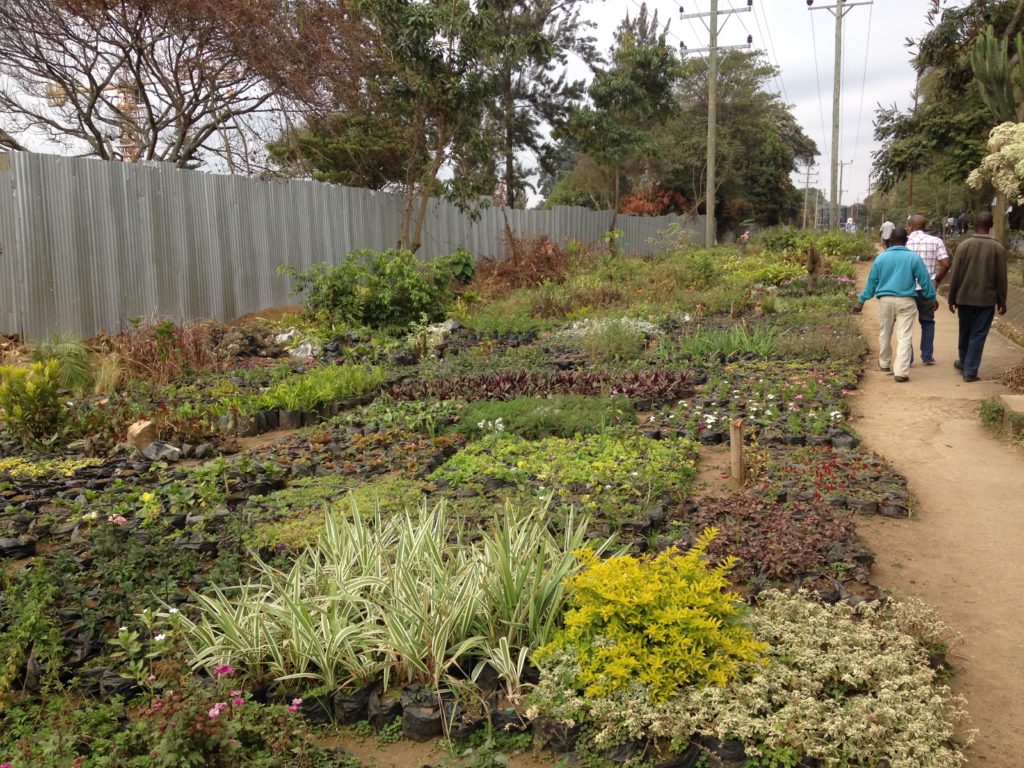
    One of the most common commercial activities for Arusha inhabitants are nurseries. Once in the city you definitely notice them on the sides of the main streets, a lot of of plants, flowers and trees ready to be planted in the garden. There are seasonal, perennials, fruit trees and garden trees, can meet any need and preference.

    Personally I bought a lot at these plants, flowers and tress and the quality is excellent, here I also purchased a “small Christmas Tree”  for our garden which now is already a big tree and makes our Xmas time really nice with a lot of red flowers.

    To organize your safari in Tanzania and visiting Arusha can consult My Savannah Explorers website.

    [Metaslider id = 651]

  • What’s a mobile tented camp in Tanzania?

    What’s a mobile tented camp in Tanzania?

    During the safari the best accommodation for a real safari experience is the tented camp. This is a bit special kind of accommodation and there are many questions and some concerns about it. This article will explain what it is and how it works.

    What is a mobile tented camp?

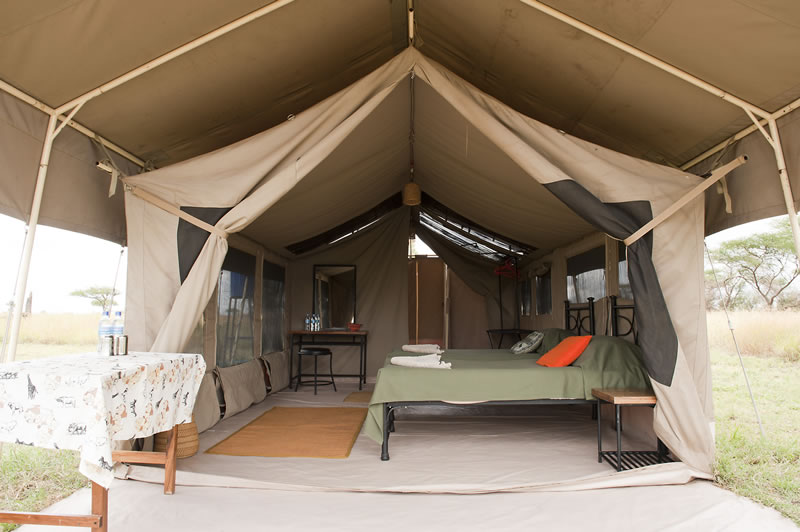
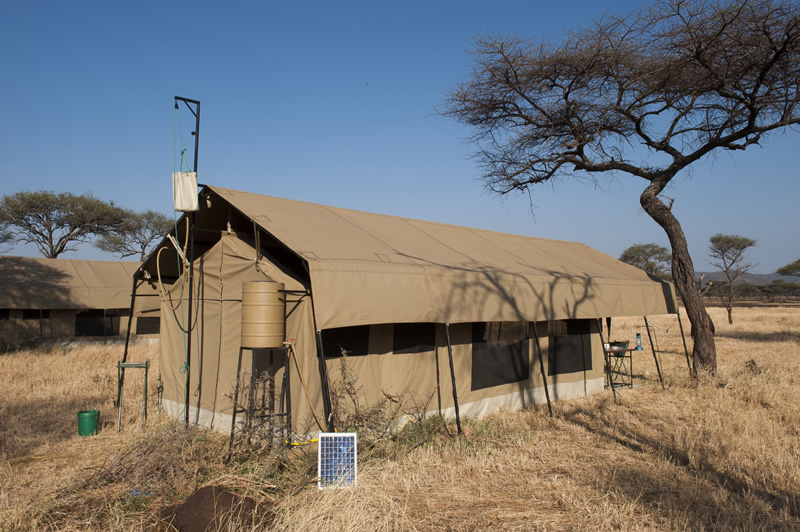
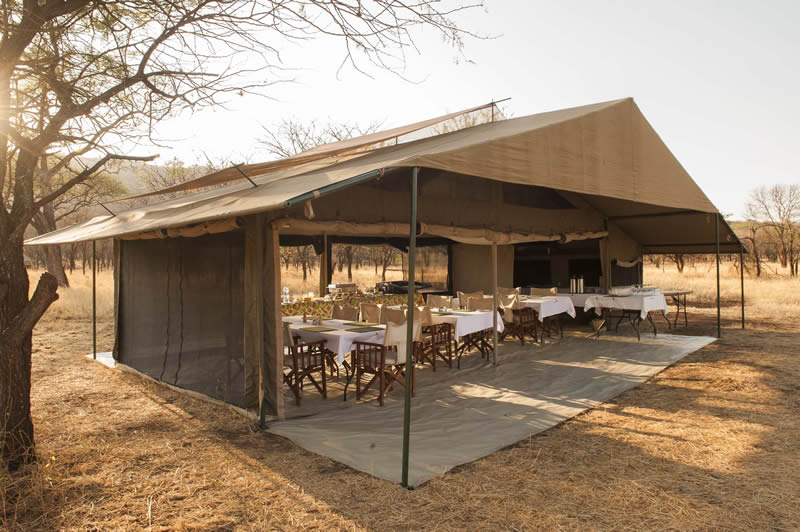
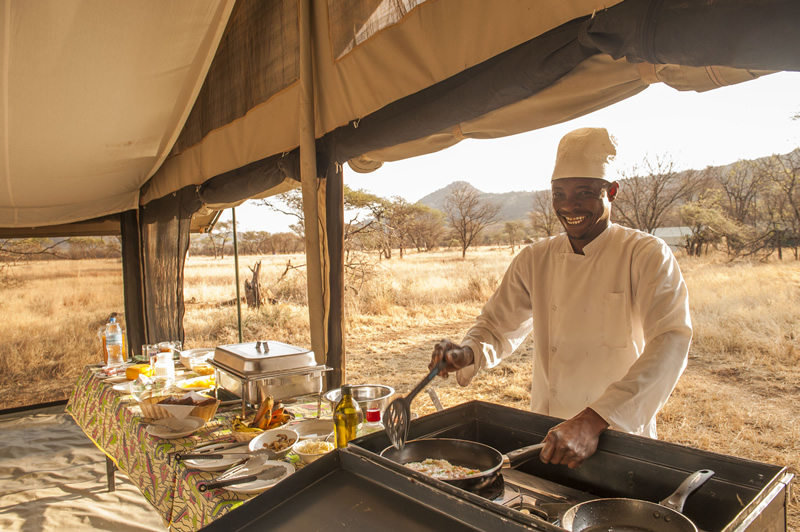
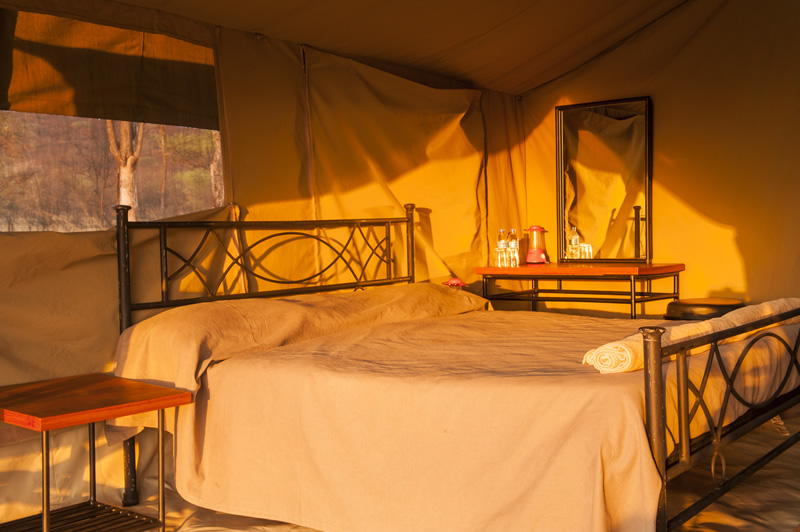
    The tented camp is similar to a lodge or hotel but there are not concrete walls, only canvas. The rooms are semi-permanent tents, as big as a hotel room, with bathroom, shower and running water. Usually the camps moves to another location every 3-6 months. Here is some photos so that you can have a better idea.

    How does Mobile Tented Camp work in Tanzania?

    In the tent there is electricity so you have light during all the night, sometimes there are also plugs or extension to recharge batteries, phone and use the hair dryer. In some cases, batteries and a hair dryer can be used only in the common area when the generator is on, usually from 18-19 to about 23.

    The hot water for the shower is brought on request and loaded into the external tank, better do right away to avoid the shower to cool. Water is a valuable resource to the tented camp because the staff has to transport by supply car and tanker, but if the water is not enough we can still ask the staff. Usually they provide 25 liters for the shower.

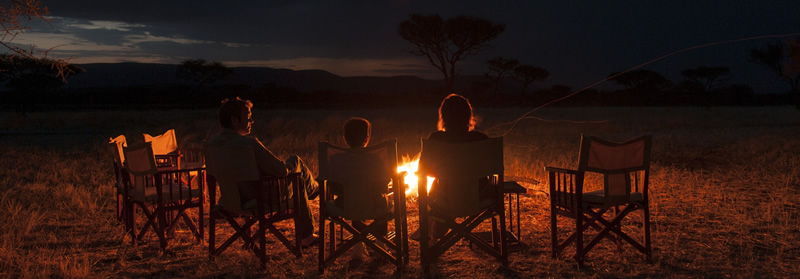
    Breakfast, lunch and dinner are served in the restaurant tent, where you will find the buffet or the waiter ready to serve you. In the evening they set a camp fire and it is common sit around the fire before and after dinner for stories, jokes and share pictures while drinking a cup of coffee or a beer.

    At night wild animals come close to the tents, you can hear their calls and guess what it is. The next morning you’ll know if you guessed correctly asking your safari guide.

    For more information about the safari in Tanzania you can check out my site Savannah Explorers.


  • Yellow Fever and safari in Tanzania

    Yellow Fever and safari in Tanzania

    Booking a safari in Tanzania it is important check which vaccinations are compulsory and which are recommended for the trip.

    Vaccinations

    There are no mandatory vaccinations to enter Tanzania. Usually doctors recommended hepatitis, typhoid and malaria prophylaxis, if necessary, consult your doctor or local health authorities.

    We recommend using insect repellent and mosquito nets to prevent bites, although there are not many mosquitoes and the likelihood of contracting diseases is very low.

    During the safari, trekking or stay the sea, the sanitary standards are equivalent to Western countries, if you visit Tanzania as volunteer it could be different.

    Yellow fever

    Vaccination against yellow fever is mandatory only if you are coming from endemic areas. The airport stopover is not taken into consideration if it’s less than 12 hous. If you are asked for a yellow fever vaccination certificate upon arrival at the airport explain to the custom officer you left from your country and not from the country where you had a stopover.

    In the case of road transfer from Nairobi (or other endemic areas) to Arusha (or other destinations in Tanzania) the yellow fever vaccination certificate is mandatory.

    If a person due to medical or health reasons can not be vaccinated, he must present a medical certificate (preferably in English) stating the impossibility to undergo such vaccination.

    If you need more information and want to organize your safari in Tanzania beautiful, visit my website Savannah Explorers.


  • What about internet and wifi connection while on safari in Tanzania?

    What about internet and wifi connection while on safari in Tanzania?

    Even during a safari in Tanzania, in the middle of the bush and crossing the savannah you need internet to send Whatsapp messages home, read emails, check-in online and so on.

    In this article I give you more information about internet connection in Tanzania

    Internet coverage in Tanzania

    In general, the internet coverage in Tanzania is good. In main cities such as Arusha and Dar Es Salaam it is quite fast and also inside the parks it generally works. In some areas such as Lake Natron, Mara and Ndutu Serengeti the connection is not good but in general while on safari in northern Tanzania we can connect to the internet almost every day.

    How can I connect to internet?

    In Arusha and in the big cities there are several internet cafe and bars where we can drink something and connect to internet for free. During safari in several lodges and tented camps there is free wi-fi in public areas such as the bar and lobby so first of all you can use the wi-fi at the lodge. Usually mobile tented camps don’t have wifi at all.

    You can also buy a local SIM for voice and data traffic,.it is rechargeable SIM cards and the cost for data traffic is available to everyone. In this way you can read the email and connect to the Internet from your smartphone or tablet. Currently the best providers are Airtel and Vodacom. Tigo will brings 4G to Dar Es Salaam, Arusha, and the major cities of Tanzania, this is an option if you need a fast connection in the main cities.

    Don’t worry about internet connection, you will be able to send messages home. If you need more information about the safari in Tanzania you can check out my site Savannah Explorers.


  • What do you bring? The Safari suitcase

    What do you bring? The Safari suitcase

    We often have doubts before leaving for the safari, for example, which bag to use and what to put in it … with this article I will try to give some guidance and advice in this regard.

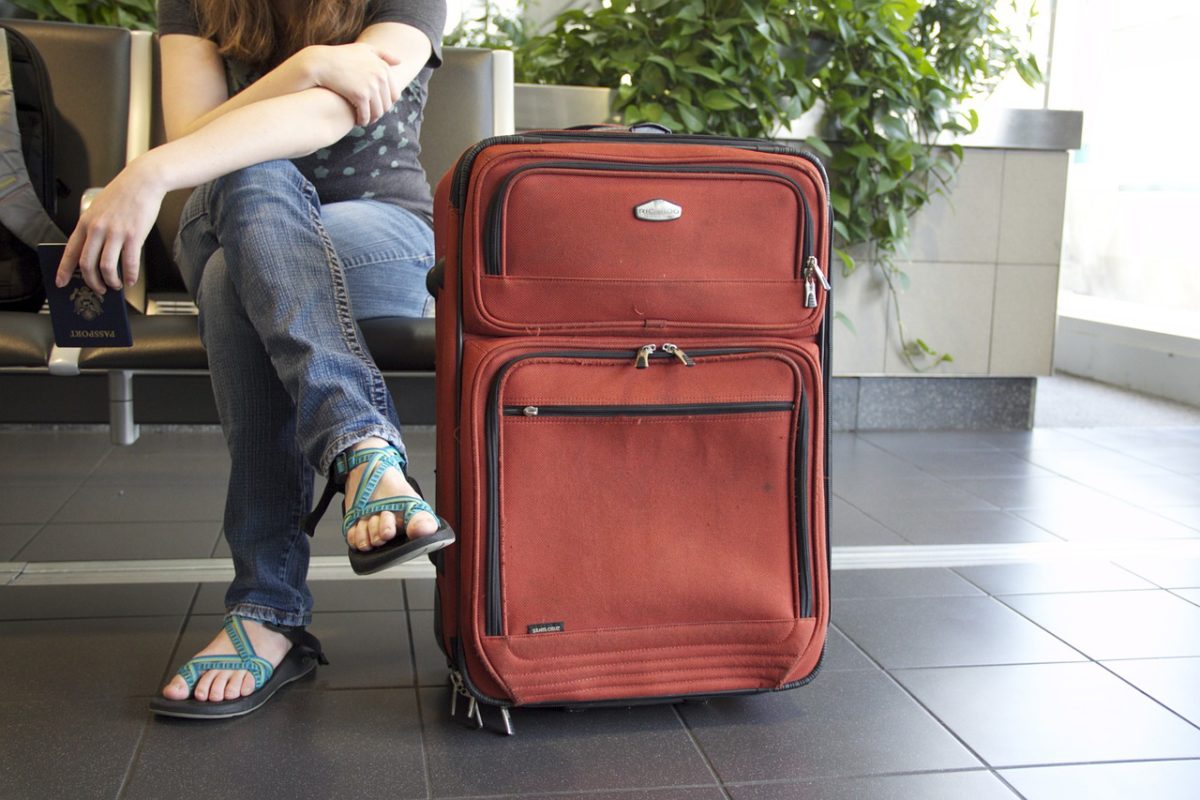
    First of all it is advisable to have two bags: a small backpack to always keep with you and a duffel bag or suitcase with our actual luggage.

    The backpack will be used to carry with us every day camera, sweatshirt, sunscreen, hat for the sun, or otherwise.

    In the bag or suitcase we put clothes, shoes, personal care products and so on. Usually a soft bag is more practical, but also a hard case can fit.

    Another advice I give is to divide the luggage in transparent plastic bags (zip lock or similar, common plastic bags are now banned in Tanzania), that way it will be easier to keep tidy the luggage and find the things you need. It ‘also good to have a towel or a plastic bag to cover your luggage, to protect it from dust and any unexpected showers (especially if the luggage is loaded on the roof of the jeep).

    In some cases it is convenient to leave the luggage to take it back to Arusha after climbing or after the safari. For example, you can leave what you need for the beach in Arusha and resume it at the end of safari or scalata.Possiamo keep your luggage until your return.

    Baggage weight

    It is usually allowed at least one hold baggage of 20 kg and a 7-8 kg of hand baggage (check with the airline). Ethiopian Airlines allows you to bring two bags of 23 Kg each cargo hold, more hand luggage.

    CAUTION: If you are scheduled local flights with small aircraft (eg flights or Coastal Tropical Air) there may be more restrictions, such hold baggage 15 kg in soft case and hand luggage 5 kg.

    It ‘also good to have a baby carrier (or similar) where you keep valuables and documents. Do not bring along expensive jewelry. The village is very quiet, but it is good practice to avoid flaunting wealth to avoid attracting any maleintenzionati which unfortunately never fail in any part of the world.

    Clothing and more

    Usually it is hot, but the early morning or evening could make fresh, so it is best to dress in layers to cover / uncover depending on the circumstances and the time of day.

    Here is a list of what is good to take with us:

    cotton pants, sneakers or hiking boots (though comfortable), T-shirts, sweatshirt or fleece long-sleeved, windproof jacket. Swimsuit and flip-flops / sandals for the shower / pool / sea. Fanny pack.

    Sun Hat, sunglasses, sunscreen (high protection) and moisturizer, bandana to the wind, insect repellent.

    Each has its own sensitivity to heat, cold and sun exposure. Accordingly. Better to have a jacket / fleece that is not used, rather than suffer the cold. Beware of the sun, you are close to the equator (!!), so a hat and sunscreen for everyone.

    Products for personal hygiene: wet wipes and / or tissues.

    You can also bring a portable hair dryer even if it’s hot and in some lodge is included in the bathroom, but there is not always current to use it.

    For campers recommend bringing towel (or bathrobe), a power and their own sleeping bag stack (for camping safari only, not for the tented camps).

    also we bring a bit of patience. Tanzania is an African country, rhythms are a little different from ours. You will soon learn the meaning of “pole pole”.

    medicines

    You can bring generic drugs (antipyretic, eye drops, anti-inflammatory, broad-spectrum antibiotic, bowel / antidiarrheal disinfectant) and do not forget any medications that you take regularly.

    Advice: do not drink the tap water.

    Photo and video

    There are no limitations for cameras of any kind or camcorders. It is strongly recommended to bring along a good number of memory card and extra batteries because the spot is difficult find such material. It may also want to use cases (or plastic bags) for the protection of equipment from the sand / dust. To recharge the batteries of plug sockets may be different from Italian, so it is best to obtain a universal plug (English type).

    Recall that in the majority of African countries is strictly forbidden to photograph airports, military installations and vehicles, government buildings, bridges, soldiers in uniform.

    The Masai sometimes ask a small tip to be photographed, and it is good to always ask permission to people before you photograph them, but in any case you can seek advice from your guide.

    It ‘very useful to carry a pair of binoculars and / or a telephoto lens of at least 200-300 mm (The bonicolo is usually available on the Jeep).

    Phone Calls and Internet

    The phone works almost everywhere (before leaving home to be able to make international calls and any costs with your operator). To call Italy to use the international prefix +39. The international dialing code of Tanzania is +255. And ‘possible to buy a local prepaid card with data traffic to use email, Skype or whatever.

    See also: There is internet while on safari in Tanzania?

    Often in the lodge and the hotel is available internet or WIFI connection and depending on the hotel / lodge is available for free or for a fee.

    If you need more information and want to organize your safari in Tanzania beautiful, go to Savannah Explorers.