Category: Tanzania Weather

  • Tanzania in December: Holiday Season, Green Landscapes & the Road to Calving

    Tanzania in December: Holiday Season, Green Landscapes & the Road to Calving

    December is when Tanzania fills up again, but not because of the weather. It’s the holidays. Christmas and New Year drive a spike in demand, and the safari + Zanzibar combo becomes one of the year’s most sought-after trips.

    The weather in Tanzania in December cooperates more than you’d expect: temperatures sit at 16–28°C in the northern parks, the vuli (short rains) are lighter than November’s, and the Serengeti receives around 105 mm over 16 days, mostly as afternoon showers that clear by evening.

    On the ground, something bigger is building.

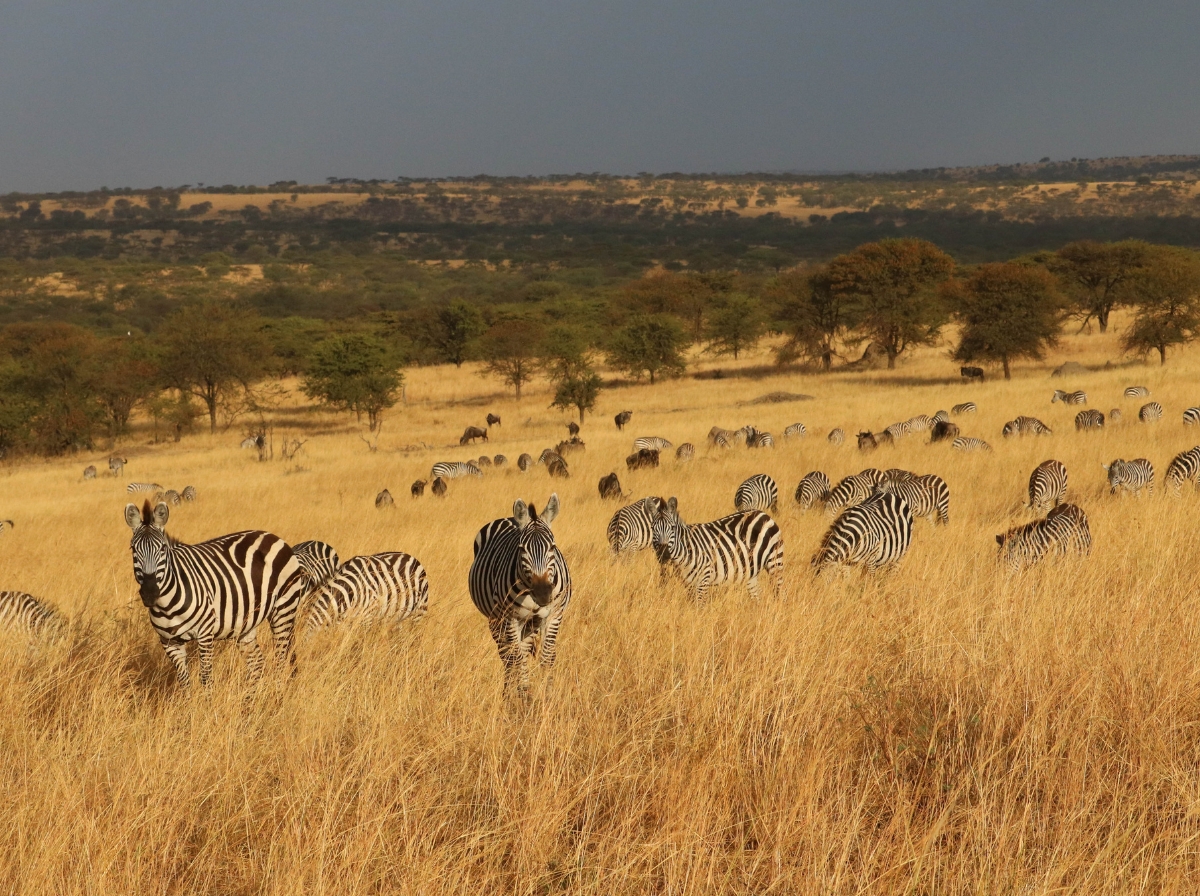
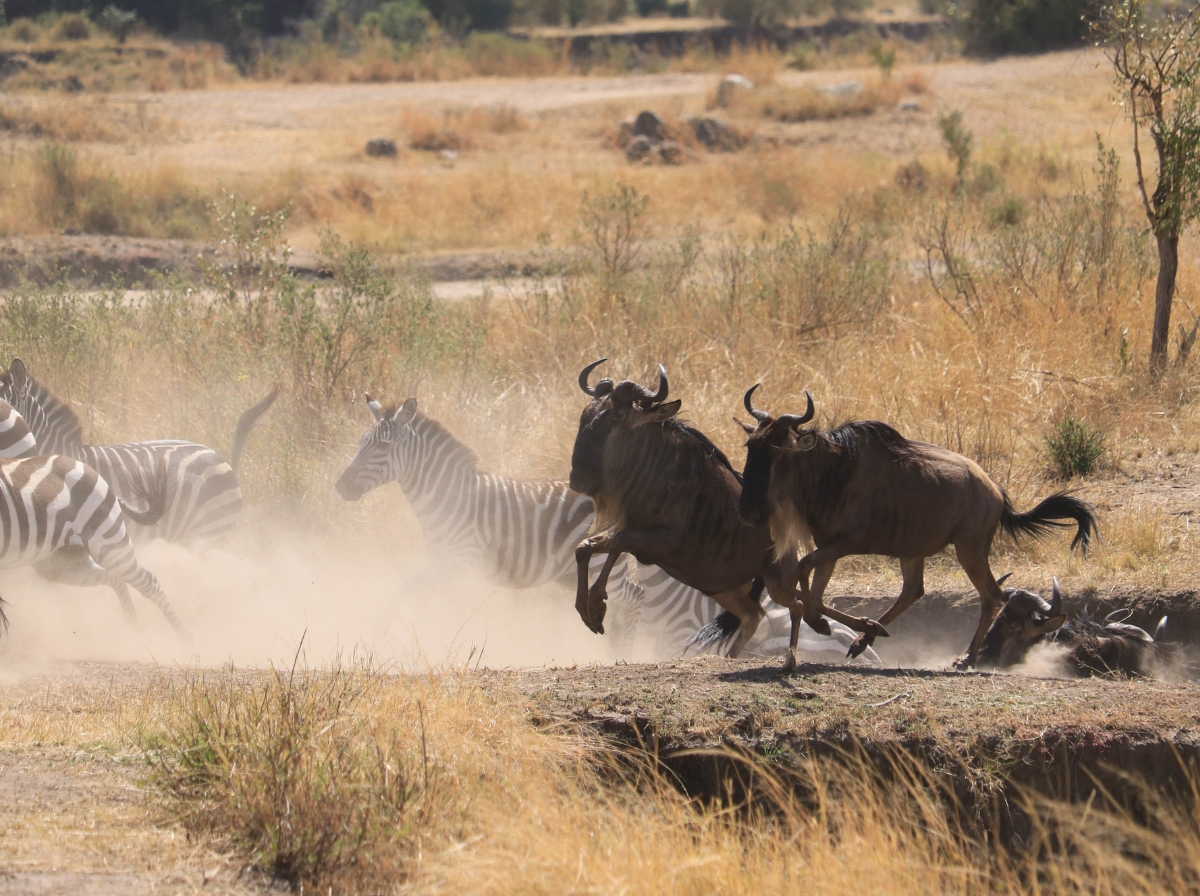
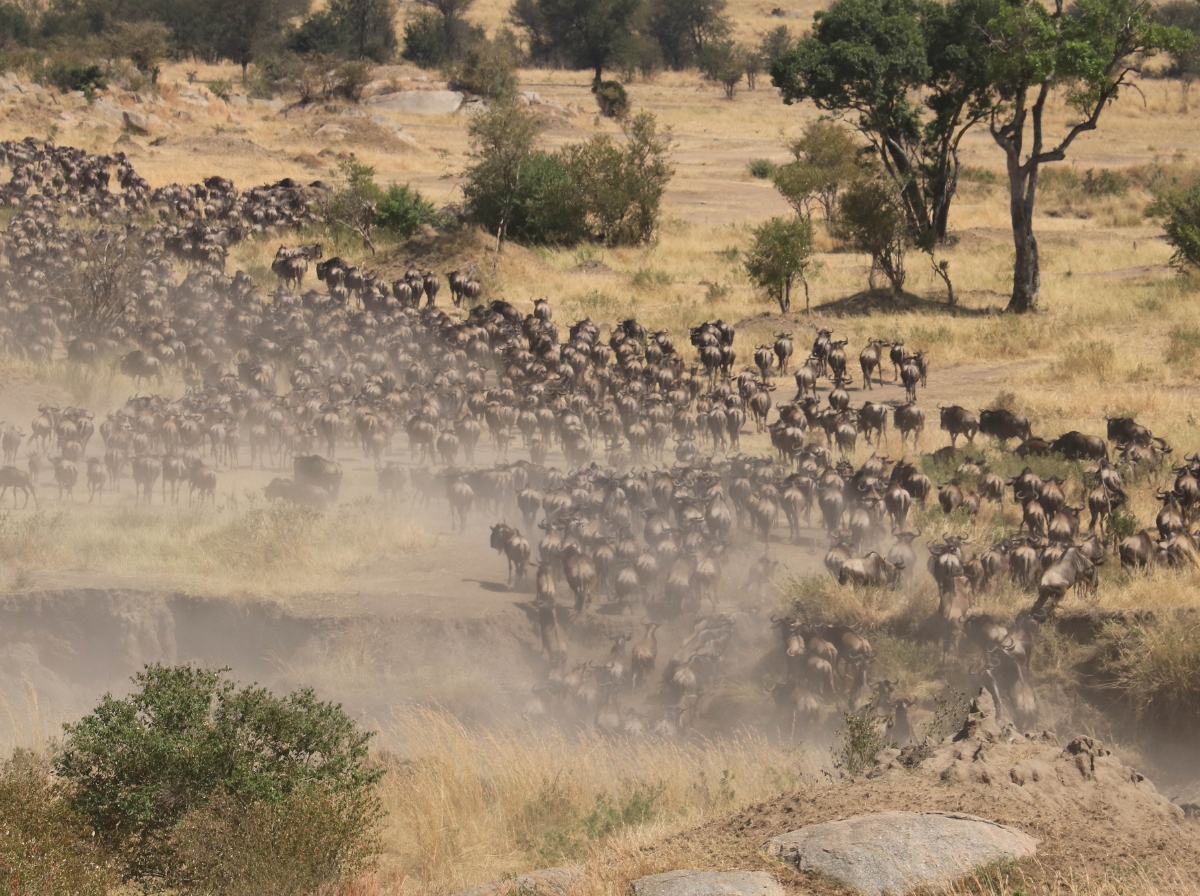
    The wildebeest herds are pushing south through the Central Serengeti toward the Ndutu plains and the Ngorongoro Conservation Area, following the rains to the nutrient-rich grasses where the calving will begin in January.

    After 14 years of hosting holiday-season guests in Arusha, I can say December delivers a unique mix: green landscapes, active wildlife, whale sharks off the coast, and the anticipation of what’s coming next. For the full climate picture, see our Tanzania Climate guide.

    Key Weather & Travel Details for December

    • Temperatures: 16–28°C (61–82°F) in the northern parks; 23–32°C (73–90°F) on the coast. Hot on the coast, pleasant at altitude
    • Rainfall: Easing from November. Around 105 mm in the Serengeti over 16 days, 90 mm in Arusha over 15 days. Afternoon showers, mornings clear
    • Beaches (Zanzibar): Hot (32°C+), sea at 29°C, occasional showers but generally good. Whale shark season begins off the coast
    • Packing: Light rain jacket, breathable clothes for the heat. Warm layer for pre-dawn game drives at altitude. Sunscreen essential

    Safari Conditions in December

    December is a strong month for a safari in Tanzania, even with the vuli still present. The rains are lighter than November and come in predictable afternoon patterns. Mornings are clear, game drives run smoothly, and the landscape is lush and green.

    The main draw is the Great Migration’s southward push. The herds are moving through the Central and Southern Serengeti, and by late December the first groups reach the Ndutu area. Pregnant females are visibly heavy, and the predators are shadowing the columns.

    I always feel the tension building. January’s calving spectacle is just weeks away, and you can sense it in how the ecosystem is arranging itself.

    Regional Weather Breakdown

    • Zanzibar archipelago: Hot and humid (32°C+), sea at 29°C. The kaskazi (NE monsoon) is building, bringing warm, moist air. Occasional showers, but long sunny stretches between them. Whale sharks arriving off the coast
    • Northern Safari Circuit (Serengeti, Ngorongoro, Tarangire, Lake Manyara): Vuli still present but easing. Warm days (28°C), cool mornings (16°C). Green landscapes, good visibility between showers
    • Southern & Western Parks: Rains increasing. Some camps may close. Northern Circuit is the better focus for December
    • Kilimanjaro: Secondary trekking window opens (Dec–Feb). Longer days, mild base temperatures (25–30°C). Rain is possible, but conditions are generally workable

    Travel Highlights & Considerations

    • Great Migration approaching Ndutu: The herds push south through the Serengeti toward the calving grounds. By late December, the first groups reach the Ndutu area and the Ngorongoro Conservation Area. The Ndutu Great Migration Safari begins during this period
    • Holiday season pricing: Prices rise for Christmas and New Year. The holiday spike is real, especially for Zanzibar beach resorts and popular Serengeti camps. Book well in advance for late December
    • Safari + Zanzibar combo: This is the most in-demand month for the combination. A week of safari in the Northern Circuit followed by a few days on Zanzibar makes for an ideal holiday trip, and the weather supports both
    • Whale sharks at Zanzibar: The season begins in December and runs through February. Whale sharks feed close to the surface off the northwest coast of Zanzibar, and snorkeling trips are widely available

    What Most Travelers Don’t Know About December

    December has two angles that don’t make it into most travel guides.

    • Early December is still low season: The holiday rush doesn’t start until around the 20th. The first three weeks of December offer November-level pricing with slightly better weather. If your dates are flexible, early December is excellent value
    • The herds arrive before the calving starts: By late December, the Southern Serengeti is filling up with wildebeest, but the calving doesn’t peak until February. What you get in December is the buildup: huge herds concentrating, predators positioning, and a landscape that’s green and full of life without the February crowds

    How December Compares to November and January

    November is deeper into the vuli: more rain, fewer visitors, lower prices. December eases the rain, adds the holiday-season energy, and brings the herds further south.

    January is when the kiangazi dry pause begins, the calving starts, and the Serengeti enters its best-known phase. If December is the setup, January is the opening act. Travelers who visit in late December often catch the first hints of what’s to come.
    Sources

  • Tanzania in November: the Short Rains Aren’t What You Think

    Tanzania in November: the Short Rains Aren’t What You Think

    The word “rainy season” scares people away from Tanzania in November, and honestly, that works in your favor. The vuli (short rains) are nothing like the heavy masika of March–May.

    They arrive as brief afternoon showers, rarely last more than an hour, and almost never cancel a game drive. The weather in Tanzania in November sits at 16–28°C in the northern parks, with the Serengeti receiving around 115 mm over 17 days, mostly in short bursts.

    The real story of November is what’s happening on the ground.

    The wildebeest herds are returning from Kenya’s Masai Mara, pouring back into the Northern and Central Serengeti.

    Migratory birds arrive from Europe and northern Africa. The landscape turns green after months of dust.

    I’ve always thought of November as the month where Tanzania resets. The dry season’s over, the crowds have gone home, and the ecosystem starts its next cycle. If you’re flexible on weather and looking for value, this is one of the most sensible months to visit. For the full climate picture, see our Tanzania Climate guide.

    Key Weather & Travel Details for November

    • Temperatures: 16–28°C (61–82°F) in the northern parks; 21–31°C (70–88°F) on the coast. Warm, humid, building toward the hot season
    • Rainfall: Vuli established. Around 115 mm in the Serengeti over 17 days, 120 mm in Arusha over 15 days. Rain comes in brief afternoon bursts, mornings are typically clear
    • Beaches (Zanzibar): Occasional afternoon showers, but still enjoyable. Warm (31°C+), sea rising to 28°C. Not the best beach month, but far from the worst
    • Packing: Light rain jacket, comfortable warm-weather clothing. Warm layer for mornings at altitude. Waterproof bag for electronics useful but not critical

    Safari Conditions in November

    November is better for a safari in Tanzania than most people expect. The vuli rains come in predictable afternoon bursts, which means morning and early afternoon game drives run without interruption. The grass is growing but still manageable, and the returning herds bring energy back to the Serengeti.

    What I notice most is the light. After the first rains wash the dust out of the air, the morning light across the plains is clean and sharp. Photographers love it.

    The contrast between green grass and golden light makes for images that look nothing like the dry-season Serengeti everyone has seen before. And with visitor numbers at their lowest, you have the space to set up properly for a shot.

    Regional Weather Breakdown

    • Zanzibar archipelago: Warm and increasingly humid. Afternoon showers are common but usually short. The kaskazi (NE monsoon) is building. Sea at 28°C. Still viable for a beach extension, though December and January are more reliable
    • Northern Safari Circuit (Serengeti, Ngorongoro, Tarangire, Lake Manyara): Vuli showers, mostly afternoon. Mornings still cool (16°C), afternoons warm and humid (28°C). All parks open. Green landscapes returning
    • Southern & Western Parks: Rains beginning. Some camps may close later in the month. Northern Circuit is the safer focus
    • Kilimanjaro: Not ideal. Increased rain risk makes trails wet and visibility unpredictable. Better to wait for the December–February secondary window or the June–October primary season

    Travel Highlights & Considerations

    • Great Migration heading south: The herds stream back from the Masai Mara into the Northern and Central Serengeti, beginning the journey toward the Ndutu calving grounds. This movement continues through December
    • Lowest prices outside April: Deep low season. Lodge rates drop significantly, availability is wide open. For couples and budget-conscious travelers, the value is strong
    • Migratory birds arrive: European and northern African species flood in, many in breeding plumage. Lake Manyara and Tarangire are rewarding for birders
    • Green season photography: Storm clouds, clean post-rain light, and vivid green vegetation create a completely different Serengeti from the dry-season images everyone knows

    What Most Travelers Don’t Know About November

    November has two things going for it that most planning guides ignore.

    • The vuli rarely ruins a safari: The short rains are genuinely short. In my experience, a typical November day starts clear, stays clear through the morning game drive and lunch, and produces a shower around 3–4 PM that’s over by 5. Afternoon game drives sometimes start 30 minutes late. That’s it
    • The Serengeti is never empty of wildlife: Even though the Great Migration is in transit, the Serengeti has enormous resident populations of lions, leopards, cheetahs, elephants, giraffes, hippos, and buffaloes. The migration is a bonus, not the whole show

    How November Compares to October and December

    October is the tail end of the dry season: warm, dusty, first vuli showers arriving late. By November, the rains are established and the landscape has shifted to green.

    December continues the vuli but transitions toward the kiangazi dry pause. The herds move further south, and by late December the first pregnant females reach the calving grounds. Similar experience to November, with calving season just around the corner.

    Sources

  • Tanzania in October: the Dry Season’s Last Act

    Tanzania in October: the Dry Season’s Last Act

    <

    October is the month that divides opinion. Some travelers avoid it because the vuli (short rains) can start in the second half. Others seek it out precisely for that reason: shoulder-season pricing, fewer visitors, and safari conditions that are still genuinely strong.

    The weather in Tanzania in October is warm (16–29°C in the northern parks), with the landscape at its driest and wildlife concentrated at the last remaining water sources.

    Rainfall starts creeping back in, with the Serengeti seeing around 70 mm over 10 days, though most of it falls in the final week.

    After running safaris through dozens of Octobers, my view is straightforward: early October delivers dry-season quality at shoulder-season prices.

    Late October is a gamble on weather, but the wildlife doesn’t care either way. For the full climate picture, see our Tanzania Climate guide.

    Key Weather & Travel Details for October

    • Temperatures: 16–29°C (61–84°F) in the northern parks; 20–31°C (68–88°F) on the coast. The warmest month of the dry season. Can feel hot at lower altitudes
    • Rainfall: Increasing. Around 70 mm in the Serengeti over 10 days, 45 mm in Arusha over 9 days. First two weeks usually dry, vuli may begin in the second half
    • Beaches (Zanzibar): Warm (31°C+), sea rising to 27–28°C. Still mostly dry in early October, occasional showers later. Good for beach, though November is less predictable
    • Packing: Light rain jacket becomes useful again. Warm layers for mornings still needed at altitude. Sunscreen essential, as the sun is near its strongest

    Safari Conditions in October

    Early October is still excellent for a safari in Tanzania. The landscape is at its driest and most open. Waterholes are at their lowest levels, which means animals have nowhere to hide, and predator-prey dynamics play out right in front of you. Dust rises from the plains, the grass is golden, and visibility is as good as it gets.

    By late October, the first vuli showers may arrive. When they do, the change is immediate: the air cools, the dust settles, and within days the first green shoots appear. I’ve always liked this transitional moment. It’s not the postcard-perfect dry season, but there’s an energy to the landscape that feels like the Serengeti is taking its first breath after months of drought.

    Regional Weather Breakdown

    • Zanzibar archipelago: Warm and mostly dry in early October. The kusi has ended, breeze shifts to lighter pre-kaskazi pattern. Occasional showers possible late month
    • Northern Safari Circuit (Serengeti, Ngorongoro, Tarangire, Lake Manyara): Warm days (29°C), mornings still cool (16°C). Dry early, first rains possible late month. Tarangire outstanding: elephants, buffalo, and predators concentrated around the river
    • Southern & Western Parks: Still in prime condition. Katavi reaches its peak, with massive hippo concentrations (hundreds in shrinking pools) and excellent predator sightings
    • Kilimanjaro: Clear weather normally holds through October. Summit visibility among the clearest of the year

    Travel Highlights & Considerations

    • Great Migration returning south: The herds begin trickling back from Kenya’s Masai Mara into the Northern and Central Serengeti. The return is more gradual and spread out than the northward push, but large groups are present throughout the month
    • Shoulder-season value: Prices drop from peak-season levels, and availability improves. Early October is one of the strongest value windows of the year for a high-quality safari
    • Katavi hippo pools: The Katuma River shrinks to muddy pools packed with hundreds of hippos, crocodiles, and predators. Four of the Big Five are present (only rhino absent). Genuinely off the beaten path
    • Kilimanjaro clarity: The Sep–October window offers the clearest summit views of the year

    What Most Travelers Don’t Know About October

    October has two angles that rarely appear in the standard guides.

    • The Serengeti smells different: This sounds odd, but it’s something every guide notices. When the first vuli showers hit the sun-baked ground, the release of petrichor across the plains is extraordinary. The landscape shifts from golden brown to the first hints of green within days, and the resident animals visibly respond
    • Tarangire in October rivals the Serengeti: With water sources at their absolute lowest, Tarangire draws some of the densest wildlife concentrations in East Africa. The elephant herds, in particular, are among the largest you’ll see anywhere on the continent

    How October Compares to September and November

    September is still fully dry season: reliable weather, excellent game viewing, slightly higher prices. October starts the same way but introduces late-month rain. The trade-off is better pricing and fewer visitors.

    November brings the vuli properly: more consistent rain, greener landscapes, calving cycle restarting further south. If you want dry-season certainty, stick with early October. If you’re comfortable with variability, the second half still offers great wildlife at lower prices.

    Sources

  • Tanzania in September: Peak Conditions, Fewer Crowds

    Tanzania in September: Peak Conditions, Fewer Crowds

    If I had to pick one month to recommend to a first-time visitor who wants everything, I’d seriously consider September.

    The weather in Tanzania in September is still firmly in dry season territory: 15–28°C in the northern parks, minimal rain, and clear skies.

    But unlike July and August, the crowds have started to thin and some operators begin offering shoulder-season rates.

    The last Mara River crossings are still possible in the Northern Serengeti, Kilimanjaro has some of the clearest summit visibility of the year, and the Zanzibar archipelago is at its most pleasant: dry, warm, calm seas, and turtle hatching season on several beaches.

    September is when experienced safari travelers come. They know the conditions are still excellent and the pressure of peak season has eased. For the full climate picture, see our Tanzania Climate guide.

    Key Weather & Travel Details for September

    • Temperatures: 15–28°C (59–82°F) in the northern parks; 18–30°C (64–86°F) on the coast. Warming up. Afternoons can feel hot at lower altitudes
    • Rainfall: Still dry. Around 55 mm in the Serengeti over 7 days, 15 mm in Arusha over 4 days. First hints of moisture may appear late in the month, but nothing that disrupts a safari
    • Beaches (Zanzibar): Excellent. Dry, warm, the kusi has faded and seas are calm. Sea temp rising back to 26–27°C
    • Packing: Warm layers still needed for mornings, but daytime is warmer than July–August. Sunscreen is essential as the sun reaches near-zenith in late September

    Safari Conditions in September

    September is still peak-quality safari in Tanzania, even if the calendar says the season is winding down. Vegetation remains short, water sources are at their lowest, and wildlife concentrations around rivers and waterholes are among the strongest of the year.

    What’s different from the previous two months is the feel. The parks are noticeably quieter, the guides are more relaxed, and the experience feels less like a conveyor belt.

    I’ve always found September to be the month where the Serengeti feels most like a private reserve. The Mara River Great Migration Safari still runs during this period, though the last crossings become less predictable as the herds begin drifting into Kenya’s Masai Mara.

    Regional Weather Breakdown

    • Zanzibar archipelago: One of the most pleasant months. Dry, warm, calm seas, low humidity. Turtle hatching season on several beaches adds something unique. The kusi has faded, so both east and west coasts are equally pleasant
    • Northern Safari Circuit (Serengeti, Ngorongoro, Tarangire, Lake Manyara): Clear and warming. Mornings cool (15°C), afternoons warm (28°C). Tarangire elephant herds still massive. Ngorongoro rim still cold at night
    • Southern & Western Parks: Excellent. Ruaha and Nyerere still in prime dry-season form, even quieter than in August
    • Kilimanjaro: Outstanding trekking conditions. September and October offer the clearest summit visibility of the year. Slightly fewer climbers than July–August

    Travel Highlights & Considerations

    • Great Migration, final act in Tanzania: The last Mara River crossings may still happen in early September, but by mid-month the bulk of the herds have crossed into Kenya. If the migration is your priority, book for the first week
    • Prices starting to ease: Some lodges and camps begin transitioning to shoulder-season rates in mid-to-late September. You get dry-season quality at a better price point
    • Zanzibar at its calmest: The combination of dry weather, calm seas, comfortable temperatures, and turtle hatching makes September the strongest month for a beach extension. I always recommend it for safari + beach itineraries
    • Kilimanjaro visibility: The September–October window is when cloud cover is at its lowest on the mountain. Summit-day views of Mawenzi and the crater are at their clearest

    What Most Travelers Don’t Know About September

    September rewards travelers who look beyond the headline months.

    • The Serengeti empties out before the wildlife does: The herds don’t all leave at once. While many wildebeest push north into Kenya, large groups remain in the Northern and Central Serengeti. Meanwhile, the resident predators (lions, leopards, cheetahs, hyenas) stay year-round. The game viewing is still outstanding, just with fewer vehicles
    • Turtle hatching on Zanzibar: Green and hawksbill turtles nest on several Zanzibar beaches, and September is peak hatching season. Watching tiny hatchlings make their first dash to the ocean is one of those moments guests remember long after the safari

    How September Compares to August and October

    August is still full peak season: maximum crowds, maximum prices, Mara crossings in full swing. September delivers nearly identical conditions but with noticeably fewer visitors and prices that begin to soften.

    October is the true transition month. The dry season ends, the vuli (short rains) may start in the second half, and the landscape begins to green up. If predictable dry weather matters to you, September is the safer choice.

    Sources

  • Tanzania in August: Mara Crossings, Dry Skies & the Busiest Month

    Tanzania in August: Mara Crossings, Dry Skies & the Busiest Month

    If you’ve read about July, you already know the picture. The weather in Tanzania in August is almost identical: dry, warm, and ideal across the board.

    Temperatures sit between 15°C and 27°C in the northern parks, rainfall stays negligible (around 30 mm in the Serengeti, 15 mm in Arusha), and the sky is clear from dawn to dusk.

    What does change is the crowd level. August is when European summer holidays peak, and Tanzania’s Northern Circuit fills up accordingly. It’s the busiest month of the year alongside July.

    That’s why I often steer guests toward two strategies: either book the Northern Circuit well in advance (6–12 months), or consider the Southern Circuit, where parks like Ruaha and Nyerere offer the same dry-season quality with a fraction of the visitors. For the full climate picture, see our Tanzania Climate guide.

    Key Weather & Travel Details for August

    • Temperatures: 15–27°C (59–81°F) in the northern parks; 18–29°C (64–84°F) on the coast. Warming slightly from July, but mornings are still cold at altitude
    • Rainfall: Virtually none. Around 30 mm in the Serengeti over 7 days, 15 mm in Arusha over 4 days. The driest month in Arusha
    • Beaches (Zanzibar): Dry and warm. Sea at its coolest (25.5°C) but still comfortable. The kusi winds begin to ease, improving conditions on the east coast
    • Packing: Same as July: warm fleece for mornings, light clothes for daytime. Dust levels increase as the landscape dries further, so a scarf or buff is useful

    Safari Conditions in August

    August delivers the same strong conditions as July. The vegetation keeps thinning, water sources keep shrinking, and game viewing across the Northern Circuit is at its strongest. As a safari operator, this is the month where I can say with confidence: you will see big cats, large herds, and dramatic predator-prey interactions on almost every game drive.

    In the Northern Serengeti, the Mara River crossings continue. The timing of individual crossings is unpredictable, but the herds are in the area and crossings happen frequently throughout the month. The Mara River Great Migration Safari covers this period.

    Regional Weather Breakdown

    • Zanzibar archipelago: Dry and pleasant. The kusi is fading, which means the east coast becomes calmer. Sea at 25.5°C. Good for diving, snorkeling, and beach
    • Northern Safari Circuit (Serengeti, Ngorongoro, Tarangire, Lake Manyara): Clear skies, cool mornings (15°C), warm afternoons (27°C). Ngorongoro rim still cold at night. Tarangire elephant herds at their biggest (200–300 individuals along the river)
    • Southern & Western Parks: Excellent and uncrowded. Ruaha has exceptional concentrations along the Ruaha River, and Nyerere (Selous) offers diverse wildlife along the Rufiji, including rare species like wild dogs and sable antelope
    • Kilimanjaro: Excellent trekking continues. August through October offers the clearest summit visibility of the year. Drier and slightly warmer than July

    Travel Highlights & Considerations

    • Great Migration crossings continue: The Mara River crossings are in full swing. By late August, some herds begin pushing into Kenya’s Masai Mara, but large numbers remain in the Northern Serengeti
    • Busiest month: European holiday season drives visitor numbers to their peak. The Northern Circuit is crowded, popular camps sell out months in advance. Plan accordingly
    • The Southern Circuit alternative: This is the insider move. While the Northern Circuit is packed, Ruaha and Nyerere deliver outstanding game viewing with far fewer vehicles. I’ve been sending guests south in August for years, and the feedback is always the same: “Why doesn’t everyone come here?”
    • Kilimanjaro summit views: August marks the start of the clearest window for summit visibility (Aug–Oct). If seeing Uhuru Peak against a cloudless sky matters to you, this is the time

    What Most Travelers Don’t Know About August

    August has a couple of angles that experienced travelers take advantage of.

    • The east coast of Zanzibar calms down: The kusi winds that kept the east coast choppy in June and July start to ease in August. Beaches like Paje and Jambiani become better for swimming, while still offering enough breeze for kitesurfing
    • Ruaha is one of Tanzania’s quietest big parks: Tanzania’s largest national park, with lions, elephants, buffalo, wild dogs, and black rhino along the Ruaha River. In August, you might spend a full morning at a waterhole watching the drama unfold without another vehicle in sight. I consider it one of the most overlooked parks in Africa

    How August Compares to July and September

    July and August are nearly interchangeable: same weather, same Mara crossings, same peak prices. August is slightly busier due to European holidays, and temperatures are marginally warmer.

    September begins the transition out of peak season. The herds start moving into Kenya, crowds thin, and some operators offer shoulder-season rates. Late September is worth considering if you want peak conditions with some relief on pricing.

    Sources

  • Tanzania in July: Peak Season & Mara River Crossings

    Tanzania in July: Peak Season & Mara River Crossings

    July is, for many travelers, the month to visit Tanzania. That’s not marketing; it’s what the weather, the wildlife, and 14 years of organizing safaris from Arusha have taught me.

    The weather in Tanzania in July is dry, cool, and stable: temperatures between 14°C and 26°C in the northern parks, just 15 mm of rain in the Serengeti, and virtually none in Arusha.

    More importantly, this is when the Great Migration reaches the Mara River in the Northern Serengeti. The crossings are one of the most dramatic wildlife events on the planet, and July is when they begin.

    The Zanzibar archipelago is at its driest and most comfortable, Kilimanjaro is in prime trekking condition, and every park in the country delivers. The trade-off? Prices are at their highest, and you need to book months in advance. For the full climate picture, see our Tanzania Climate guide.

    Key Weather & Travel Details for July

    • Temperatures: 14–26°C (57–79°F) in the northern parks; 18–29°C (64–84°F) on the coast. The coldest month inland. Early mornings in an open safari vehicle feel genuinely cold
    • Rainfall: The driest month. Around 15 mm in the Serengeti over 6 days, 15 mm in Arusha over 5 days. Rain is essentially absent
    • Beaches (Zanzibar): Perfect. Dry, warm, low humidity. Sea at 25–26°C. The kusi (SE trade winds) makes the east coast ideal for kitesurfing, while the north stays calm for swimming and diving
    • Packing: Warm layers for mornings: fleece, windbreaker, long pants, closed shoes. A dust scarf is useful as the landscape dries out. Sunscreen and binoculars essential

    Safari Conditions in July

    July is peak safari season in Tanzania. The grass is short, water sources are shrinking, and everything from elephants to lion prides clusters around the remaining rivers and waterholes. For a guide, it’s the easiest month to deliver great sightings.

    But the real reason July stands out is the Mara River. In the Northern Serengeti, the herds reach the banks and the first major crossings begin: wildebeest gather, hesitate, then pour across while Nile crocodiles attack from below. I’ve been organizing safaris around this moment for over a decade, and it never loses its intensity.

    The Mara River Great Migration Safari is built around exactly this window.

    Regional Weather Breakdown

    • Zanzibar archipelago: One of the driest, most comfortable months. Dry, comfortable, the kusi keeps humidity low. Sea at 25–26°C. Northern beaches (Nungwi, Kendwa) are calmer, while the east coast is windier and great for water sports
    • Northern Safari Circuit (Serengeti, Ngorongoro, Tarangire, Lake Manyara): Clear skies, cool mornings (14°C), pleasant afternoons (26°C). Ngorongoro rim drops below 10°C at night. In Tarangire, elephant herds are growing and can reach 200–300 individuals around the river
    • Southern & Western Parks: Fully open, dry, excellent. Nyerere (Selous) and Ruaha offer a quieter alternative to the crowded Northern Circuit
    • Kilimanjaro: Prime trekking month alongside June. Drier, cooler, safer conditions. The most popular month for summit attempts, so routes are busier

    Travel Highlights & Considerations

    • Great Migration at the Mara River: The headline event. The herds begin crossing the Mara River in the Northern Serengeti. Timing is unpredictable day to day, but July typically sees the first major crossings
    • Peak prices and crowds: Lodge rates at their maximum, Northern Circuit at its busiest. Book 6–12 months ahead. If budget matters, June offers similar conditions at lower rates
    • Tarangire at its peak: Massive elephant herds along the Tarangire River. Often underrated, but in July the wildlife density rivals anything on the Northern Circuit
    • Chimpanzees at Gombe: Gombe Stream National Park becomes easier for chimp trekking from July as the forest dries out

    What Most Travelers Don’t Know About July

    July is the most popular month, but a couple of things still surprise first-time visitors.

    • The cold catches people off guard: At 14°C on a moving safari vehicle at 6:30 AM, with wind chill, it feels closer to 5°C. I see it every season: guests packed for Africa, shivering through the first game drive. A proper fleece and windbreaker are not optional
    • The Southern Circuit is wide open: While everyone heads to the Serengeti and Ngorongoro, parks like Ruaha and Nyerere (Selous) offer outstanding July game viewing with a fraction of the visitors. If solitude matters to you, head south

    How July Compares to June and August

    June is the opening act: Grumeti crossings, slightly lower prices, fewer visitors. July is the main event: Mara River crossings begin, conditions peak, and the Serengeti is at its most active. But it’s also the busiest and most expensive.

    August continues what July starts, with more Mara crossings and similar weather. The difference is subtle: July tends to have slightly fewer visitors than August, when European summer holidays are in full swing.

    Sources

  • Tanzania in June: Dry Season Begins, Safari Season Takes Off

    Tanzania in June: Dry Season Begins, Safari Season Takes Off

    After the long rains, the weather in Tanzania in June finally shifts.

    The masika is over, the dry season begins, and the country enters its prime safari period.

    Skies clear, temperatures cool to a comfortable 15–27°C in the northern parks, and rainfall drops to almost nothing: just 35 mm in the Serengeti and only 25 mm in Arusha.

    The Zanzibar archipelago turns dry and pleasant, Kilimanjaro opens its prime trekking window, and the Great Migration reaches one of its most striking stages along the Grumeti River.

    Living in Arusha, I feel the shift overnight. One week we’re still dodging afternoon storms, the next the sky is a flat blue from sunrise to sunset.

    June is when everything in Tanzania clicks into place, and the parks fill up fast. For the full climate picture, see our Tanzania Climate guide.

    Key Weather & Travel Details for June

    • Temperatures: 15–27°C (59–81°F) in the northern parks; 19–29°C (66–84°F) on the coast. One of the coolest months inland. Mornings are genuinely cold, especially at altitude
    • Rainfall: Minimal. Around 35 mm in the Serengeti over 8 days, 25 mm in Arusha over 6 days. Effectively dry
    • Beaches (Zanzibar): Dry, pleasant, and less humid than the previous months. Sea at 26–27°C. Excellent conditions for beach, diving, and snorkeling
    • Packing: Warm layers are essential: fleece, windbreaker, even gloves for pre-dawn Ngorongoro crater descents. Light clothes for daytime. No rain gear needed

    Safari Conditions in June

    June marks the start of peak safari season in Tanzania, and the difference from the previous months is dramatic. The grass is drying out, which means animals concentrate around the remaining water sources. Visibility improves week by week as the vegetation thins.

    This is also when the Serengeti enters a high-energy phase. The herds push into the Western Corridor and reach the Grumeti River, where the first major water crossings of the migration begin. Nile crocodiles are waiting. The drama is real, and it draws serious wildlife photographers from around the world. I always tell guests: if you want the crossings without the July crowds, June is the window.

    Regional Weather Breakdown

    • Zanzibar archipelago: Dry and comfortable. The kusi (SE trade winds) is now in full effect, bringing cooler, drier air. Ideal for beach and water activities
    • Northern Safari Circuit (Serengeti, Ngorongoro, Tarangire, Lake Manyara): Clear skies, cool mornings (15°C), pleasant afternoons (27°C). Ngorongoro rim drops below 10°C at night. Tarangire sees its own dry-season migration begin as wildebeest and zebras move into the park
    • Southern & Western Parks: Dry season underway. Camps reopen, roads improve. Nyerere (Selous) and Ruaha accessible again
    • Kilimanjaro: Prime trekking season begins. Stable weather, clear skies, dry trails. One of the two best months for a summit attempt (alongside July)

    Travel Highlights & Considerations

    • Great Migration at the Grumeti: The herds reach the Western Corridor and begin crossing the Grumeti River. These are the first major water crossings of the annual cycle, with Nile crocodiles and strong currents. Smaller in scale than the Mara River crossings in July–September, but far less crowded. The Mara River Great Migration Safari programs begin during this period
    • High season begins: Prices rise and availability tightens. June is the start of peak season (Jun–Oct), so booking in advance is important, especially for popular Serengeti camps
    • Tarangire comes alive: As water sources dry up outside the park, large herds of elephants, wildebeest, and zebras migrate into Tarangire. The dry-season wildlife concentration begins in June
    • Safari + beach: Clear skies in the parks, dry weather on Zanzibar, pleasant temperatures everywhere. A 7–10 day combined itinerary works perfectly

    What Most Travelers Don’t Know About June

    June has a couple of advantages that even seasoned safari planners tend to overlook.

    • The Grumeti crossings are underrated: Most people associate migration crossings with the Mara River (July–October), but the Grumeti crossings in June can be equally dramatic with a fraction of the vehicles. I’ve watched herds pour across the Grumeti with only two other Land Cruisers in sight
    • Ngorongoro Crater at its clearest: The cold, dry air in June means the crater floor is often completely free of haze. On a good morning, you can see from rim to rim. The resident black rhinos, usually hard to spot, stand out sharply against the short grass

    How June Compares to May and July

    May is still shedding the last of the masika: occasional showers, green landscapes, low prices. June flips the switch: the rain stops, the sky clears, and conditions become reliably excellent. Prices rise accordingly.

    July is peak season at its fullest: the herds reach the Mara River, visitor numbers climb, and lodge rates hit their maximum. If you want peak-season conditions with slightly fewer crowds and slightly lower prices, June offers that balance.

    Sources

  • Tanzania in May: the Rains Ease, the Prices Stay Low

    Tanzania in May: the Rains Ease, the Prices Stay Low

    Most travelers skip Tanzania in May because it’s still labeled as rainy season.

    What they miss is that the masika (long rains) is already winding down, especially in the northern parks.

    The Serengeti drops to around 90 mm of rain over 18 days, well below April’s 155 mm peak, and each week is drier than the last. Temperatures settle between 16°C and 27°C, noticeably cooler than the hot months that came before.

    On the Zanzibar archipelago, heavy showers still come through but become less frequent. Kilimanjaro is improving but not quite ready yet, especially in the first half.

    After 14 years in Arusha, I see May as the month where the Serengeti starts waking up again. The herds are on the move, the wildebeest rut begins, and you’re still paying low-season rates while conditions get better by the day. For the full climate picture, see our Tanzania Climate guide.

    Key Weather & Travel Details for May

    • Temperatures: 16–27°C (61–81°F) in the northern parks; 21–30°C (70–86°F) on the coast. Cooler and more comfortable than March or April
    • Rainfall: Decreasing through the month. Early May still has regular showers, late May starts feeling like dry season
    • Beaches (Zanzibar): Still occasional showers, but improving. Late May is noticeably drier
    • Packing: Light rain gear still useful in early May. Warm layers for cool evenings at altitude

    Safari Conditions in May

    May is when a safari in Tanzania starts transitioning from the green season into something more predictable. The rain doesn’t stop overnight, but it loses its intensity, and by the second half of the month the mornings are often clear and bright.

    What makes May special is what’s happening with the herds. The wildebeest rut (mating season) begins, which means aggressive bull fights, constant noise, and a level of energy across the plains that’s completely different from the quiet calving months.

    The herds are pushing northwest through the Serengeti toward the Western Corridor and the Grumeti River. I find this one of the most underappreciated phases of the migration: fewer spectators, plenty of action.

    Regional Weather Breakdown

    • Zanzibar archipelago: The masika is fading. Humidity remains high but showers become shorter and less frequent. Late May works for beach travelers who don’t mind the odd rainy afternoon
    • Northern Safari Circuit (Serengeti, Ngorongoro, Tarangire, Lake Manyara): Rain easing, especially from mid-month. Cool mornings (16°C), mild afternoons (27°C). Ngorongoro rim still cold and occasionally misty
    • Southern & Western Parks: End of their single rainy season. Some camps begin reopening late May, though roads may still be rough
    • Kilimanjaro: Early May still too wet for comfortable trekking. Late May improves, but June is the safer choice for a summit attempt

    Travel Highlights & Considerations

    • Great Migration heads northwest: The herds move toward the Western Corridor and the Grumeti River, forming massive columns. The wildebeest rut adds drama: males compete aggressively for females, and the sound of thousands of animals calling carries across the plains
    • Still low season pricing: Lodge rates remain well below peak season, and availability is excellent. May offers some of the strongest value of the year, with improving conditions that April can’t match
    • Green landscapes, quiet parks: The Serengeti is still lush, and visitor numbers remain very low. Tarangire and Lake Manyara are similarly peaceful
    • Tropical cyclones: The SW Indian Ocean cyclone season officially ends April 30, though late-season activity is possible. Cyclone Hidaya made landfall on Mafia Island in early May 2024, a rare but real event. The risk remains very low, and the northern safari parks are not affected

    What Most Travelers Don’t Know About May

    May has a couple of things going for it that most planning guides overlook.

    • The wildebeest rut is electric: If you’ve only seen the migration in calving or river-crossing footage, the rut will surprise you. Males chase, fight, and bellow nonstop. I’ve watched guests put their cameras down just to take in the sheer noise and chaos of it
    • Late May is a preview of dry season: By the last week, the rain is nearly gone, skies clear up, and the temperature drops into a comfortable range. You get dry-season conditions at green-season prices

    How May Compares to April and June

    April is the wettest month, with heavy daily rain, some closed camps, and Kilimanjaro off limits. May improves on every front: less rain, reopening camps, better roads, and the herds in active movement toward the Western Corridor.

    June marks the official start of the dry season and peak safari conditions. But it also brings higher prices and more visitors. If you want the sweet spot between value and weather, the second half of May delivers both.

    Sources

  • Tanzania in April: Weather, Wildlife & the Long Rains

    Tanzania in April: Weather, Wildlife & the Long Rains

    The weather in Tanzania in April is shaped by the masika, the long rains that make this the wettest month of the year. The Serengeti receives around 155 mm over 22 days, Arusha climbs to 340 mm, and temperatures settle between 16°C and 28°C in the northern parks.

    You’ll feel the rain everywhere, though. The Zanzibar archipelago hits peak humidity, Kilimanjaro trails are best avoided, and several camps in the southern parks shut down for the season. On paper, April looks like a month to skip.

    But here’s what most people don’t realize.

    After 14 years organizing safaris from Arusha, I’ve seen that April attracts travelers happy to trade sunshine for empty parks, dramatic skies, and the lowest prices of the year.

    The wildlife doesn’t disappear just because it’s raining, and the Serengeti transforms into something most visitors never get to see.

    For the full climate picture, see our Tanzania Climate guide.

    Key Weather & Travel Details for April

    • Temperatures: 16–28°C (61–82°F) in the northern parks; 22–31°C (72–88°F) on the coast. Noticeably cooler than the previous two months, especially at altitude
    • Rainfall: The heaviest of the year. Afternoon thunderstorms are frequent and can be intense, though mornings are often clear
    • Beaches (Zanzibar): Heavy rain and high humidity make this a poor month for beach or diving
    • Packing: Serious rain gear: waterproof jacket, waterproof boots, dry bags for camera equipment. Warm layers for wet evenings at altitude, insect repellent for the wetter conditions

    Safari Conditions in April

    April is the most challenging month for a safari in Tanzania, but it’s far from impossible.

    The northern parks (Serengeti, Ngorongoro, Tarangire, Lake Manyara) remain open year-round and game drives run daily.

    What changes is the rhythm: heavy afternoon thunderstorms, tall grass that makes spotting smaller animals harder, and some secondary roads that become tricky.

    Still, the wildlife is very much there, and you’ll likely have every sighting to yourself. I’ve had guests in April who spent an entire morning watching a cheetah hunt without a single other vehicle in sight.

    Regional Weather Breakdown

    • Zanzibar archipelago: Peak of the masika: very heavy rain, humidity above 80%, mostly overcast even at 31°C. Better to wait
    • Northern Safari Circuit (Serengeti, Ngorongoro, Tarangire, Lake Manyara): The masika is in full force, but main roads hold up. Cool mornings (16°C), warm afternoons (28°C). Ngorongoro rim can be foggy and genuinely cold
    • Southern & Western Parks: Heaviest stretch of their single rainy season (Nov–Apr). Some camps close (Nyerere/Selous, Katavi), roads can become impassable. Focus on the Northern Circuit
    • Kilimanjaro: Heavy rain turns trails muddy with reduced visibility. The dry season from June is a much better bet

    Travel Highlights & Considerations

    • Lowest prices of the year: Lodge and camp rates drop 30–50% compared to peak season (Jul–Sep). For flexible travelers, this is when Tanzania becomes genuinely accessible on a tighter budget
    • Great Migration: The herds are moving through the Central Serengeti in long columns, passing the Moru Kopjes and Seronera area. Quieter than calving or river crossings, but tens of thousands of animals marching through green plains with storm clouds behind them is a sight that speaks for itself
    • Empty parks: You’ll share the Serengeti with almost no one. It’s just you, your guide, and whatever walks out of the grass
    • Birdwatching at its peak: Migratory species in bright breeding plumage, residents nesting. If you’re a birder, Lake Manyara and Tarangire in April are hard to beat
    • Tropical cyclones: April has the most documented cyclone landfalls on the Tanzanian coast (1872, 1952, 2019), though Cyclone Hidaya reached Mafia Island in early May 2024. The risk remains very low, and northern parks are not affected

    What Most Travelers Don’t Know About April

    April has a couple of strengths that rarely make it into the standard planning guides.

    • The Serengeti at its greenest: Rain, volcanic soil, and millions of grazing animals turn the plains an electric green. When afternoon light breaks through after a storm, the photography conditions are extraordinary. I’ve seen professional photographers fly in specifically for April because of that light
    • Ngorongoro Crater stays productive: Even at the height of the masika, the crater floor sits sheltered by its own rim, so visibility is often better than on the surrounding highlands. The resident lions, elephants, flamingos, and black rhino don’t go anywhere

    How April Compares to March and May

    March is the transition month: its first half is still reasonably dry, while the second tips into the masika. By April, the rains are fully established and the landscape has completely transformed.

    May marks the tail end of the masika: rain eases in the second half, and the herds push northwest toward the Western Corridor. If April feels too wet, early May offers similar green landscapes with improving conditions at equally low prices.

    April is not for everyone, but for the right traveler it offers something no other month can: Tanzania at its quietest, greenest, and most affordable.

    Sources