
Welcome to Savannah Explorers Travel blog!
Welcome to the Savannah Explorers travel blog!
I’m Roberto de Sibi, Director at Savannah Explorers Ltd and an expert in Tanzania travel and safaris. I’m sharing my 15 years of experience working in Tanzania right here, to help you organize the ultimate trip to this amazing country.
-
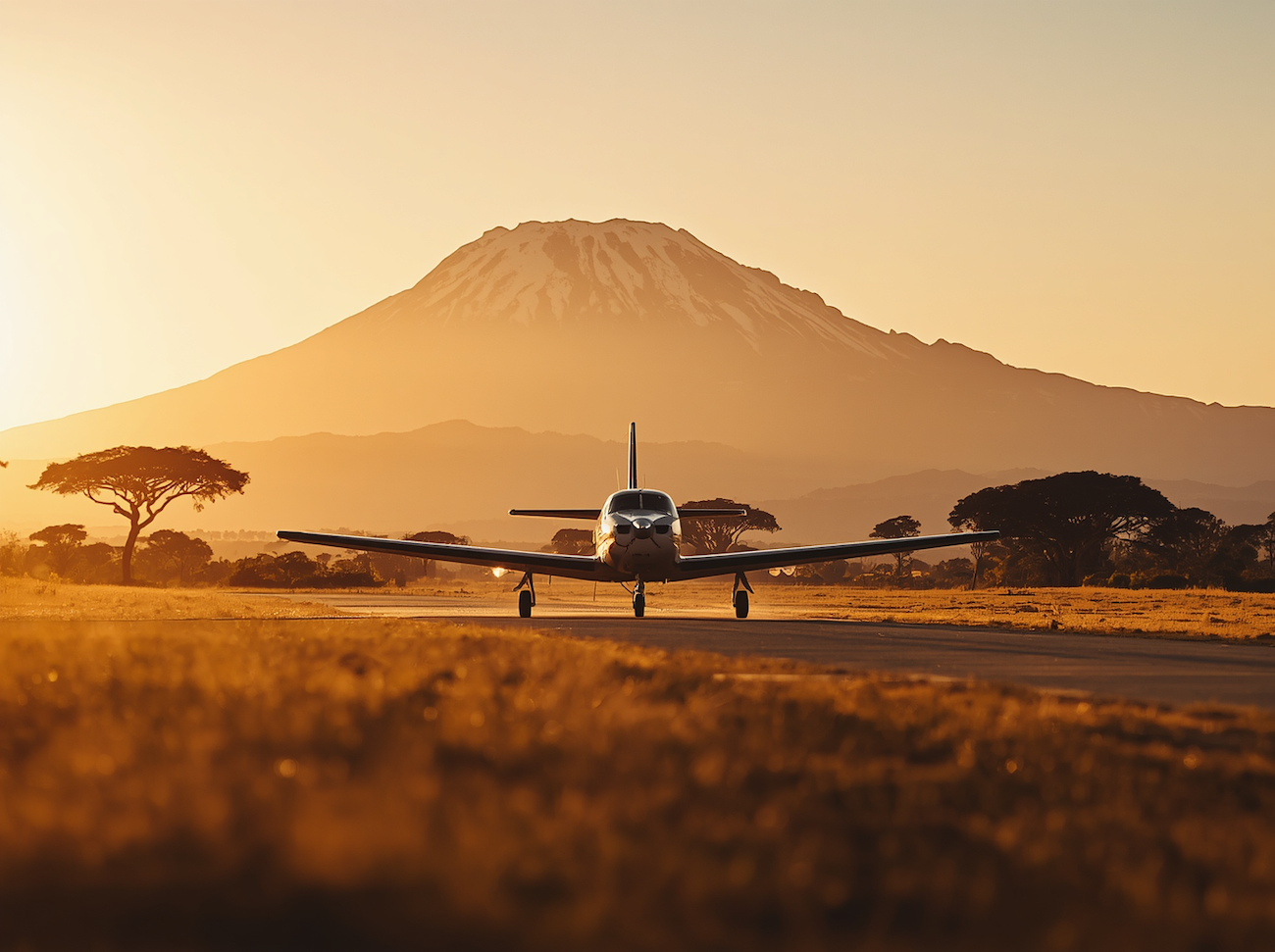
Airports in Tanzania: Which One to Fly Into
When someone books a safari with us, the flights are usually the part that causes the most quiet worry. People know they want the Serengeti, or the coast, or both, but they aren’t always sure where they’re meant to land, or what happens between the plane and the park. That uncertainty is fair. Tanzania is…
-

Direct Flights from Europe to Tanzania: 2026 Routes and What’s New
Are there direct flights from Europe to Tanzania? Yes. In 2026 you can fly nonstop from at least eight European cities, landing either at Kilimanjaro International Airport (JRO) for the safari parks or at Zanzibar (ZNZ) for the coast. More routes are on the way, with new services from Brussels and Milan this year and…
-
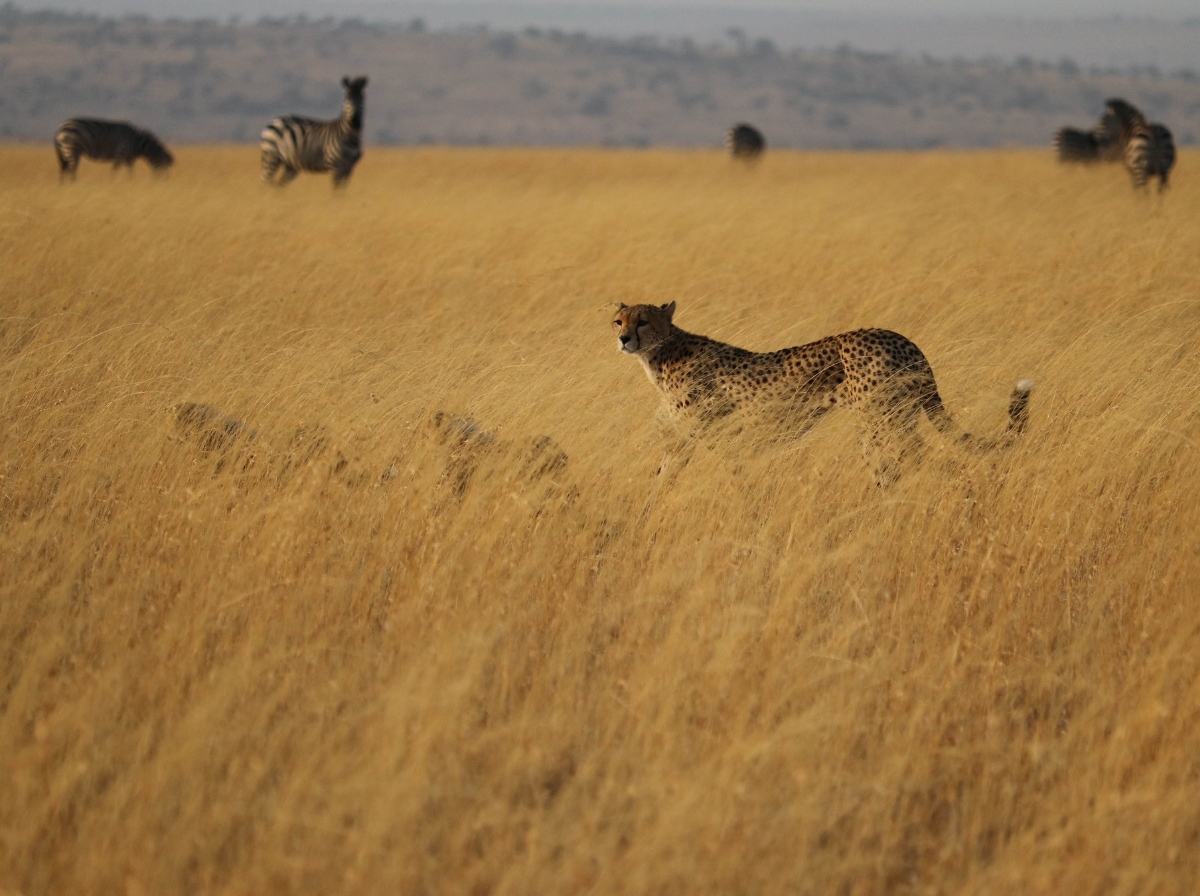
Tanzania in December: Holiday Season, Green Landscapes & the Road to Calving
December is when Tanzania fills up again, but not because of the weather. It’s the holidays. Christmas and New Year drive a spike in demand, and the safari + Zanzibar combo becomes one of the year’s most sought-after trips. The weather in Tanzania in December cooperates more than you’d expect: temperatures sit at 16–28°C in…
-
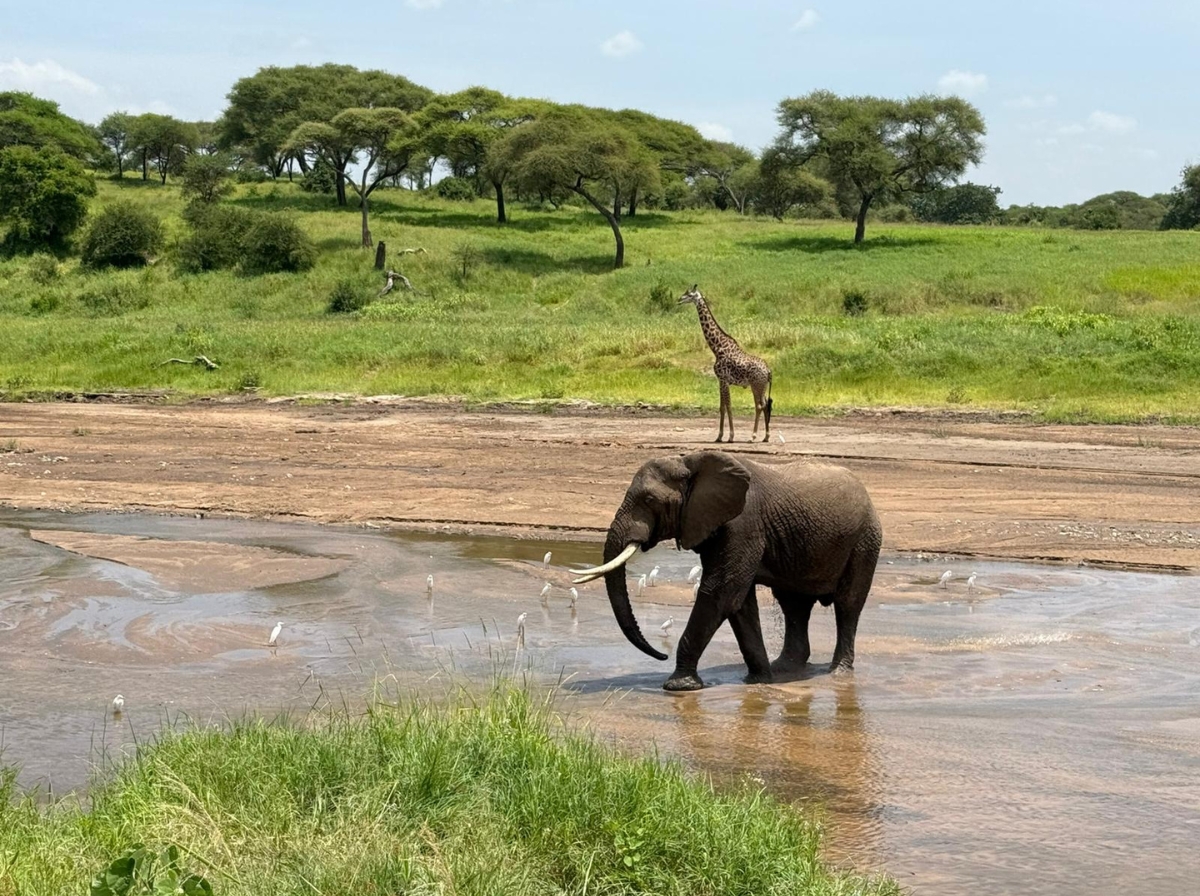
Tanzania in November: the Short Rains Aren’t What You Think
The word “rainy season” scares people away from Tanzania in November, and honestly, that works in your favor. The vuli (short rains) are nothing like the heavy masika of March–May. They arrive as brief afternoon showers, rarely last more than an hour, and almost never cancel a game drive. The weather in Tanzania in November…
-
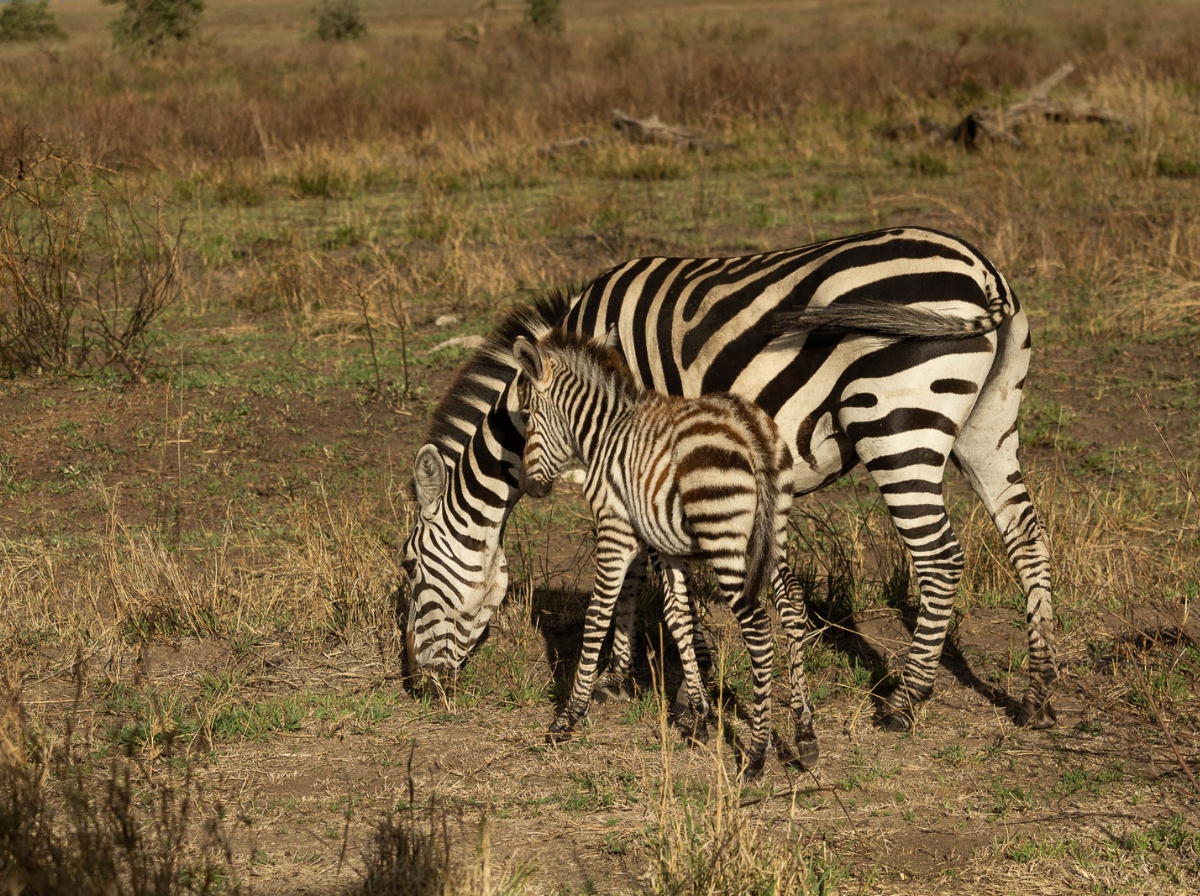
Tanzania in October: the Dry Season’s Last Act
< October is the month that divides opinion. Some travelers avoid it because the vuli (short rains) can start in the second half. Others seek it out precisely for that reason: shoulder-season pricing, fewer visitors, and safari conditions that are still genuinely strong. The weather in Tanzania in October is warm (16–29°C in the northern…
-
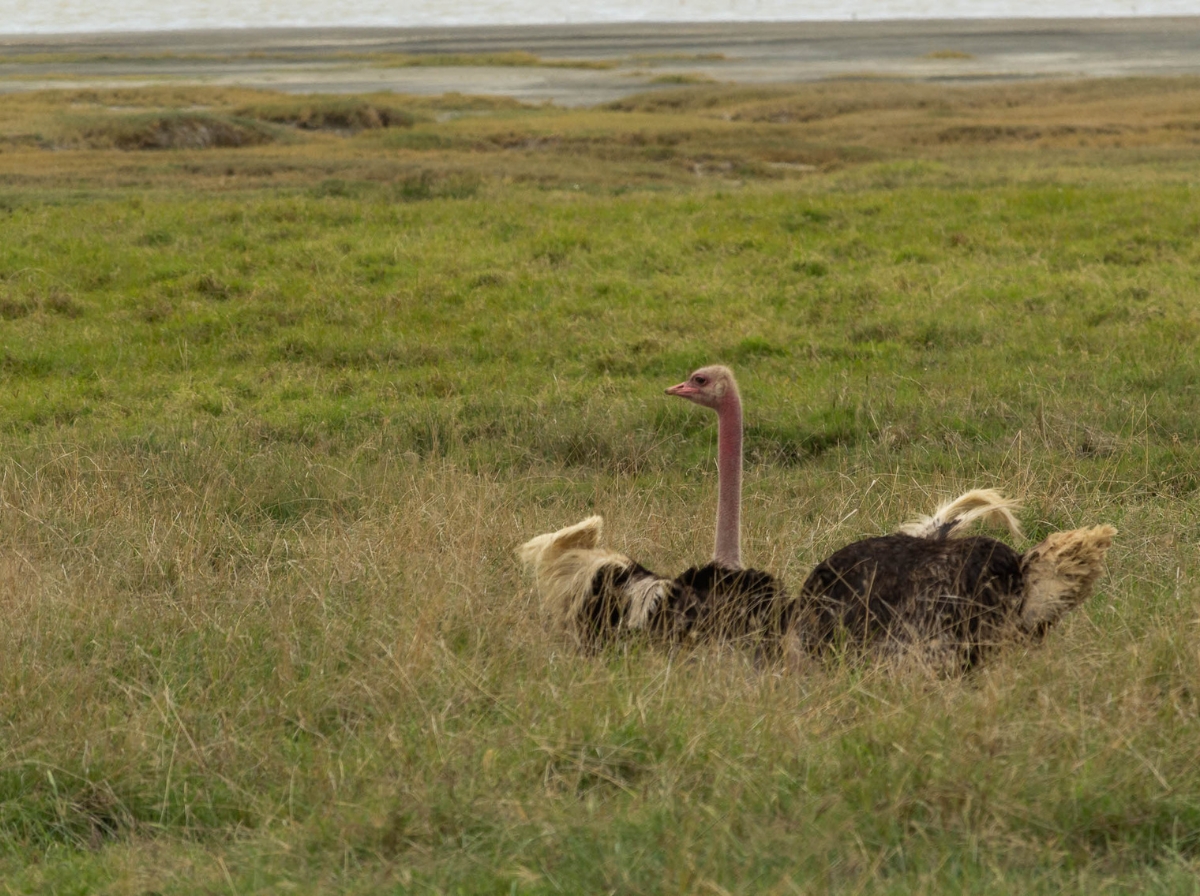
Tanzania in September: Peak Conditions, Fewer Crowds
If I had to pick one month to recommend to a first-time visitor who wants everything, I’d seriously consider September. The weather in Tanzania in September is still firmly in dry season territory: 15–28°C in the northern parks, minimal rain, and clear skies. But unlike July and August, the crowds have started to thin and…
-
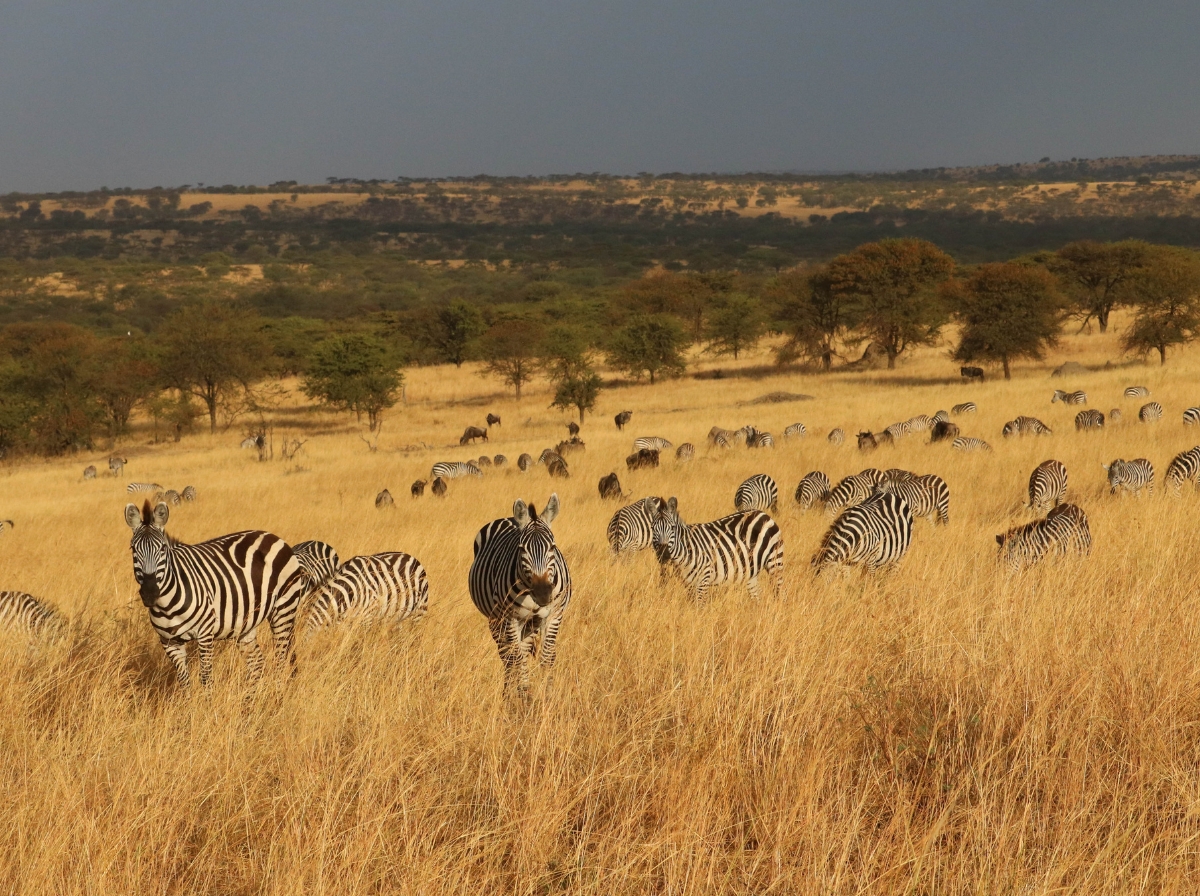
Tanzania in August: Mara Crossings, Dry Skies & the Busiest Month
If you’ve read about July, you already know the picture. The weather in Tanzania in August is almost identical: dry, warm, and ideal across the board. Temperatures sit between 15°C and 27°C in the northern parks, rainfall stays negligible (around 30 mm in the Serengeti, 15 mm in Arusha), and the sky is clear from…
-
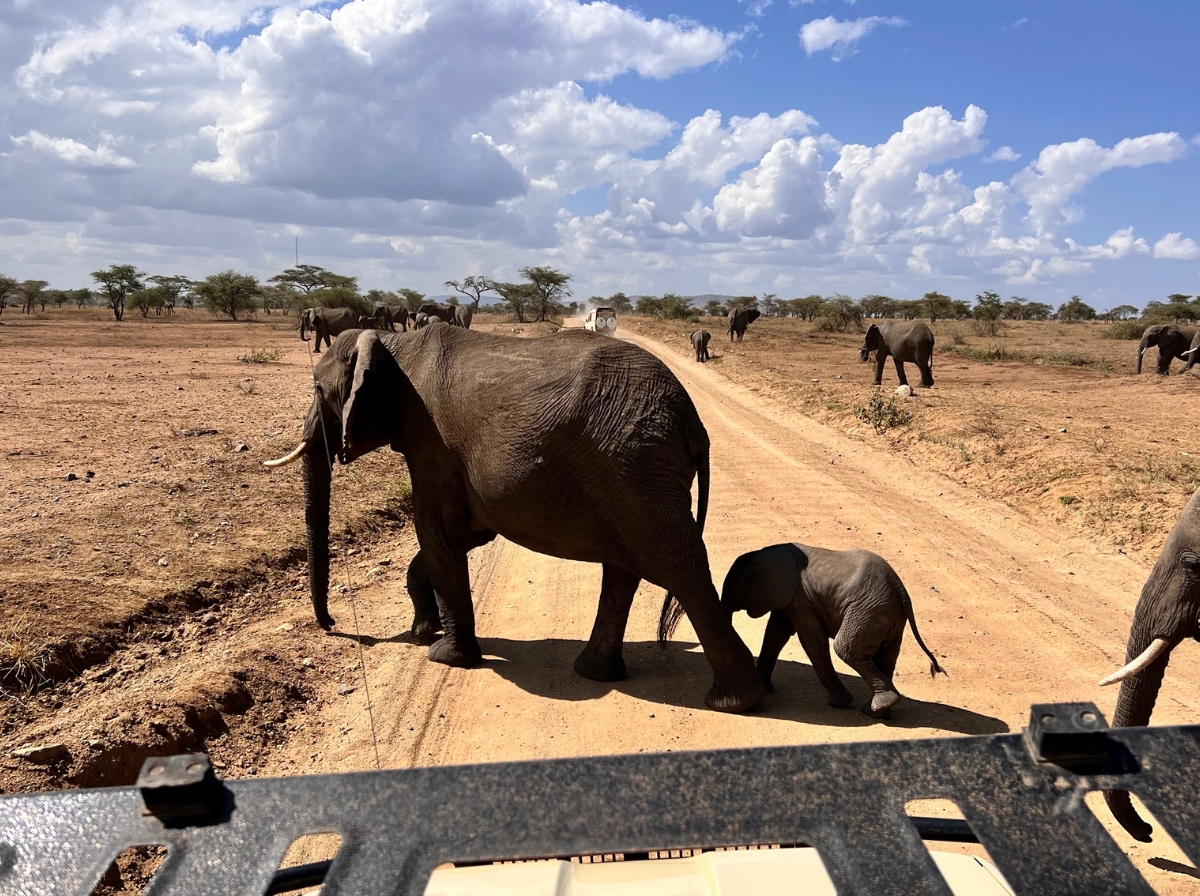
Tanzania in July: Peak Season & Mara River Crossings
July is, for many travelers, the month to visit Tanzania. That’s not marketing; it’s what the weather, the wildlife, and 14 years of organizing safaris from Arusha have taught me. The weather in Tanzania in July is dry, cool, and stable: temperatures between 14°C and 26°C in the northern parks, just 15 mm of rain…
-
Tanzania in June: Dry Season Begins, Safari Season Takes Off
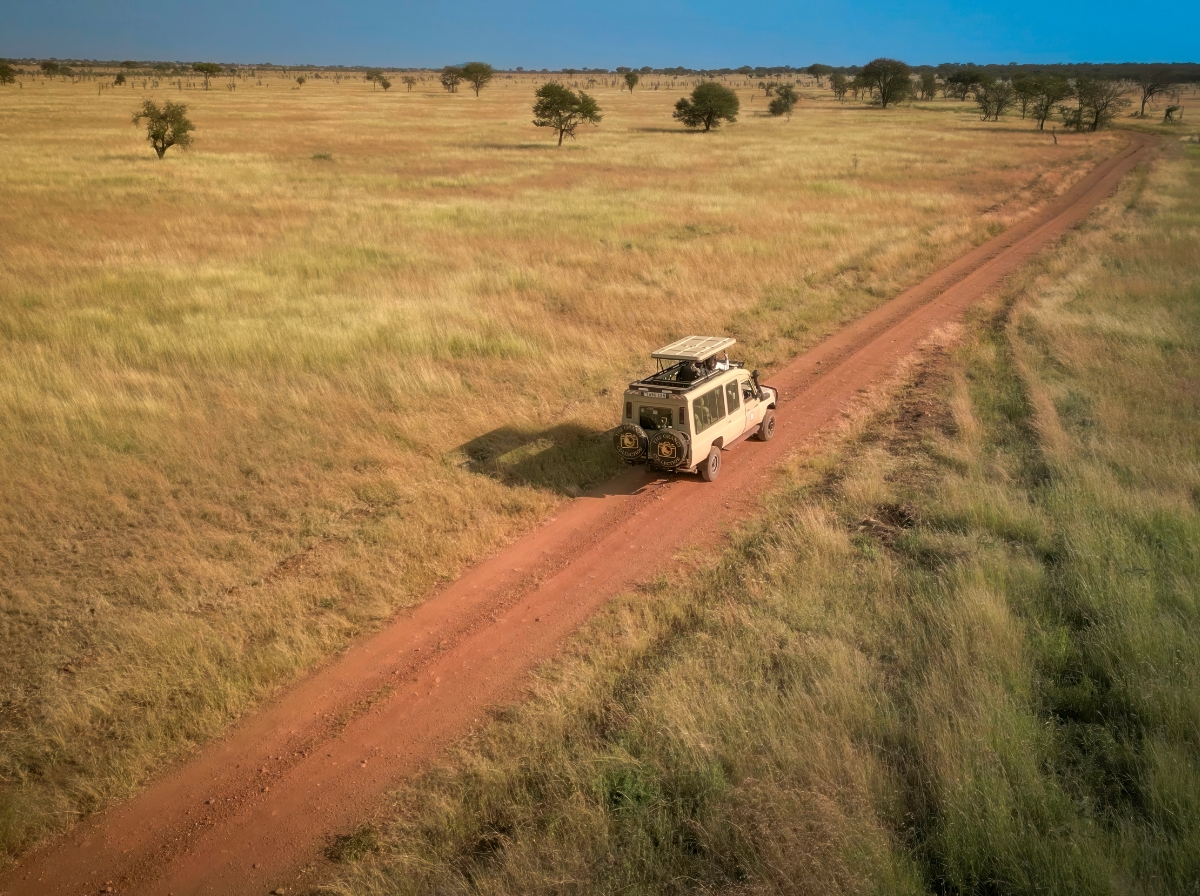
After the long rains, the weather in Tanzania in June finally shifts. The masika is over, the dry season begins, and the country enters its prime safari period. Skies clear, temperatures cool to a comfortable 15–27°C in the northern parks, and rainfall drops to almost nothing: just 35 mm in the Serengeti and only 25…