
The word “rainy season” scares people away from Tanzania in November, and honestly, that works in your favor. The vuli (short rains) are nothing like the heavy masika of March–May.
They arrive as brief afternoon showers, rarely last more than an hour, and almost never cancel a game drive. The weather in Tanzania in November sits at 16–28°C in the northern parks, with the Serengeti receiving around 115 mm over 17 days, mostly in short bursts.
The real story of November is what’s happening on the ground.
The wildebeest herds are returning from Kenya’s Masai Mara, pouring back into the Northern and Central Serengeti.
Migratory birds arrive from Europe and northern Africa. The landscape turns green after months of dust.
I’ve always thought of November as the month where Tanzania resets. The dry season’s over, the crowds have gone home, and the ecosystem starts its next cycle. If you’re flexible on weather and looking for value, this is one of the most sensible months to visit. For the full climate picture, see our Tanzania Climate guide.
Key Weather & Travel Details for November
- Temperatures: 16–28°C (61–82°F) in the northern parks; 21–31°C (70–88°F) on the coast. Warm, humid, building toward the hot season
- Rainfall: Vuli established. Around 115 mm in the Serengeti over 17 days, 120 mm in Arusha over 15 days. Rain comes in brief afternoon bursts, mornings are typically clear
- Beaches (Zanzibar): Occasional afternoon showers, but still enjoyable. Warm (31°C+), sea rising to 28°C. Not the best beach month, but far from the worst
- Packing: Light rain jacket, comfortable warm-weather clothing. Warm layer for mornings at altitude. Waterproof bag for electronics useful but not critical
Safari Conditions in November
November is better for a safari in Tanzania than most people expect. The vuli rains come in predictable afternoon bursts, which means morning and early afternoon game drives run without interruption. The grass is growing but still manageable, and the returning herds bring energy back to the Serengeti.
What I notice most is the light. After the first rains wash the dust out of the air, the morning light across the plains is clean and sharp. Photographers love it.
The contrast between green grass and golden light makes for images that look nothing like the dry-season Serengeti everyone has seen before. And with visitor numbers at their lowest, you have the space to set up properly for a shot.
Regional Weather Breakdown
- Zanzibar archipelago: Warm and increasingly humid. Afternoon showers are common but usually short. The kaskazi (NE monsoon) is building. Sea at 28°C. Still viable for a beach extension, though December and January are more reliable
- Northern Safari Circuit (Serengeti, Ngorongoro, Tarangire, Lake Manyara): Vuli showers, mostly afternoon. Mornings still cool (16°C), afternoons warm and humid (28°C). All parks open. Green landscapes returning
- Southern & Western Parks: Rains beginning. Some camps may close later in the month. Northern Circuit is the safer focus
- Kilimanjaro: Not ideal. Increased rain risk makes trails wet and visibility unpredictable. Better to wait for the December–February secondary window or the June–October primary season
Travel Highlights & Considerations
- Great Migration heading south: The herds stream back from the Masai Mara into the Northern and Central Serengeti, beginning the journey toward the Ndutu calving grounds. This movement continues through December
- Lowest prices outside April: Deep low season. Lodge rates drop significantly, availability is wide open. For couples and budget-conscious travelers, the value is strong
- Migratory birds arrive: European and northern African species flood in, many in breeding plumage. Lake Manyara and Tarangire are rewarding for birders
- Green season photography: Storm clouds, clean post-rain light, and vivid green vegetation create a completely different Serengeti from the dry-season images everyone knows
What Most Travelers Don’t Know About November
November has two things going for it that most planning guides ignore.
- The vuli rarely ruins a safari: The short rains are genuinely short. In my experience, a typical November day starts clear, stays clear through the morning game drive and lunch, and produces a shower around 3–4 PM that’s over by 5. Afternoon game drives sometimes start 30 minutes late. That’s it
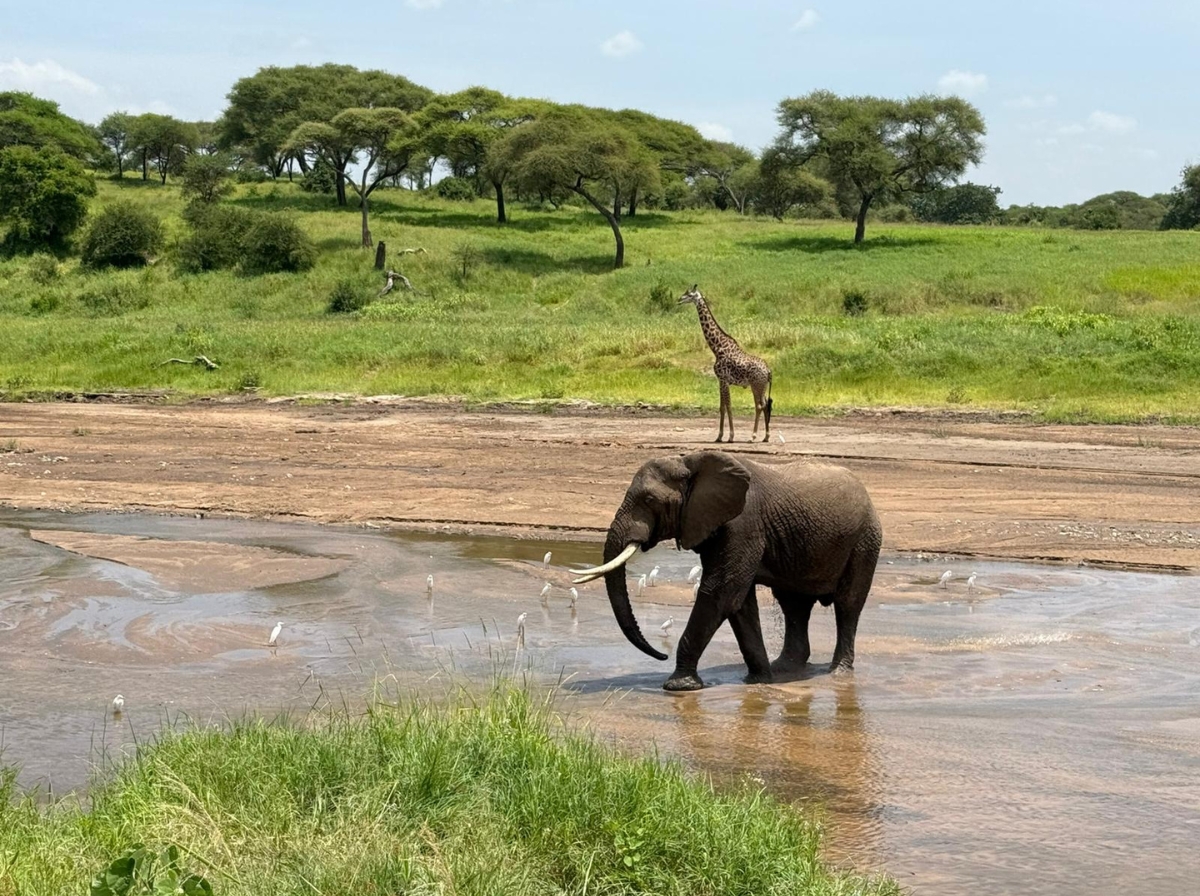
- The Serengeti is never empty of wildlife: Even though the Great Migration is in transit, the Serengeti has enormous resident populations of lions, leopards, cheetahs, elephants, giraffes, hippos, and buffaloes. The migration is a bonus, not the whole show
How November Compares to October and December
October is the tail end of the dry season: warm, dusty, first vuli showers arriving late. By November, the rains are established and the landscape has shifted to green.
December continues the vuli but transitions toward the kiangazi dry pause. The herds move further south, and by late December the first pregnant females reach the calving grounds. Similar experience to November, with calving season just around the corner.

