
If you’ve read about July, you already know the picture. The weather in Tanzania in August is almost identical: dry, warm, and ideal across the board.
Temperatures sit between 15°C and 27°C in the northern parks, rainfall stays negligible (around 30 mm in the Serengeti, 15 mm in Arusha), and the sky is clear from dawn to dusk.
What does change is the crowd level. August is when European summer holidays peak, and Tanzania’s Northern Circuit fills up accordingly. It’s the busiest month of the year alongside July.
That’s why I often steer guests toward two strategies: either book the Northern Circuit well in advance (6–12 months), or consider the Southern Circuit, where parks like Ruaha and Nyerere offer the same dry-season quality with a fraction of the visitors. For the full climate picture, see our Tanzania Climate guide.
Key Weather & Travel Details for August
- Temperatures: 15–27°C (59–81°F) in the northern parks; 18–29°C (64–84°F) on the coast. Warming slightly from July, but mornings are still cold at altitude
- Rainfall: Virtually none. Around 30 mm in the Serengeti over 7 days, 15 mm in Arusha over 4 days. The driest month in Arusha
- Beaches (Zanzibar): Dry and warm. Sea at its coolest (25.5°C) but still comfortable. The kusi winds begin to ease, improving conditions on the east coast
- Packing: Same as July: warm fleece for mornings, light clothes for daytime. Dust levels increase as the landscape dries further, so a scarf or buff is useful
Safari Conditions in August
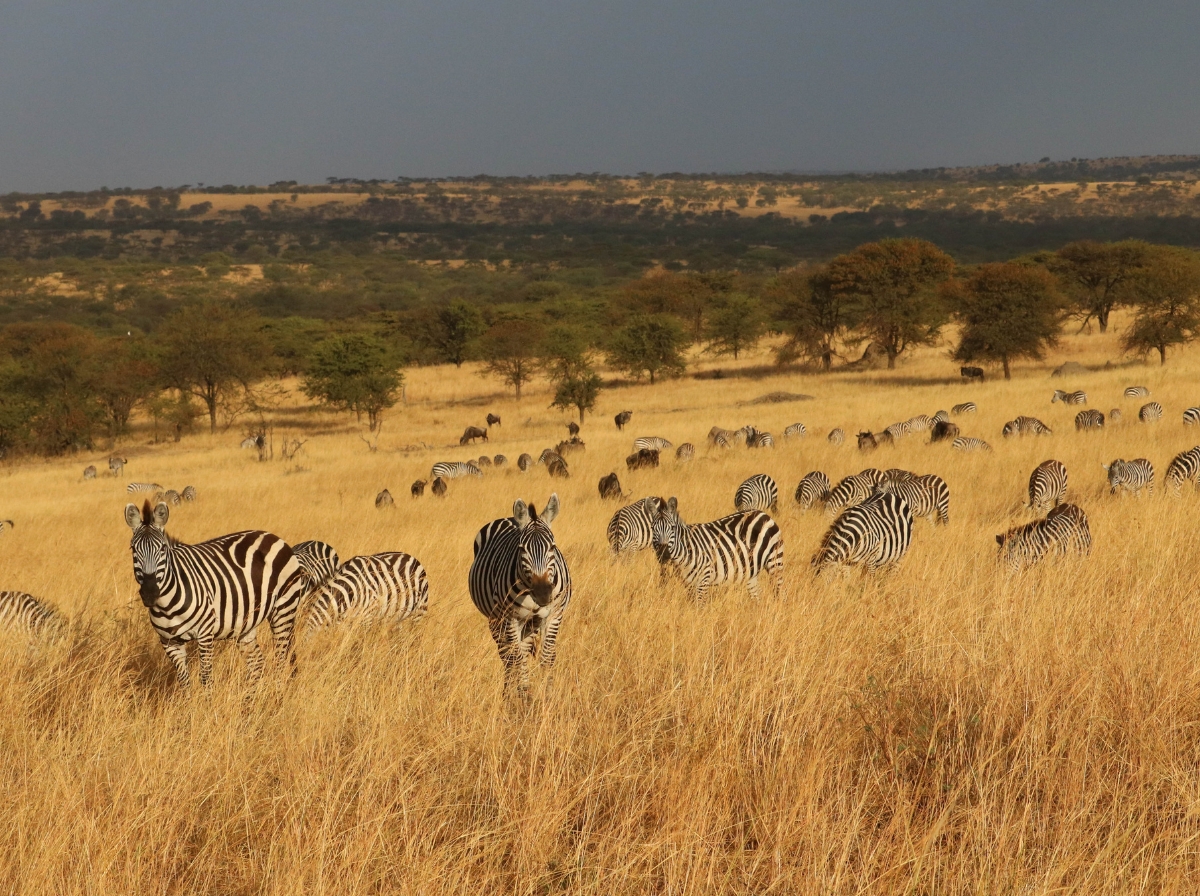
August delivers the same strong conditions as July. The vegetation keeps thinning, water sources keep shrinking, and game viewing across the Northern Circuit is at its strongest. As a safari operator, this is the month where I can say with confidence: you will see big cats, large herds, and dramatic predator-prey interactions on almost every game drive.
In the Northern Serengeti, the Mara River crossings continue. The timing of individual crossings is unpredictable, but the herds are in the area and crossings happen frequently throughout the month. The Mara River Great Migration Safari covers this period.
Regional Weather Breakdown
- Zanzibar archipelago: Dry and pleasant. The kusi is fading, which means the east coast becomes calmer. Sea at 25.5°C. Good for diving, snorkeling, and beach
- Northern Safari Circuit (Serengeti, Ngorongoro, Tarangire, Lake Manyara): Clear skies, cool mornings (15°C), warm afternoons (27°C). Ngorongoro rim still cold at night. Tarangire elephant herds at their biggest (200–300 individuals along the river)
- Southern & Western Parks: Excellent and uncrowded. Ruaha has exceptional concentrations along the Ruaha River, and Nyerere (Selous) offers diverse wildlife along the Rufiji, including rare species like wild dogs and sable antelope
- Kilimanjaro: Excellent trekking continues. August through October offers the clearest summit visibility of the year. Drier and slightly warmer than July
Travel Highlights & Considerations
- Great Migration crossings continue: The Mara River crossings are in full swing. By late August, some herds begin pushing into Kenya’s Masai Mara, but large numbers remain in the Northern Serengeti
- Busiest month: European holiday season drives visitor numbers to their peak. The Northern Circuit is crowded, popular camps sell out months in advance. Plan accordingly
- The Southern Circuit alternative: This is the insider move. While the Northern Circuit is packed, Ruaha and Nyerere deliver outstanding game viewing with far fewer vehicles. I’ve been sending guests south in August for years, and the feedback is always the same: “Why doesn’t everyone come here?”
- Kilimanjaro summit views: August marks the start of the clearest window for summit visibility (Aug–Oct). If seeing Uhuru Peak against a cloudless sky matters to you, this is the time
What Most Travelers Don’t Know About August
August has a couple of angles that experienced travelers take advantage of.
- The east coast of Zanzibar calms down: The kusi winds that kept the east coast choppy in June and July start to ease in August. Beaches like Paje and Jambiani become better for swimming, while still offering enough breeze for kitesurfing
- Ruaha is one of Tanzania’s quietest big parks: Tanzania’s largest national park, with lions, elephants, buffalo, wild dogs, and black rhino along the Ruaha River. In August, you might spend a full morning at a waterhole watching the drama unfold without another vehicle in sight. I consider it one of the most overlooked parks in Africa
How August Compares to July and September
July and August are nearly interchangeable: same weather, same Mara crossings, same peak prices. August is slightly busier due to European holidays, and temperatures are marginally warmer.
September begins the transition out of peak season. The herds start moving into Kenya, crowds thin, and some operators offer shoulder-season rates. Late September is worth considering if you want peak conditions with some relief on pricing.

