
The weather in Tanzania in January is warm and mostly dry across the northern safari parks, with temperatures ranging from 16°C to 29°C and only light, intermittent rainfall. January marks the start of the “kiangazi”, the brief pause between the two rainy seasons.
It’s also the beginning of the wildebeest calving season in the Serengeti, the Zanzibar archipelago is hot and ideal for diving, and Kilimanjaro offers a good trekking window.
After 14 years of living in Arusha, I can say January is one of the most underrated months to visit Tanzania. Here’s what you need to know to plan your trip. For a broader view of Tanzania’s climate across all months and regions, see our Tanzania Climate guide.
Key Weather & Travel Details for January
Here is a quick snapshot of what to expect across the country this month.
- Temperatures: 16–29°C (61–84°F) in the northern parks; 23–32°C (73–90°F) on the coast. Hot during the day, cool mornings at altitude.
- Rainfall: Light and intermittent in the north. Around 65 mm in Arusha, 80 mm in the Serengeti, spread over 12–14 days. Rain typically falls as brief afternoon showers.
- Beaches (Zanzibar): Hot and humid (30°C+). Coral reef visibility is good. Peak diving and snorkeling season.
- Packing: Fleece and windbreaker for morning game drives (14°C at dawn), light clothes for daytime (28°C by noon), sunscreen always. Light rain jacket just in case.
Safari Conditions in January
January is an excellent month for a safari in Tanzania. The “vuli” (short rains) have just ended, the Northern Circuit parks are in a dry pause, and the Southern Serengeti is entering calving season. Predators are already converging on the Ndutu plains.
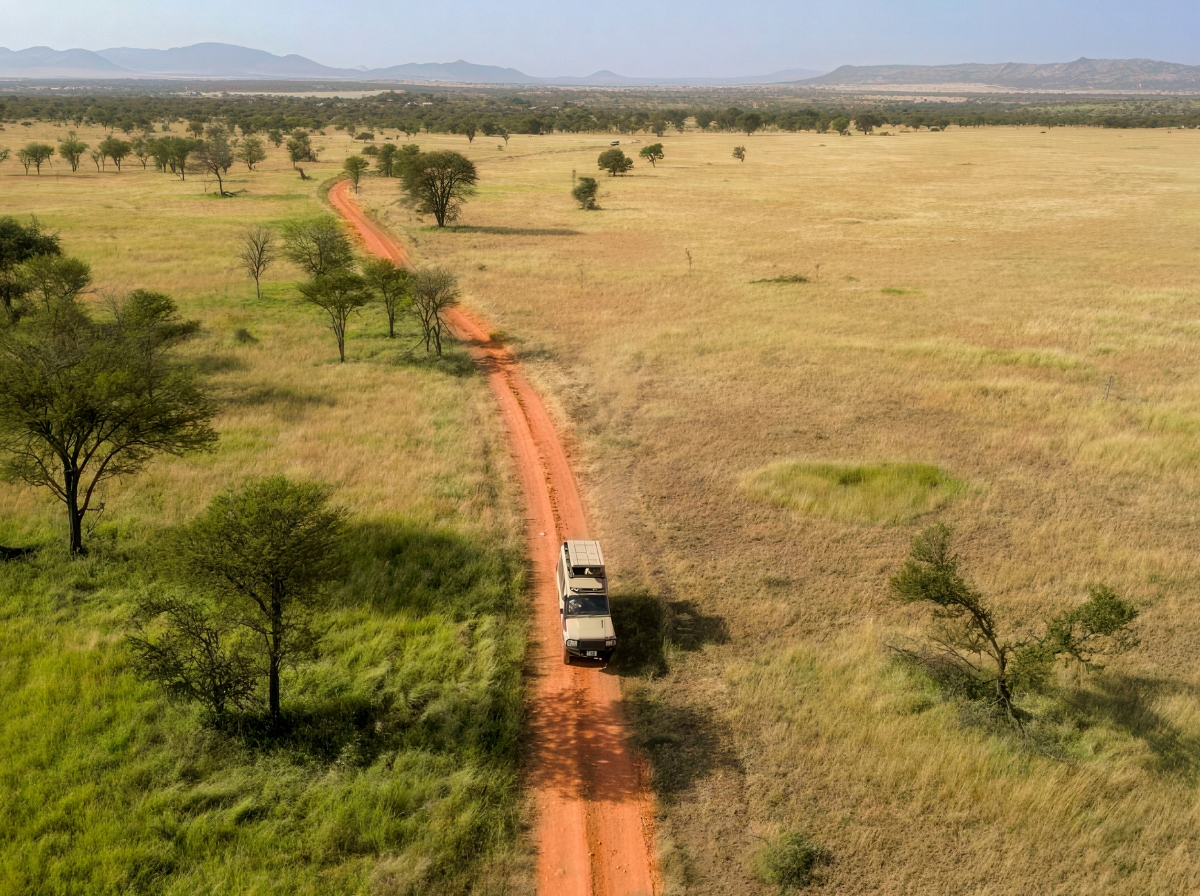
The grass is short from months of grazing, giving you clear sightlines across the open landscape. Rain is light and falls mostly as brief afternoon showers. Roads are in good condition and game drives run without interruption.
Regional Weather Breakdown
Conditions vary by region in January. Here is how the main areas compare.
- Zanzibar archipelago: Hot (30°C+), humid, sea at 29°C. Visibility improves after the “vuli”: peak season for snorkeling and diving. Occasional short afternoon showers.
- Northern Safari Circuit (Serengeti, Ngorongoro, Tarangire, Lake Manyara): In the “kiangazi”, the dry pause between the “vuli” and the “masika”. Warm days (up to 29°C), cool mornings (14–16°C). Light rain, ~80 mm over 14 days, mostly late afternoon. Ngorongoro rim: mornings below 10°C, bring layers.
- Southern & Western Parks: Mid-rainy season (single season Nov–Apr). Hot (30°C+), humid. Northern Circuit is the stronger choice for January.
- Kilimanjaro: Good trekking month. Relatively dry, clearer skies than during the “masika”. Base temperatures 25–30°C. Secondary trekking window (Dec–early Mar).
Travel Highlights & Considerations
Beyond the weather, several things make January stand out for travelers.
- Wildebeest calving: The main event. Two million wildebeest and zebras concentrated in Southern Serengeti and Ndutu. Calving starts late January, peaks in February. Lions, cheetahs, hyenas, and jackals converge on the open plains. I’ve organized safaris during calving season for years, and it remains one of those experiences where even the guides stop what they’re doing to watch.
- Great Migration: Yes, you can see it in January. The herds are on the short-grass plains between Naabi Hill and Lake Ndutu, near the Ngorongoro Conservation Area. Volcanic soil produces nutrient-dense grass for pregnant females. By late January the first calves arrive, drawing every predator onto the open plains. Visibility is excellent.
- Fewer crowds, better value: January falls outside peak season (July to September). Parks are quieter, lodges have more availability, pricing is lower.
- Birdwatching: Migratory species from Europe and northern Africa join the residents, many in bright breeding plumage. Tarangire and Lake Manyara (400+ species) are particularly productive.
- Tropical cyclones: January is within the SW Indian Ocean cyclone season (Nov–Apr), but Tanzania’s risk is very low. Most documented landfalls occurred in April (1872, 1952, 2019), with one rare May event in 2024. Northern parks are unaffected and disruptions on Zanzibar are extremely uncommon.
What Most Travelers Don’t Know About January
January has a few things going on that rarely make it into the standard safari brochure.
- Whale sharks at Mafia Island: About 160 km south of Zanzibar, Mafia Island hosts roughly 200 resident whale sharks. January falls in the peak snorkeling season (Nov–Feb), when plankton blooms draw them close to the surface. Water is warm (28–29°C), visibility is good.
- The Ndutu plains in bloom: After the “vuli”, the short-grass plains around Ndutu start producing the first wildflowers of the season. It’s not the peak bloom (that comes with the “masika” in March and April), but the scattering of color across the volcanic soil creates a Serengeti that looks nothing like the dry, golden plains most people picture.
How January Compares to December and February
December is the tail end of the “vuli” (short rains), with occasional heavier showers and the herds just arriving in the Southern Serengeti from the north. By January, the rains have eased, the herds are settled on the Ndutu plains, and the calving is about to begin.
February takes everything January offers and turns it up: the calving hits its peak (up to 500,000 calves in 2 to 3 weeks), predator activity is at its highest, and temperatures are slightly warmer. If January is the opening act, February is the main event.
January works for a certain type of traveler: someone who wants to see the migration, doesn’t mind occasional afternoon rain, and prefers fewer crowds. The weather cooperates, the wildlife delivers, and you don’t have to fight for a spot at the waterhole.
Sources
The data in this guide draws on the following independent and institutional sources.

