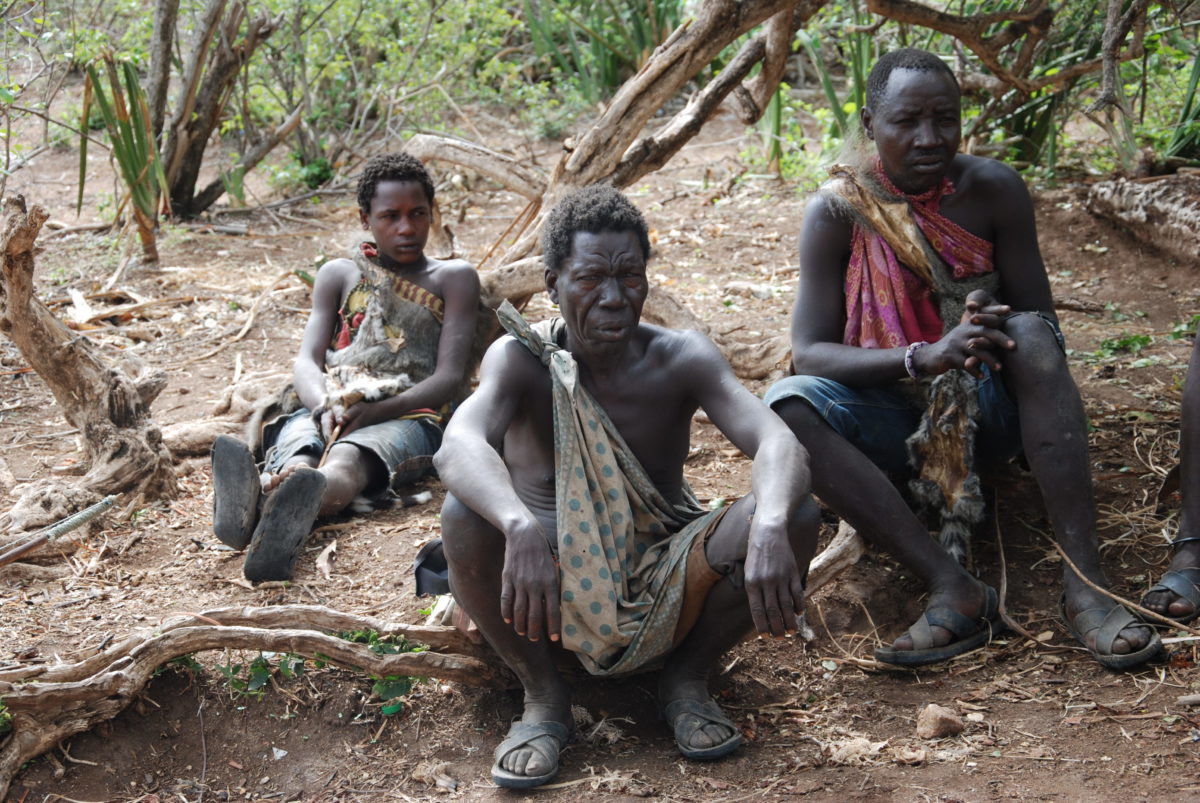
Near Lake Eyasi at the border of Ngorongoro Conservation Area in Tanzania you can meet the last Hadzabe hunters families (Bushmen) and follow them hunting in the bush.
The Hadzabe hunter
Hadzabe people are nomadic families who build seasonal huts. The hunters use bow and arrows to hunt small and large animals, the arrows are different depending on the animal hunted while for the big animals they use poisoned arrows. The curiosity is they can use marijuana to feel more powerful and never tired during the hunt. They dress with the skins of killed animals like baboons, genet cats and antelopes.
The hunt
The hunters depart in groups peering trees and bushes searching for birds, rodents, monkeys or antelope. During the last hunting trip I witnessed with my group a dik-dik (small antelope) kill for the happiness of the hunters and the rest of their families. According to tradition, the hunters eat the entrails and leave the rest to the other members of the clan.
During the visit we will discover their traditions, you will see their camp, you try archery and dance with them. You will meet a tribe still strongly linked to their traditional lifestyle and almost untouched by modern life.
One of the safari enthusiasts dream is to see the herds of the Great Migration crossing the Mara river in the Serengeti, it’s one of those scenes you will never forget in your life.
What is the Great Migration?
The Great Migration is the transhumance of herbivorous animals between the parks of the Masai Mara (Kenya), Serengeti and Ngorongoro. Herds of wildebeest and zebras move between these parks throughout the year, always looking for the availability of pastures and water, the basic needs for the herds to survive in the savannah. Numerous predators such as lions, leopards, hyenas, cheetahs and more, in turn follow the herds.
The movements of the Great Migration linked to the rains because they determine the growth of the fresh and palatable grasses for the animals to feed. Predicting where and when the Great Migration will take place is somehow depends on the rains.
The best period for the Great Migration
The Great Migration are resides in Masai Mara, Serengeti and Ngorongoro depending on the period. The herds aggregate more in Ndutu Area for calving season in the period from mid-December to early March.
You can witness the Grumeti and the Mara River crossings in the summer period between July and September.
Clients who contact me asking about how they can see the Great Migration in Tanzania. I normally answer them by organizing a safari to witness this incredible spectacle of nature. Seeing huge herds of wildebeest and zebras grazing in the African savannah and crossing the rushing river infested with huge crocodiles are documentary scenes that with a bit of luck are possible to spot during the great migration period. In addition, since the national parks are not the same as the zoo, we cannot guarantee you that you will be able to spot the migration at a particular time/day because the migrating herds normally depend on the weather and availability of good pastures.
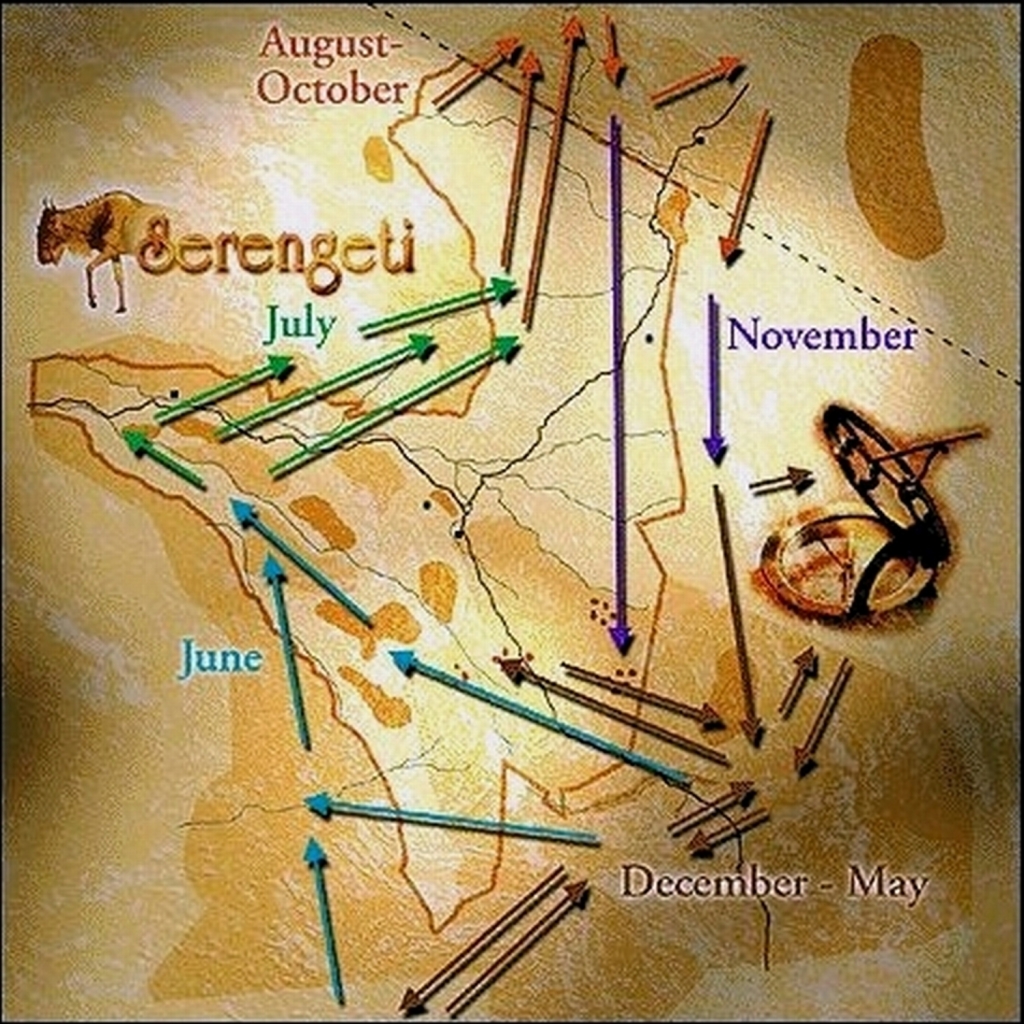
The map of the Great Migration
The map below shows the movements for the Great Migration month by month, a circular path that repeats itself every year following the rains searching for palatable pastures and water, the basic needs for the large herbivores to survive in the savannah.
The Mobile-Tented camps
Overnight in mobile-tented camps allows you to be close to the area where you can easily spot the Great Migration. These camps have tents similar to hotel rooms, a real bed with blankets and sheets, an indoor bathroom and electricity. This is an unforgettable experience in the middle of savannah with all the comfort.
Keep in mind that herds can move quickly and cover great distances in a short time (80 km in one day for example). Thanks to our safari guides who are always up to date and aware of every crannies and corners in the wild in order to guide you to the best spots for the best sightings.
Great Migration Safari: River Crossing
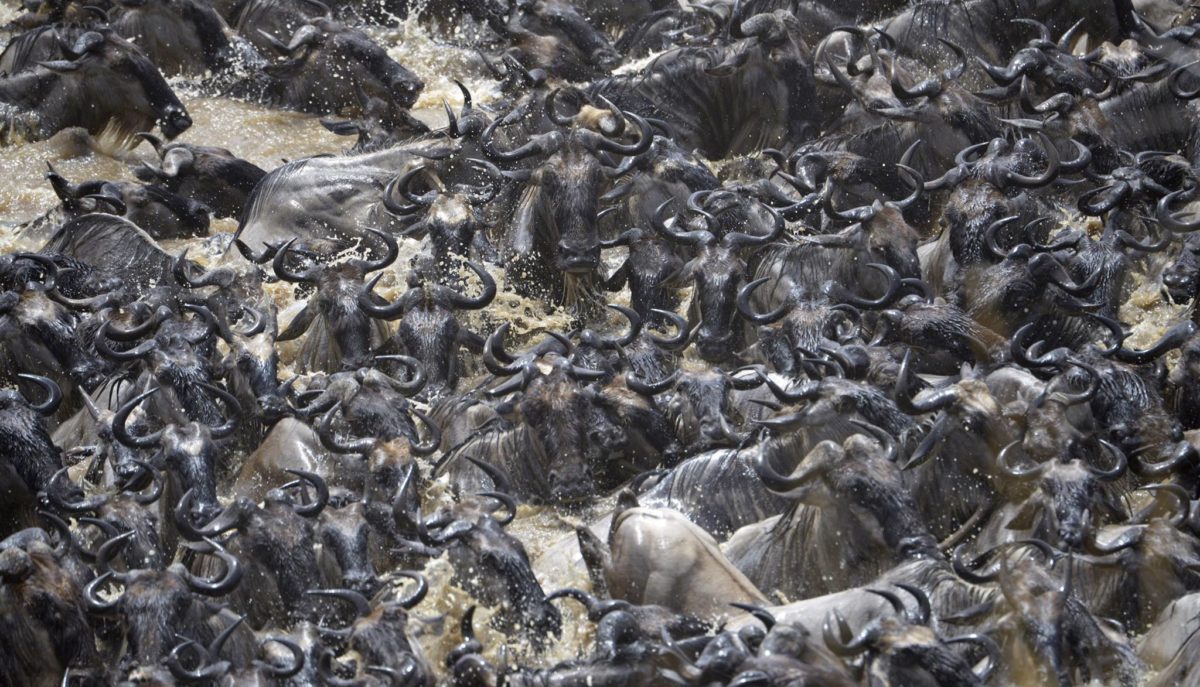
The Great Migration crossing Mara River in the Serengeti is one of those unforgettable wildlife documentary scenes and among the best attraction to spot for most safari enthusiasts when planning to visit Tanzania. I will tell you something about the “River Crossing” but first I invite you to watch the short video taken by our client during her safari with Savannah Explorers in September 2015.
When can I see the “River Crossing” while on safari in Tanzania?
The Great Migration crossing Mara River, also known as the “River Crossing”, takes place in the northern part of the Serengeti. During the summer period, from July to October, the huge herds of wildebeest and zebras rise to the north and partly cross the border entering Kenya in the Masai Mara reserve. The Mara River flows between Kenya and Tanzania and from late July to early October, with a bit of luck, it is possible to witness unforgettable scenes like the one seeing in the above video.
Serengeti Mara Crossing wildebeest
Thank you Sonja for providing us such good video and photos.
“River Crossing” Safari
To witness the River Crossing we normally recommend arranging a safari between July to late September/early October, with at least 2 nights in the northern Serengeti. This gives enough time to wait for the moment when the herds decide to cross. Normally, the safari is usually 6 nights or more and includes a visit to the central Serengeti, Ngorongoro Crater and other famous National Parks found in the north of Tanzania. Kindly see below our safari program for your reference:
We mainly offer two safari programs that will take you to see the Great Migration. These are the “Great Summer Migration Safari” in the period from July to September and the “Great Migration Winter Safari” in the period from December to March:
Great Migration Summer Safari – This lasts for 7 days and it includes the visit to Tarangire National Park, Ngorongoro Crater and the Northern Serengeti where it is likely to see the Great Migration crossing the Mara River. You will experience indescribable emotions, especially when you spot the herds crossing the Mara River in Northern Serengeti.
Great Migration Winter Safari – the duration of the safari is 6 days, the parks visited are the Tarangire Park, the southern Serengeti in the region called Ndutu where the Great Migration is concentrated in this period and finally the Ngorongoro crater. During winter season, Ndutu area has the availability of fresh and palatable pastures rich in mineral salts. This creates ideal environment for the wildebeest to give birth to hundreds of calves a day. You will be speechless to see this beautiful spectacle of nature.
Travel guides for Tanzania
Savannah Explorers in recent years has created real guides for the trip to Tanzania and the beach relaxation in Zanzibar. We have travel guides with pieces of information on parks, climate, luggage, visas, vaccinations and beach holidays in Zanzibar. Here are some of our most-read travel guides:
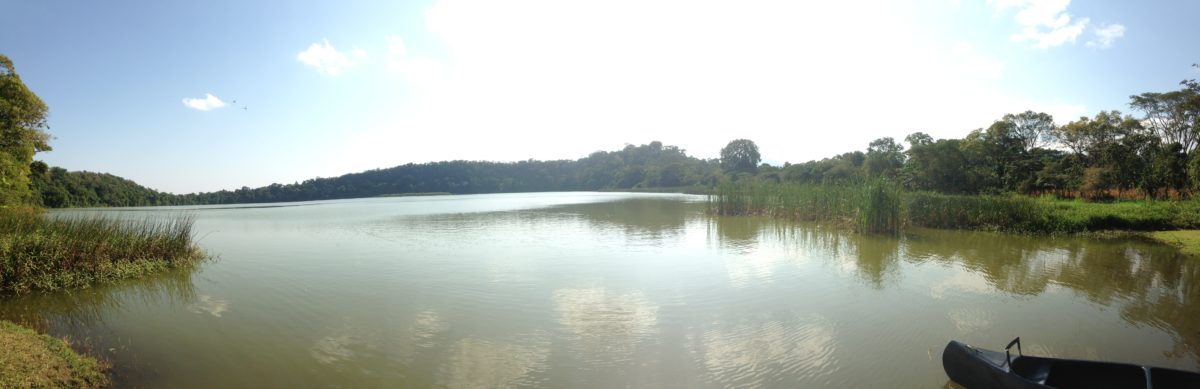
Not far from Arusha there are several funny activities in the middle of Tanzanian nature. The walking excursion to Lake Duluti shores is the perfect opportunity to enjoy nature and relax the arrival or departure day.
Lake Duluti
Lake Duluti is a very deep lake, more than 700 m. deep, fed only by underground springs and dominated by Mount Meru (4566 m.). It’s a safe lake because there are no crocodiles and hippos. The waters are rich in fish and waterfowl, there are also many monitor lizards. There is a lot to see and explore on foot or by canoe around the lake area.
Lake Duluti activities
You can enjoy your time on a natural walk in the forest with a local guide. During the walk you can spot birds and monitor lizards, but especially enjoy the landscape and the views of Mount Meru. You can also venture out on the lake canoeing together with a local guide. The canoe trip is very loved by children and teenagers.
It’s better book activities in advance so that everything is arranged with experienced local guides and the Conservation Area.
For more information about the safari in Tanzania you can check out my site Savannah Explorers.
During my safari, the attention of my customers focuses especially on the most known predators such as lions, leopards, cheetahs, or on large mammals such as elephants, giraffes, buffalos and others.
In Tanzania is also possible to spot animals like hyenas, vultures and jackals, less “paparazzi”, but important in nature because they are the scavengers of the savannah: eat entrails, bones, tendons, all that remains of the meal of the big cats, their presence it is critical to prevent the spread of diseases among wild animals.
Certainly less fascinating then Lions, Cheetahs and Leopards, but their presence is crucial maintaining the delicate balance of Savannah.
In the video we see some vultures and eagles contending the rest of a wildebeest in the Serengeti, back a jackal is looking for another carcass. There is also a Kori Buster but this bird is not a scavenger like the others in this video.
The vulture head and neck are bald to penetrate the carcasses without getting dirty. The jaws of the hyena exert a pressure of 800 kg per square centimeter for chopping and even eating bones and hooves of the prey, a much higher pressure of the lion’s bite.
For more information about the safari in Tanzania you can check out my site Savannah Explorers.
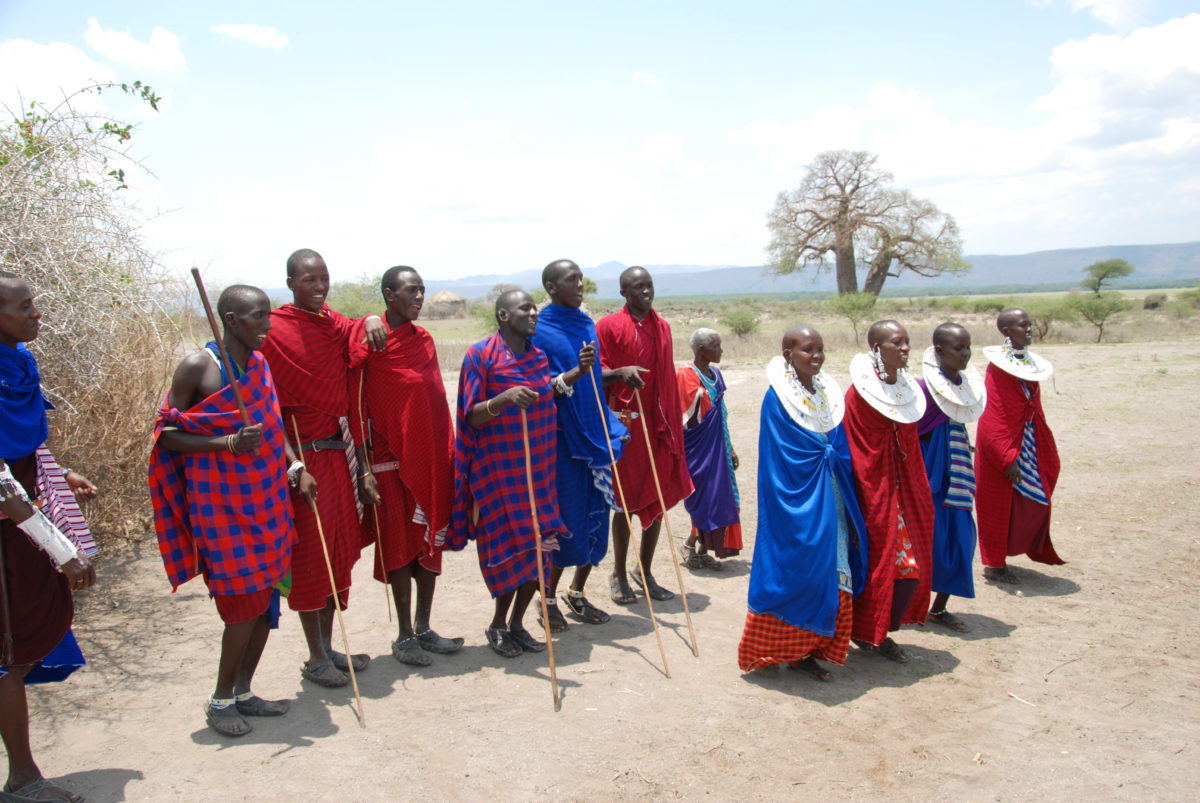
In Tanzania you will recognize immediately the Maasai dressed in traditional clothing, this is the most well-known African tribe and they still live in a traditional style. You can learn more about their traditions and lifestyle if you visit a Maasai boma, i.e. a Maasai village, with a local Maasai guide. The Maasai guide and the Maasai boma you visit can make the difference, there are boma involved in culture tourism projects, or off the beaten areas where the experience is much better. For this reason I recommend planning this visit in advance with an experienced local tour operator.
What can we see and experience at the Maasai Boma?
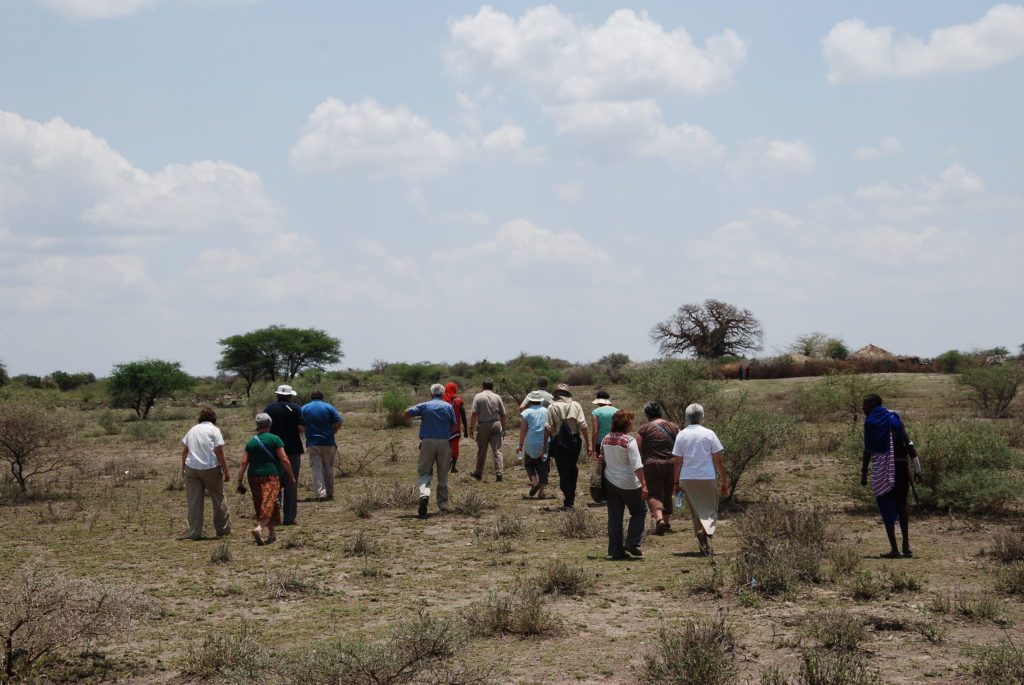
Before arriving at the Masai boma is very interesting a beush walk with a Maasai guide (if not too hot) where you can see the plants used in traditional Maasai medicine, maybe some wild animals footprints, the Maasai cattle and more depending where we are and when we experience this visit. Be careful because this bush walk is not always provided but can be requested.
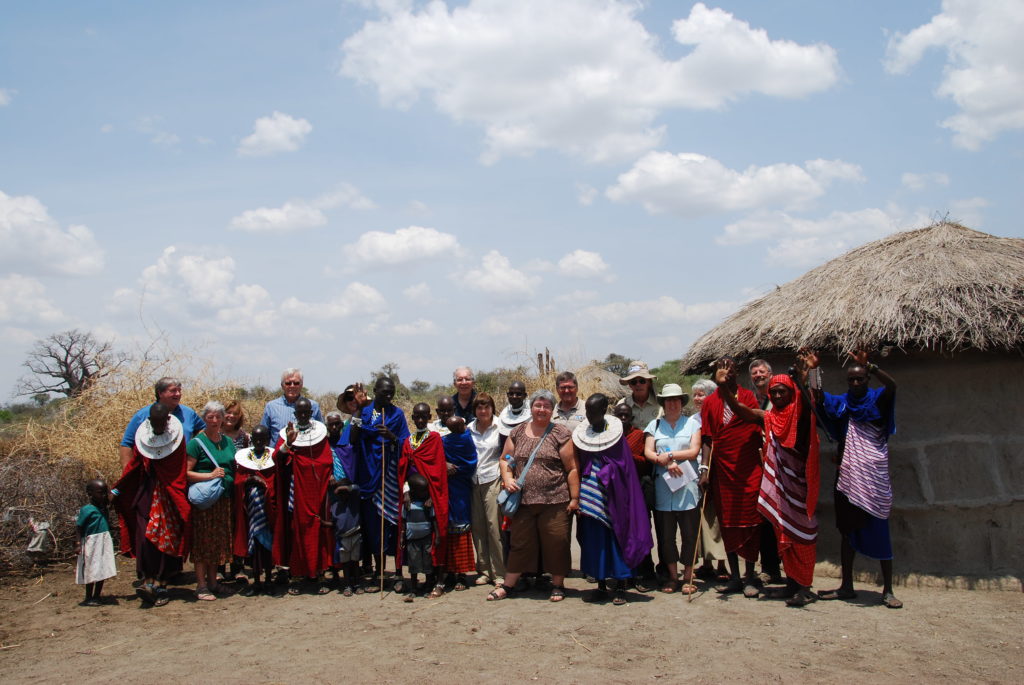
The Maasai Boma is the Maasai village where the head of the family lives with their wives and numerous children and all his cattle. Usually they welcome you with a welcome song and invite you in their traditional dances, we will see the main fence made of thorny acacia branches, fences for animals, their houses and how they cook. You can buy some necklace or souvenir but remember to negotiate a little bit on the price.
Maasai people are usually friendly and playful, you can joke with them, but remember they are proud warriors. Usually you can take pictures, but it is better to ask first. If you bring them a gift, for example, a kilo of sugar, you will be even more welcome.
Group at Maasai Boma
Walking with Maasai
Bush walking with Maasai
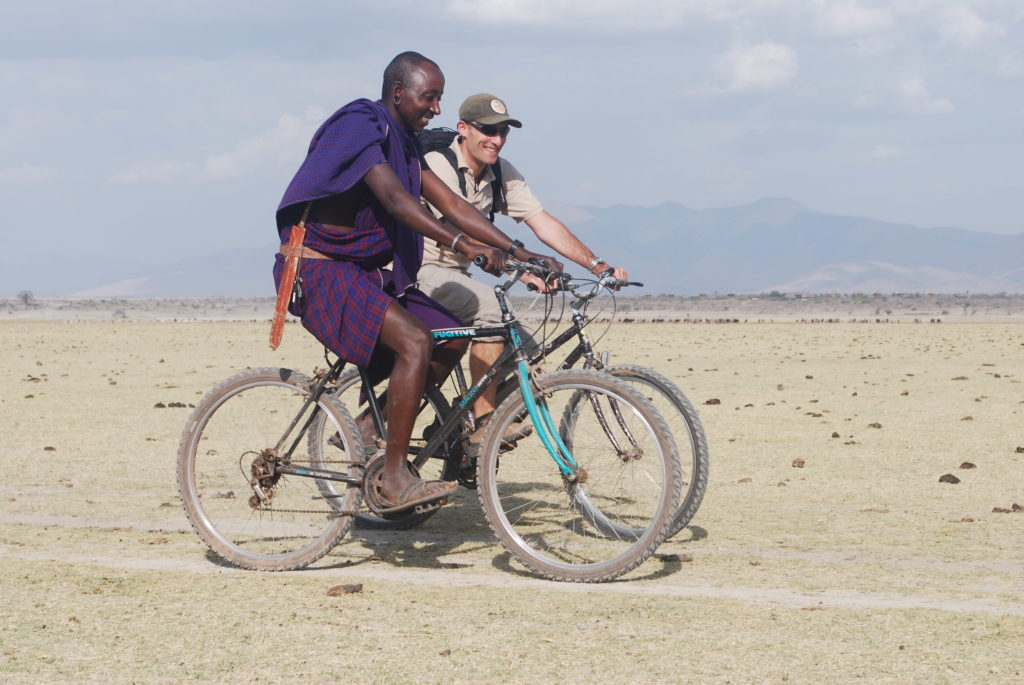
Biking with Maasai guide
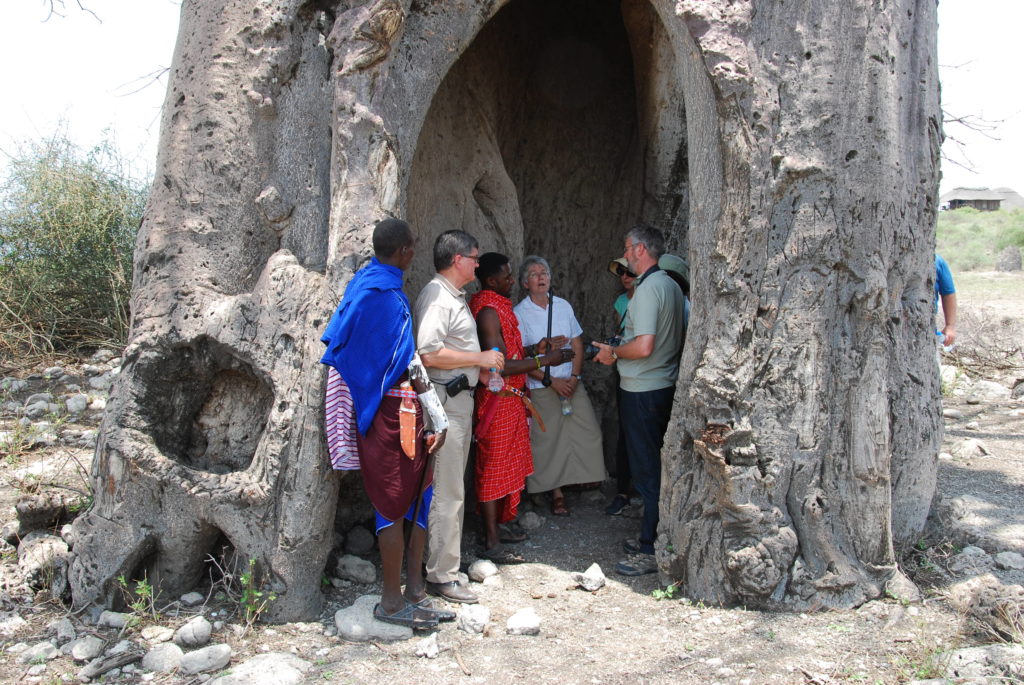
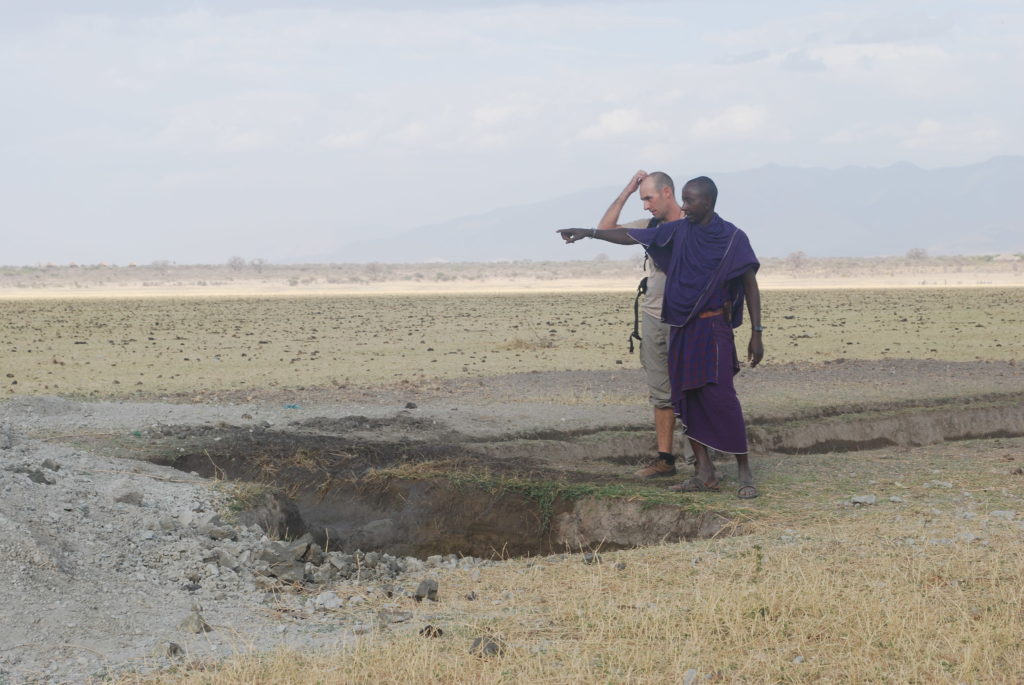
Maasai guide explanations
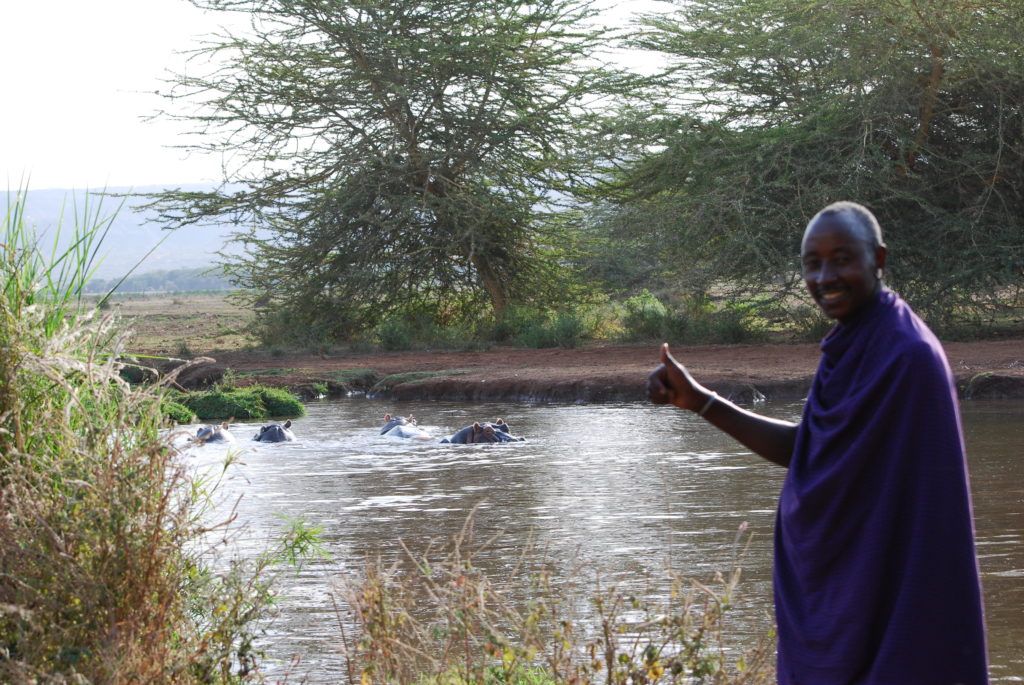
Friendly Maasai guide
The Masai and the Modern World
Even if Maasai are attached to their traditions and lifestyle they are influenced by modern lifestily such as internet, mobile phone, wrist watches and scooters. Expect to see a Maasai who lives in a hut but with mobile phone and modern watch, in some cases even a scooter, nowadays this is part a Maasai warrior life.
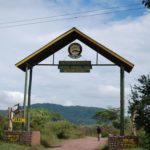
The Arusha National Park is located about 40 min driving from the city and is one of my favorite parks; a different park from others of the northern circuit because it is a mountain park.
Some attractions in Arusha National Park
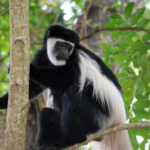
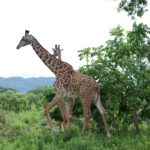
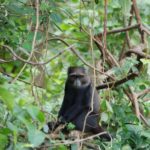
Inside of Arusha National Park we can observe many birds, giraffes and monkeys including whites and blacks colobus which usually are not seen while on safari in this part of Tanzania.
Arusha National Park
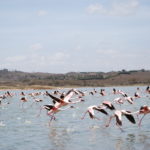
Flamingos in Momela lake
Black and White Colobus
Arusha National Park
Arusha National Park
Gireffes in Arusha National Park
Blue Monkey
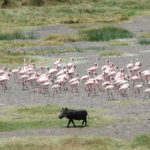
Warthog and flamingos
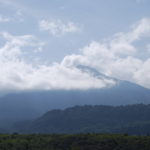
Mount Meru
Ngurdoto Crater
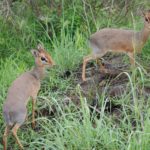
Dik Dik
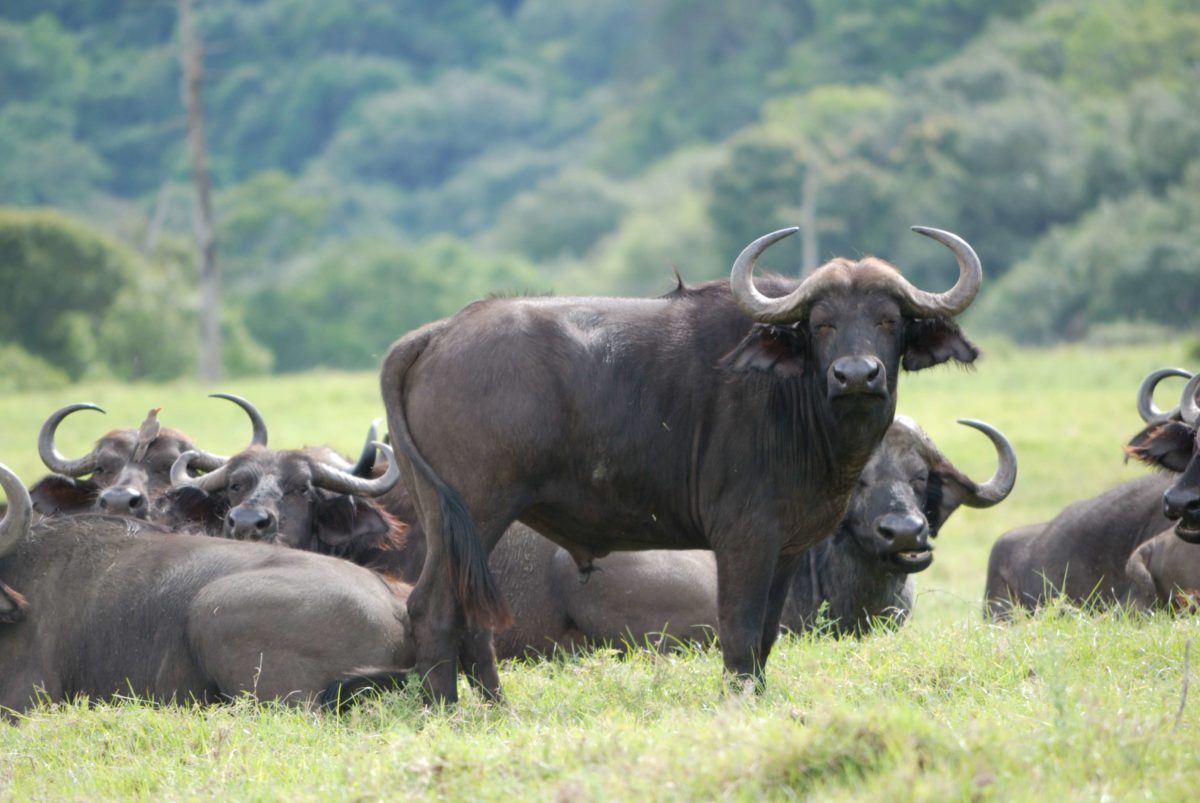
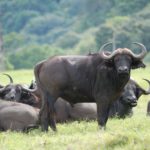
Buffalo
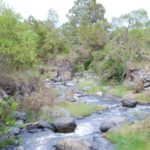
Waterfalls in Arusha National Park
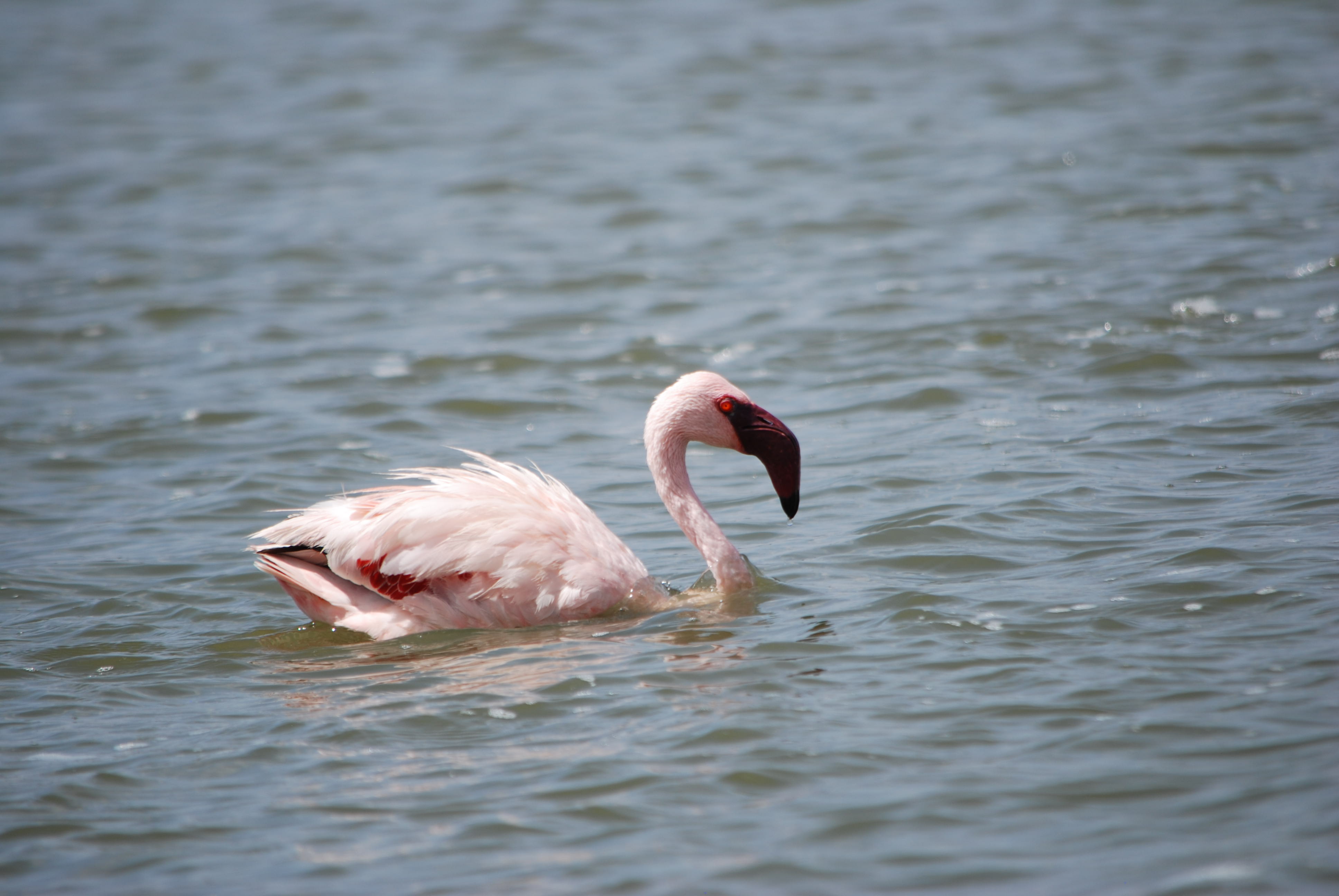
Flamingo in Momela lake
During the safari you can enjoy a peaceful picnic lunch in the middle of the park with a beautiful lake Momela view.
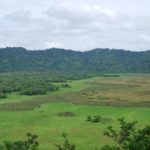
The Ngurdoto Crater
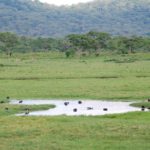
From the view point on the Ngurdoto crater we can see so many blacks dots and then discover to be buffalo, one of the famous Big Five, perhaps the most dangerous because completely unpredictable. The Ngurdoto Crater area is really unspoiled because it is not possible drive in by jeep, there are no roads leading into and through this crater.
The walking Safari with armed park rangers
An experience you can’t miss visiting the park is the walking safari accompanied by park rangers. It is a nature walk and the rangers will show us the animal skulls, the way wild animals mark their territory or build their nests then you walk up to the waterfalls crossing the plain where often you can spot buffalos. During the walking safari with a little luck you may spot other animals such as warthogs, giraffes, baboons and a lot of birds, always keep a safe distance and follow the ranger instructions.
Mount Meru
The walk starts from Momela gate, cross the plain and meet the path to Mount Meru summit walk. Indeed the Arusha park includes Mount Meru (4556 m), the second highest mountain in Tanzania and the fifth highest peak in all of Africa, higher than the famous Mount Kilimanjaro long time ago.
The Pink Flamingos
The other peculiarity of the Arusha National Park are the pink flamingos in Momela lakes that we can spot throughout the year although the best period is September / October when the lake is all pink for the high number of flamingos.
If you want to organize your safari in Tanzania and visit the beautiful Arusha National Park, visit my Savannah Explorers website.
![IMG_1663[1]](https://savannahexplorers.net/blog/wp-content/uploads/2015/09/IMG_16631.jpg)
![Hyenas, jackals and vultures: the scavengers of the Savannah [video]](https://savannahexplorers.net/blog/wp-content/uploads/2015/06/DSC_0002-1200x803.jpg)